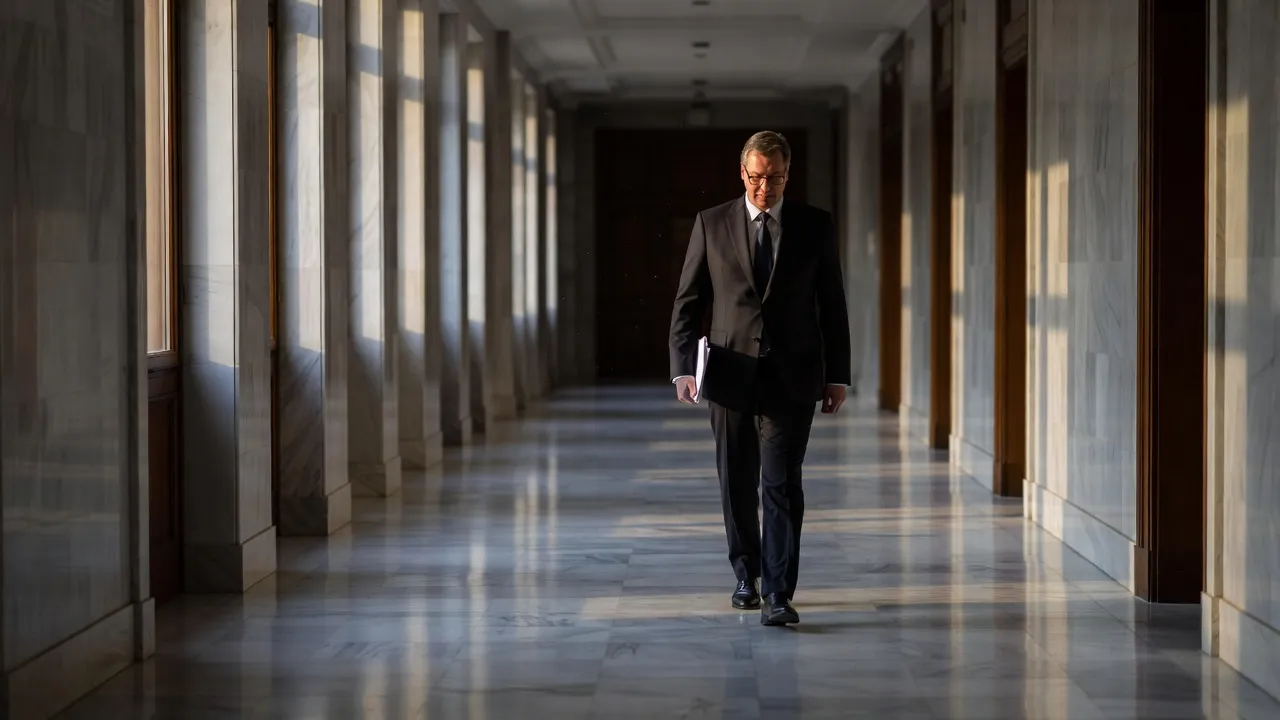
Aleksandar Vučić resigns as Serbia's president to run for prime minister in the snap election of 25 October
published on
countries
sources
articles
the same fact, two accounts
this subject is more divergent than 1% of the subjects analysed
 Serbia
Belgrade is split between two irreconcilable views of Aleksandar Vučić's resignation: for the government, a strategist who is changing seats without giving up the game; for the opposition, a "capitulation" that finally exposes him as an ordinary candidate.
What each one tells
opposition Belgium
Brussels is deciphering the move: a president who is trading in his seat for a more powerful position, on the eve of an anticipated legislative election marked by student protests.
- Serbia
SNS-centered
a lengthy development reiterates the partisan reading of the presidential record as delivered by a ruling party official.
focused on the communication duel
the coverage highlights the verbal exchange between the government and the opposition rather than the institutional questions raised by the resignation.
What the account puts first
Belgiumfocused on the political maneuver
the narrative highlights the outgoing president's strategy for staying in power rather than the content of the electoral program.
Omission of the European dimension
Serbia's candidacy to the Union is mentioned without being developed in the available narrative.
- Serbia
Reliance on partisan statements
the article reproduces extensive excerpts from a party's official statement without contrasting it with another source.
What it leans on
BelgiumReliance on official Serbian statements
the direct quote from the president structures the narrative of the departure.
and the figures
49 people pardoned, including 23 related to the protests (12 members of the "Novi Sad group", 11 people involved in incidents against protesters)
Presidential pardons before resignation
people pardoned
same figure49 people pardoned, including 23 students and sympathizers of his party prosecuted for facts related to the demonstrations
this press does not report this figure
Constitutional deadline for the presidential election
days
only one reports itmaximum deadline of three months