DOMINANT ANGLE
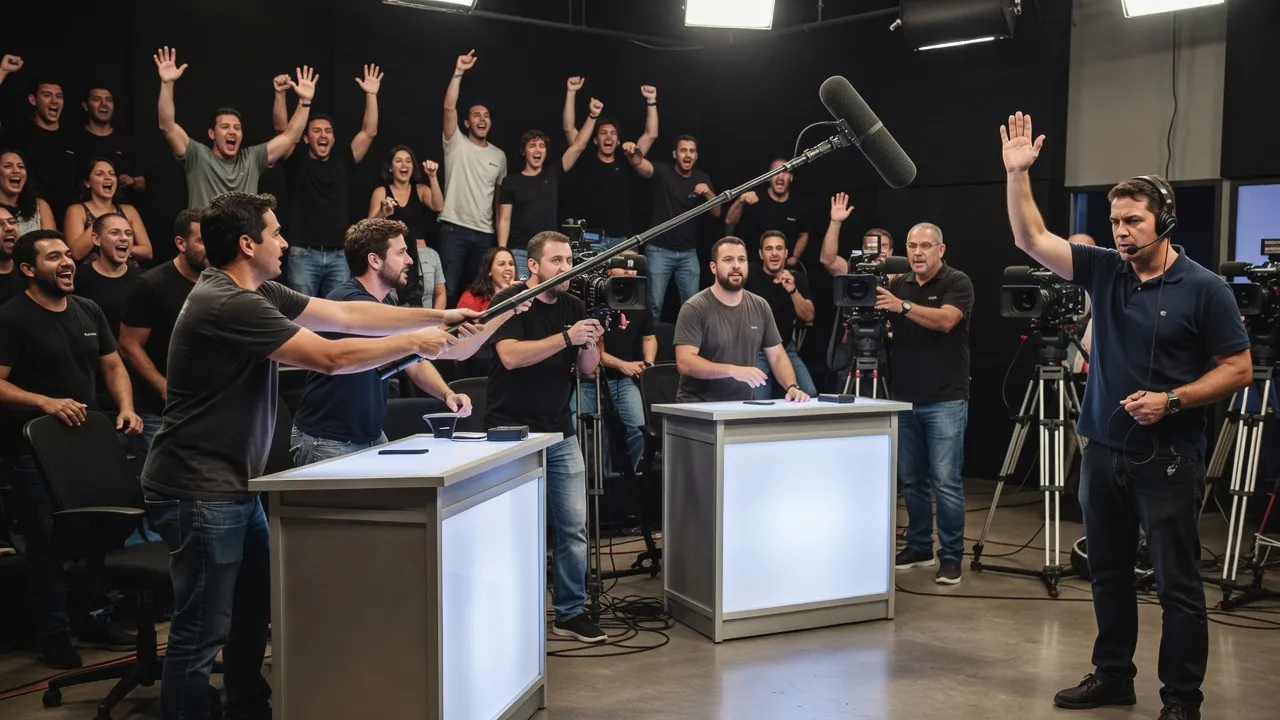
Montevideo is particularly struck by the spectacle of insults: the first Lula–Flávio Bolsonaro debate is presented as an exchange of insults rather than proposals, just a week before a tight runoff.
Dominant angle identified — does not reflect unanimity of this country’s media
KEY POINTS
- 01
Flávio Bolsonaro, 45, outran Lula, 80, in the first round by 47% to 45% (Subrayado, El Observador).
- 02
The TV debate on TV Band in São Paulo is the first, Lula having refused to participate before the first round.
- 03
La Diaria judges that the format produced "a dialogue of the deaf", with interruptions coming from the stands.
ANALYSIS
Montevideo, October 19, 2026. The Uruguayan press first notes the tone of the first televised debate of the Brazilian runoff, held Sunday evening in the studios of TV Band in São Paulo. Subrayado and El Observador, which pick up the same dispatch, open with "more personal grievances than proposals" a week before the October 25 ballot, while the two candidates are tied in the polls.
The headlines list the insults: "payaso", "corrupto", "mentiroso", "miliciano". Lula, who is seeking a fourth non-consecutive term, distanced himself from his rival to mark his "distance from the miliciano", alluding to supposed links between the senator and parapolice groups that control popular neighborhoods in Rio. Flávio Bolsonaro responded that it was better to keep him at a distance because the "wallet can be stolen", then showed his palm where he had written "Corrupto". Lula called him a "contumacious liar, malandro" after a remark about the first lady Janja da Silva, presented as an unnecessary public expense; "Brazil will put you in retirement," Bolsonaro said.
The dispatches recall the context: Flávio Bolsonaro, 45, son of former President Jair Bolsonaro (2019-2022), led in the first round with 47% against Lula's 45%, who is 80 years old. This debate is the first, Lula having refused to participate before the first round. Lula repeatedly demanded explanations about a corruption investigation targeting his opponent, who did not respond; the latter mentioned in return an affair targeting "Lulinha", Lula's son. The articles also recall that Lula was imprisoned for corruption before his conviction was annulled for a procedural flaw.
La Diaria, more brief, emphasizes the format: it produced "a dialogue of the deaf", with interruptions from the companions in the stands. The newspaper opposes Lula, from the Workers' Party, to Flávio Bolsonaro, from the Liberal Party.
The Uruguayan treatment remains that of a Brazilian domestic policy campaign, read through the spectacle of confrontation rather than the program. The articles in the corpus leave little room for economic or security proposals and do not mention Argentina or the rest of the region. The outcome remains open, with surveys describing a "technical tie".
SOURCES (3)
- SubrayadoMEDIUM
- La DiariaMEDIUM
- El ObservadorMEDIUM


