
DOMINANT ANGLE
Brasília is gauging the Albertan election in light of oil wealth and the cost of secession, while also setting it against the backdrop of Washington's commercial pressure on Canada.
Dominant angle identified — does not reflect unanimity of this country’s media
KEY POINTS
- 01
Danielle Smith estimates the transition costs of independence to be around $400 billion Canadian (G1).
- 02
According to Elections Alberta, 1.4 million of the 3.1 million registered voters cast their ballots in advance (Estadão).
- 03
Mark Carney considers the vote to have been held at the "worst possible moment" given the trade war and Trump's annexation threats (Estadão).
ANALYSIS
Brasília, October 20, 2026. The Brazilian press is covering the Alberta vote mainly before the announcement of the results, through two prisms: the price of potential independence and American pressure on Canadian unity.
The G1 (Globo), in an article dated October 19, poses the central question of the debate: "Would Alberta be richer if it were an independent country?" It recalls that the province has "enormous oil and gas reserves", a significant agricultural sector, and a young and qualified workforce. Keith Wilson, a supporter of independence, answers in the affirmative: according to him, separatists believe that the province is being shortchanged by the sharing of oil and gas revenue with Ottawa, which would represent tens of billions of dollars in savings.
The G1 emphasizes that many dispute these calculations. Alberta Premier Danielle Smith, who is opposed to independence, cites around $400 billion Canadian (1,400 billion reais) just for transition costs, not to mention investment and trade losses related to political turbulence. The media also notes that the consultation is not a direct choice between staying and leaving, but it can become one of the most significant events in Canada's recent history and a test for national unity. It cites polls showing around 25% support for secession.
L'Estadão is following the vote count launched on Monday, October 19, to decide whether the oil region will hold a binding independence referendum. It links the vote to the crisis between Canada and the United States: Prime Minister Mark Carney judged the organized vote to be at the "worst possible moment" and called for unity in the face of the trade war and Donald Trump's annexation threats. Polls showed less than a quarter of the population in favor of independence, but separatist leader Mitch Sylvestre, head of the Alberta Prosperity Project, told AFP: "We hope to win".
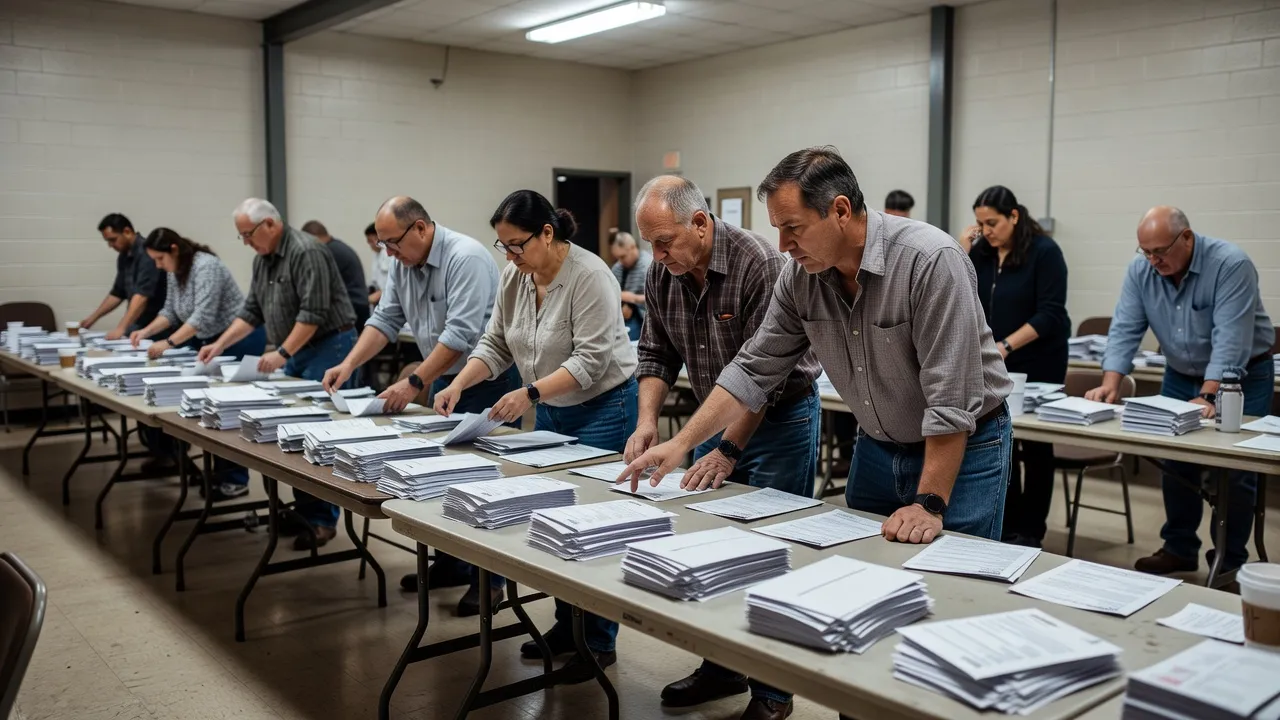
The newspaper provides practical benchmarks: 1.4 million of the 3.1 million registered voters cast their ballots in advance, more than 100 polling stations remained open longer due to late openings, and the results may not have been known until the early hours of Tuesday. Both media outlets are therefore treating the issue as a matter of wealth and cost, rather than as an episode of Canadian domestic politics.


