
DOMINANT ANGLE
Ottawa breathes a sigh of relief: Alberta chose Canada at over 76%, and the press is mainly drawing a question of political responsibility for Danielle Smith.
Dominant angle identified — does not reflect unanimity of this country’s media
KEY POINTS
- 01
According to CBC News, more than 76% of Alberta voters chose to remain in Canada, versus 23% for a second binding referendum.
- 02
According to the National Post, 1,356,873 voters (43.1%) had cast ballots through advance voting or special ballots, compared to 27.5% in 2023.
- 03
Chief Electoral Officer Gordon McClure extended voting hours in polling stations that opened late, delaying unofficial results after 10 p.m.
ANALYSIS
Ottawa, October 20, 2026. The Canadian press first notes the scope of the verdict: according to CBC News, which projected the victory of the stay camp a few minutes after the polls closed, more than 76% of Albertans voted to remain in the country, versus 23% in favor of a second, binding referendum on separation. At the Forever Canadian headquarters in Edmonton, supporters cheered the first results while waving Canadian flags.
The vote, held on Monday, October 19, 2026, covered ten questions: nine on immigration and the Constitution, the tenth, added by Premier Danielle Smith on May 21, on secession. Global News recalls that the consultation was announced on February 19. Turnout was exceptional: according to the National Post, 1,356,873 voters, or 43.1% of those registered, had cast ballots by advance poll or special ballot, compared to 27.5% in 2023, and Elections Alberta anticipated up to 85% participation.
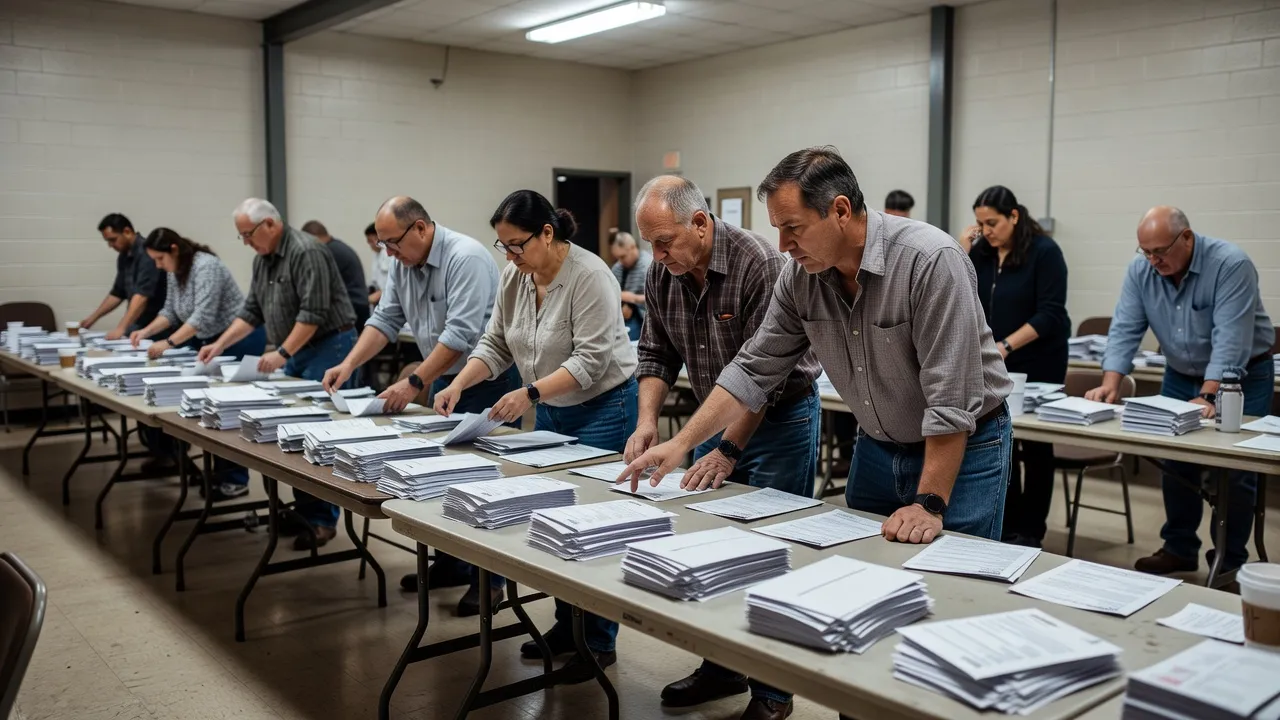
The day was marred by late openings. CBC reports that a polling station in Rocky Ridge, Calgary, opened at 9:55 a.m. and a voter in Edmonton, who arrived at 9:30 a.m., was unable to cast a ballot until the afternoon. Chief Electoral Officer Gordon McClure extended voting hours in affected polling stations, delaying the release of unofficial results after 10 p.m.
On stage, Thomas Lukaszuk said, "Don't mess with Canada," estimating that Alberta would not be the "weak link" in the Confederation. He also called on his supporters to listen to the concerns of the other camp.
In the opinion pages of the National Post, Rob Breakenridge warns that the rejection may be only "the end of the beginning": Pandora's box is open, and Danielle Smith is blamed for attracting separatist elements to the Alberta Conservative party, changing the rules to facilitate the petition, and then putting the question on the ballot after a judicial blockage. The columnist notes, however, that she did not invent separatism and that she defends Alberta's stay in Canada.
The domestic narrative thus focuses on the responsibility of the provincial premier, the mobilization of the federalist camp, and the question of what remains of the separatist movement after this setback.
SOURCES (3)
- National PostMEDIUM
- Global NewsMEDIUM


