
DOMINANT ANGLE
Pretoria is taking away from the diesel surge first its own fiscal plumbing: the overhaul of the Sars reimbursement system, rather than the political shock that is shaking Washington.
Dominant angle identified — does not reflect unanimity of this country’s media
KEY POINTS
- 01
Sars opens registration on Monday, September 21, to a new diesel refund system detached from VAT, with sellers now required to register like users.
- 02
Eight sectors remain eligible for the refund (agriculture, fishing, onshore and offshore mining, port transport, rail freight, electricity production), and subcontractors operating "on a wet basis" now also have access to it.
- 03
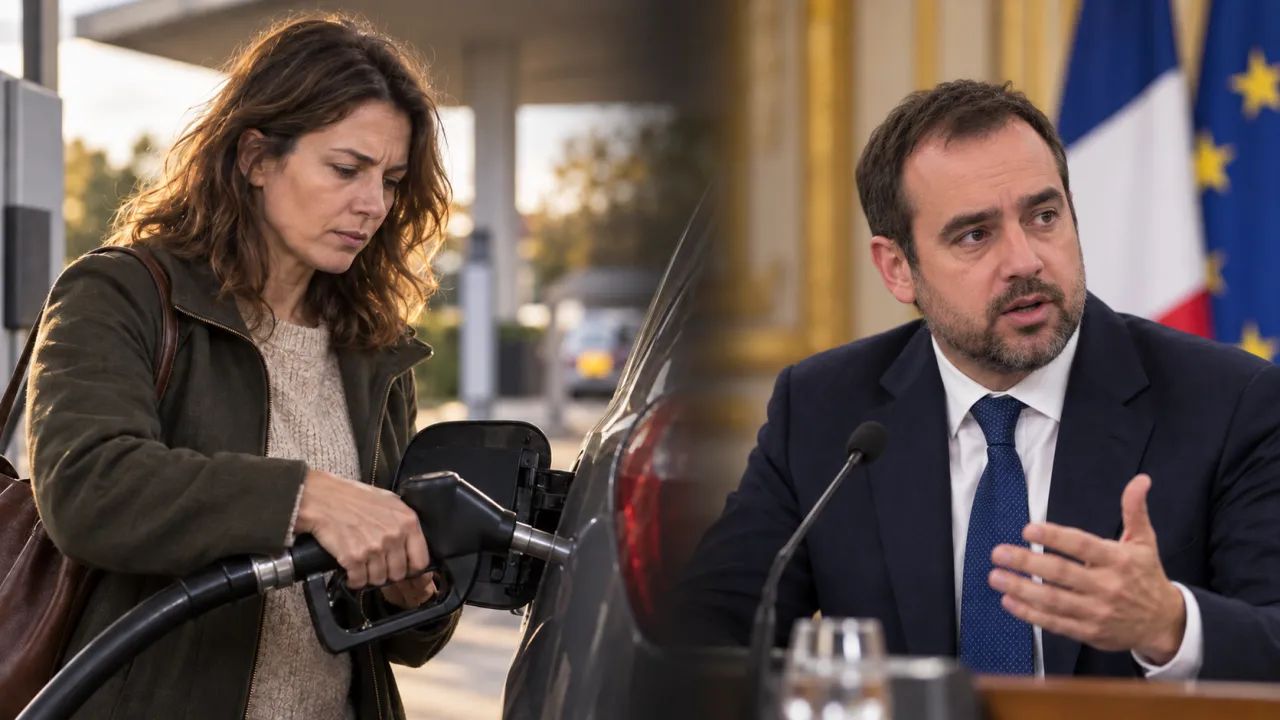
In the United States, polls cited by the South African press show widespread frustration with the rise in diesel prices, Trump judging in North Carolina that it's "a very small price to pay" for the war with Iran, seven weeks before the midterm elections.
ANALYSIS
Pretoria, September 21, 2026. As diesel prices soar in Paris and reach a new threshold in the United States, the South African press first focuses on the tax mechanism that organizes the impact of diesel prices on productive sectors at home. The South African Revenue Service (Sars) opens registration on Monday, September 21, to a diesel refund system now detached from VAT, as part of its excise tax modernization project. New development: both sellers and users will have to register, whereas only users were concerned until now; any claim related to diesel purchased from an unregistered seller will be rejected. According to Amanda Nkwanyana, a partner at law firm Webber Wentzel, quoted by Moneyweb, this autonomous system "should in principle simplify administration and give Sars and taxpayers better visibility over registrations and claims". Eight sectors remain eligible for the refund: agriculture, fishing, terrestrial mining, offshore mining and maritime transport, port transport, rail freight, and electricity production — and subcontractors operating "on a wet basis" on behalf of a third party now also have access to it, whereas they were previously excluded. The retained calendar, outlined on Friday by senior tax officials, provides for a phased deployment over the coming months, the first being the registration of users and sellers. At the other end of the chain, the South African press also relays the American political malaise: in Trump's camp, the surge in diesel prices, a direct consequence of the war with Iran, fuels "widespread frustration" seven weeks before the midterm elections, according to polls cited by TimesLIVE and Business Day. The President himself downplayed the impact in North Carolina, judging that "it's a very small price to pay for what we've done". For Pretoria, the contrast is clear: while Washington manages the political shockwave of a war that weighs on voters, South Africa quietly adjusts the administrative plumbing of its own diesel tax, without any figures on domestic pump prices being mentioned in local coverage.