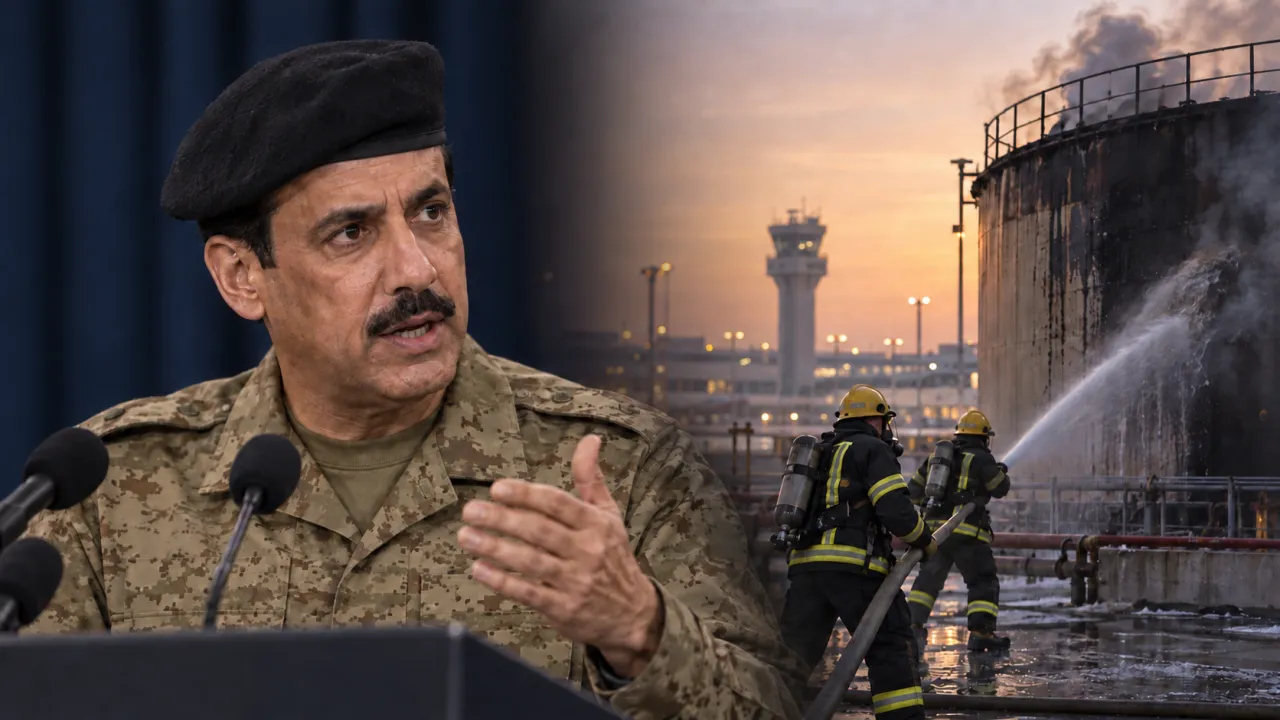
Houthi ballistic missile intercepted over Riyadh, an Aramco fuel depot ablaze near the airport and air traffic badly disrupted
published on
countries
sources
articles
the same fact, two accounts
this subject is more divergent than 91% of the subjects analysed
 Indonesia
Jakarta is assessing the security implications of the Houthi attack on Riyadh, where the interception of a ballistic missile and a fire near the international airport have reignited fears of escalation in the Gulf, a vital region for Indonesian pilgrims and workers.
What each one tells
opposition Australia
Canberra is particularly concerned about the threat to oil routes: the Australian press links the attack on Riyadh and Yanbu to the growing risk for crude oil exports from the Gulf, between the Houthi naval blockade in the Red Sea since July and the already blocked Strait of Hormuz.
- Indonesia
Relies on the coalition's official version
the account of the interception is based on the sole statement by Turki al-Malki, relayed through his message on X, with no Houthi counter-commentary in the article.
Relies on international agencies
the description of the scene near the airport is entirely based on images and findings from Reuters and AFP, with no on-site reporting of its own.
What the account puts first
AustraliaEconomic
the accounts systematically link the attack to the risk for global oil supplies rather than solely to military developments.
Omission of independent confirmation
no article reports official Saudi confirmation of the extent of the damage or the targets hit.
- Indonesia
this perspective does not carry this information
What it leans on
Australia onlyAustraliaReliance on a single dispatch
several editorial offices publish a nearly identical text attributed to Reuters rather than separate reports.
and the figures
this press does not report this figure
Yemenis displaced by the Houthi offensive in September
displaced persons
this press does not report this figure