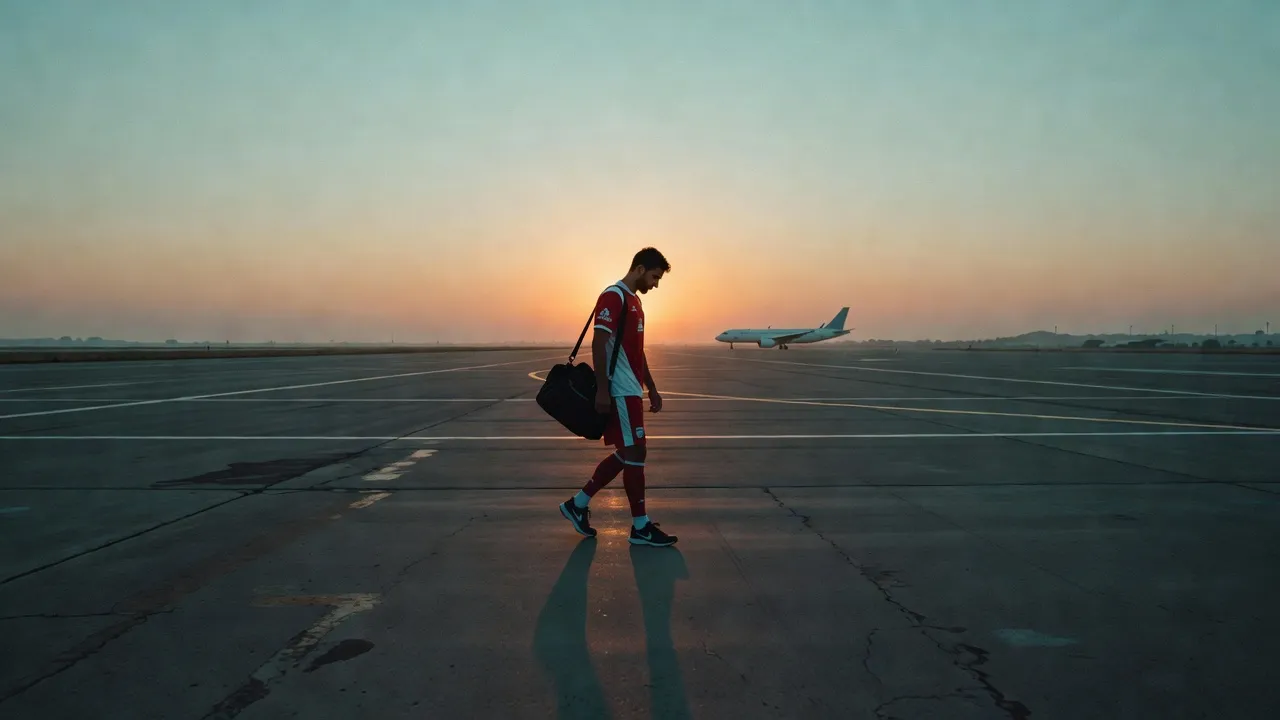
Days before the World Cup kickoff, Iran's national football team obtained its visas for the United States on Friday 5 June, ten days ahead of its opening match against New Zealand on 15 June in Los Angeles. The next day, the Iranian Federation denounced the visa refusal handed to fourteen or fifteen members of its administrative and technical staff, including secretary general Hedayat Mombeini.
The team set up its training base in Tijuana, Mexico, right on the California border. According to Iran's ambassador to Mexico, it is to enter and leave US soil on the same day for each match, a restriction described as unprecedented in the tournament's history. The Iranian Federation has formally referred the matter to FIFA.
The context sheds light on these tensions. Iran had qualified in March 2025, before a conflict broke out between Israel, the United States and Iran in late February 2026. A ceasefire in April cleared the way for participation, but the training base was moved from Arizona to Mexico. In April, Marco Rubio announced that people linked to the Revolutionary Guards would not enter US territory. This is the first World Cup in which the host country welcomes the team of a nation it is at war with.
Readings of the episode differ. On one side, the refusal is framed as the application of a security rule targeting profiles tied to the Revolutionary Guards. On the other, it is denounced as political interference in sport and discriminatory treatment, with a named list of the officials barred from travelling. Also disputed is how much room FIFA had to adjust, or even relocate, the matches and the conditions imposed on the host, a point on which the actors do not agree.