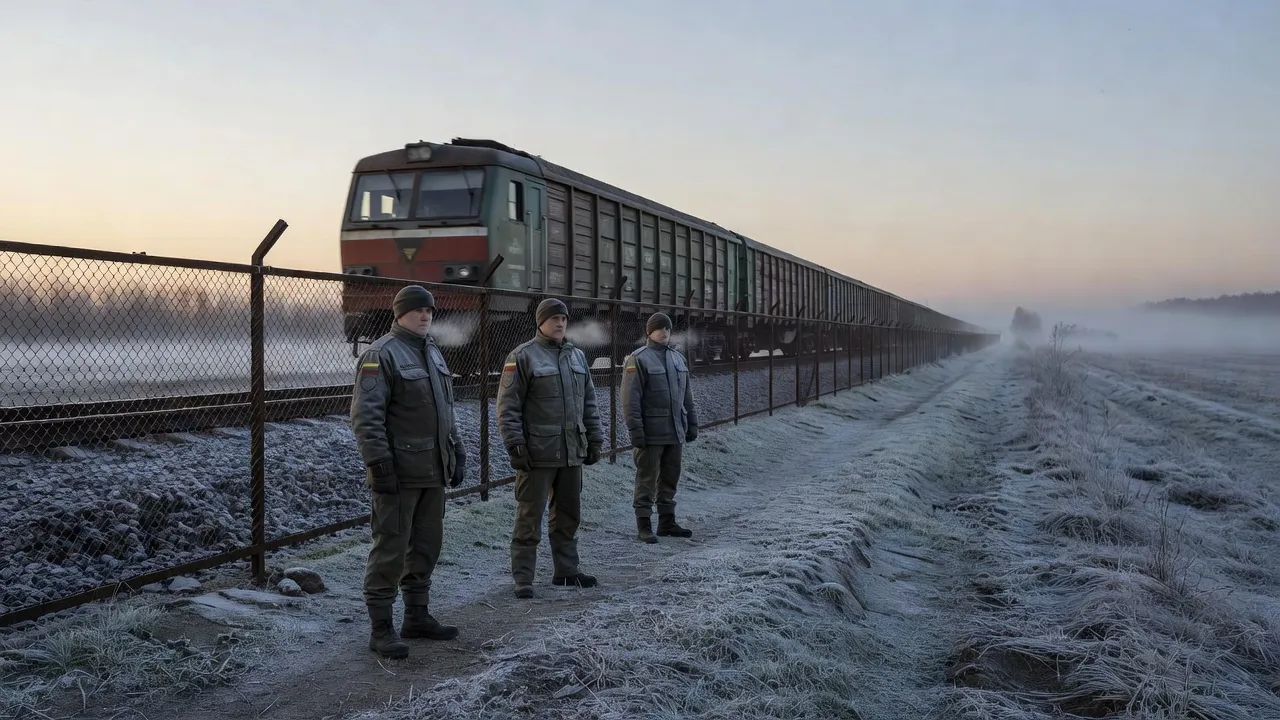
Kaliningrad: Russia threatens NATO with its "entire arsenal" if the exclave is cut off
published on
countries
sources
articles
More divergent than 7% of recent comparable stories (reference: 87 recent stories measured with the same method).
the same fact, two accounts
this subject is more divergent than 7% of recent comparable stories
 United States
The United States decodes the Russian warning about Kaliningrad as a nuclear threat looming over NATO's eastern flank, and views it as part of the series of Moscow's intimidations aimed at Western support for Ukraine.
What each one tells
same framing Brazil
Brasília is deciphering the episode as an unusual diplomatic message: a Russian "non-paper" submitted to NATO and relayed by embassies, where the nuclear threat to Kaliningrad is stated with rare clarity.
- United States
of a point of friction
the narrative highlights the risk of a confrontation between Moscow and the Alliance, more than the content of the Russian accusations.
Relying on a circle of experts
the analysis is based on a representative of a foreign policy network, without a detailed Russian or European voice.
What the account puts first
BrazilDiplomatic
G1 highlights the status of the text as an informal document rather than its military content.
- United States
this perspective does not carry this information
What it leans on
Brazil onlyBrazilReliance on Russian embassies
the narrative repeats Moscow's accusations against NATO without detailing the Alliance's version of its exercises.