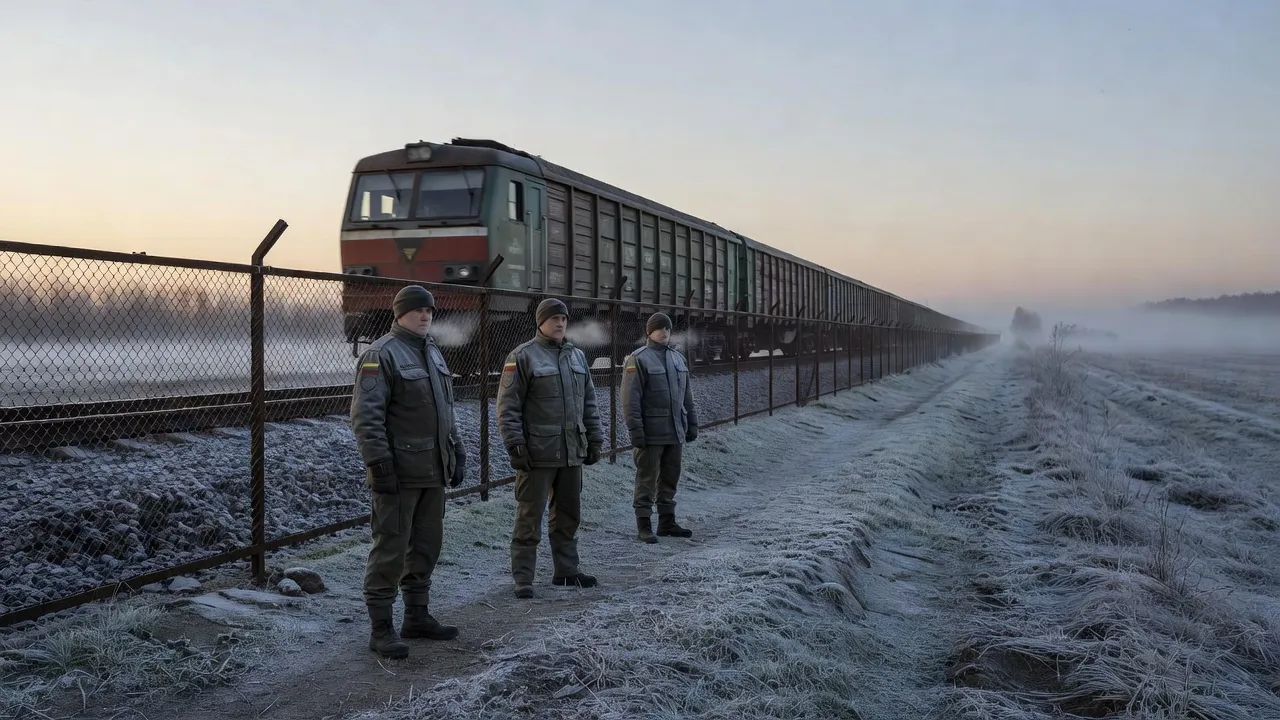
Kaliningrad: Russia threatens NATO with its "entire arsenal" if the exclave is cut off
published on
countries
sources
articles
Beyond the text itself, coverage focuses on what Moscow reproaches the Alliance for, the status of the document, and the scope that each press outlet gives it. The eleven coverage pieces in the corpus report the threat; they differ on its origin and purpose.
NATO confirmed receipt of the written Russian message and responded to it; no measures from either side have been announced at this stage in the sources.
The grievances put forward by Moscow
According to Vedomosti, which cites the Russian Embassy in Ireland, NATO exercises with "anti-Russian" scenarios were held almost without interruption from June to September 2026, in Poland, Latvia, Lithuania, Norway, Finland, and the Baltic Sea. The same newspaper reports that Finland and the Baltic countries are joining the French initiative of "advanced deterrence", which the embassy describes as placing French nuclear weapons "on the threshold" of Russia.
« Russia does not threaten European countries, but no one should have any doubts that it has all the capabilities to prevent any aggression »
Dmitry Peskov explains, according to the Russian press, that the doctrine documents provide for a nuclear response to any attempt at a blockade, and that diplomats are simply reminding people of this. Maria Zakharova, interviewed by Vedomosti, asserts that Russia is not threatening Europeans, but that no one should doubt its ability to prevent aggression.
Embassy publications also mention "information" according to which NATO is preparing an air and naval blockade of Kaliningrad. Al Jazeera presents this statement as Moscow's and cites no corroboration; Meduza notes that the source of this information is not specified.
A text, several versions
The document is circulating in several forms. Reuters says it has consulted a note transmitted to NATO. G1, Dziennik.pl, and Ukrainska Pravda refer to it as a "non-paper", a term G1 defines as an informal document, not an official communication. The embassies in London, Dublin, and Brussels have published texts on social media or handed them over to the TASS agency.
According to the MTI agency cited by the Hungarian site 444, Mark Rutte said he will not publish the exact content of the Russian letter and will only comment on what Moscow has told the press. The details of the text, including the strikes on decision-making centers, come from Reuters and the Financial Times, not from a full publication.
The Folha de S.Paulo mentions a possible trigger: two weeks earlier, Polish Foreign Minister Radosław Sikorski had suggested that NATO conduct exercises near the enclave. The Brazilian newspaper presents this point as context, not as an established cause.
How the Alliance and its neighbors read the message
Mark Rutte downplays the scope of the text. According to 444, he states that Vladimir Putin knows he can never defeat NATO, so he does not take it very seriously, and that the Alliance must still react. According to Gazeta Prawna and Dziennik.pl, he adds that if Russia targeted Finland, a Baltic country, or Poland, the Alliance would concentrate its forces.
« Please, stop worrying so much, we are prepared »
On the purpose of the message, several interpretations are reported. According to Politico, cited by Verslo žinios, an NATO diplomat sees it as "classic Russian propaganda", intended to frighten allied opinions. Kyiv Post frames the note in a nuclear signaling and hybrid pressure, and recalls comments by Deputy Secretary General Radmila Shekerinska in August on the intensification of this rhetoric when Moscow suffers setbacks.
On the side of neighboring countries, Meduza and Interfax, summarized by Russian coverage, report that Latvian President Edgars Rinkevics recalled that no legal obstacle prohibits hosting nuclear weapons in Latvia, and that London proposed on September 29 to extend its nuclear protection to the Baltic countries.
The Baltic region around the warning
Several reports place the incident in a series of events. Al Jazeera reports that Danish authorities say a Russian warship fired two flares near a Danish military helicopter. Iranian media, via Asr Iran, IRNA, and RIA Novosti, relay Moscow's version: the summoning of Danish Ambassador Rolf Holmboe for behavior deemed "unprofessional and provocative" towards the Soobrazitelny frigate.
At the "Future 2050" forum, Deputy Minister Alexandre Grouchko stated that the Baltic was rapidly becoming a potential point of military conflict. He attributes the rise in tensions to NATO exercises. HVG, in Hungary, describes the Gallant Boar exercise, held in June, as focusing on the defense of the Suwałki corridor and having a "reactive and non-offensive" spirit.
On the Nordic side, Iltalehti quotes Aftonbladet: the Swedish air force wants to be able to reach an attacker's bases with a Taurus missile launch from a Gripen tested in August. Colonel Carl Bergqvist assures that the goal is to make the cost of an attack too high, not to conquer territories.
A count provides the scale of coverage, not that of opinion: according to the meta-analysis, ten out of eleven reports in the corpus relay NATO's response. The two Iranian articles, on the other hand, devote only one sentence to it and do not quote any Alliance officials.
The text also mentions Russian strikes against the decision-making centers of member states from the start of a conflict.
The Russian embassy in Ireland cites nearly continuous NATO exercises from June to September 2026, including Gallant Boar 2026.
Spokeswoman Allison Hart confirmed receipt of the message and denounced "any irresponsible nuclear rhetoric".
How each country reads it
11 perspectives, each in the voice of that country's press.
 Bangladesh
Dhaka is relaying the Russian nuclear threat as a European security dispatch: the Bangladeshi press is picking up the Reuters text, highlighting the escalation of words between Moscow and NATO over Kaliningrad and making no comment.
2 sources
 Brazil
Brasília is deciphering the episode as an unusual diplomatic message: a Russian "non-paper" submitted to NATO and relayed by embassies, where the nuclear threat to Kaliningrad is stated with rare clarity.
2 sources
 Finland
Helsinki is taking the warning about Kaliningrad for what it says it is: a nuclear threat targeting Baltic defense, which Ilta-Sanomat and Iltalehti attribute to the increase in Swedish deep strike capabilities.
2 sources
 Hungary
Budapest interprets the Russian warning on Kaliningrad as a nuclear threat targeting the defense of the Baltic region, and gauges its scope in light of NATO's response and the Suwalki exercise.
2 sources
 Iran
IranTehran is relaying Moscow's nuclear warning as a sign of a militarized Baltic, citing NATO's exercises as the primary source of the escalation.
2 sources
 Qatar
QatarDoha is scrutinizing the Russian nuclear warning on Kaliningrad as a risk of escalation on NATO's eastern flank, between Moscow's memorandum and Mark Rutte's firm response.
2 sources
 Russia
Moscow presents the warning on Kaliningrad as a diplomatic reminder addressed to the "hotheads" of Europe: a stated nuclear doctrine, not a desired escalation.
5 sources
 Ukraine
Kyiv interprets the Russian note on Kaliningrad as yet another nuclear signal aimed at undermining Western support for Ukraine, and relays NATO's firm response.
3 sources
 United States
The United States decodes the Russian warning about Kaliningrad as a nuclear threat looming over NATO's eastern flank, and views it as part of the series of Moscow's intimidations aimed at Western support for Ukraine.
2 sources
 Lithuania
Vilnius is gauging the Russian threat to Kaliningrad in light of NATO's response: the Lithuanian press is highlighting the assurances from Mark Rutte and Moscow's mention of nuclear weapons in its note.
2 sources
 Poland
Warsaw is interpreting the Russian threat to Kaliningrad as nuclear blackmail that must be contained through NATO's firmness and continued aid to Ukraine, with the Polish press highlighting the Alliance's responses rather than Moscow's statement.
3 sources
What the comparison reveals
Common ground and differences in coverage across the media analysed.
What the media report in common
The eleven reports state that Moscow informed NATO it would use 'its entire arsenal', including nuclear weapons, if the Alliance attempted to isolate the Kaliningrad enclave.
Ten out of eleven reports relay NATO's response (Mark Rutte or spokesperson Allison Hart): the Alliance claims to be defensive and calls for an end to nuclear rhetoric.
The majority of reports rely on Reuters, or on the press citing it, for the content of the Russian document submitted to NATO.
Where media coverage diverges
Origin of the tension in the Baltic
Question: what explains the rise in tensions around Kaliningrad? Russian and Iranian media point to NATO exercises and an alleged blockade; Ukrainian, Polish, American, and Lithuanian media see a Russian nuclear signal.
Purpose of the Russian message
Question: what is the purpose of the warning? Moscow presents it as a diplomatic reminder to Europe's 'hotheads'; Kyiv, Warsaw, and a diplomat cited by the Lithuanian press see it as pressure on support for Ukraine.
This grouping describes the publications analysed, not the position of these countries’ populations or of their governments.
The full text, country by country
Bangladesh
DOMINANT ANGLE
Dhaka is relaying the Russian nuclear threat as a European security dispatch: the Bangladeshi press is picking up the Reuters text, highlighting the escalation of words between Moscow and NATO over Kaliningrad and making no comment.
KEY POINTS
- According to Reuters, the Russian note states that Russia will use "the entire arsenal of forces and capabilities at its disposal, including nuclear weapons" if NATO attempts to isolate Kaliningrad.
- The document mentions the possibility of "Russian strikes against decision-making centers in the alliance's member states right from the outset".
- Mark Rutte responds: "We are a defensive alliance. And stop the nuclear threats", and NATO assures that none of its activities threaten Russian territory.
ANALYSIS
Dacca, 1 October 2026. The two English-language dailies covering the subject, The Daily Star and The Business Standard (TBS), publish the same text of the Reuters dispatch, titled "Russia sends nuclear warning to NATO as tensions rise in the Baltic". The Daily Star posted it online on 29 September, TBS on 30 September, and The Daily Star also drew a short version, "Russia sends nuke warning to Nato".
The account opens with the document: according to Reuters, Russia warned NATO that it would be ready to use nuclear weapons if the Alliance tried to cut off Kaliningrad, a Russian enclave on the Baltic. In this note, which Reuters says it has consulted, Moscow accuses the Alliance of a "dangerous and reckless course" involving "high risks of the outbreak of a direct armed conflict". The text also mentions the possibility of "Russian strikes against the decision-making centers of the member states of the alliance from the start".
The central phrase is quoted in full: Russia will be ready to use "the entire arsenal of forces and capabilities at its disposal, including nuclear weapons" to defend its territory if NATO countries try to isolate the Kaliningrad region from the rest of the country. The articles describe the territory as heavily militarized, wedged between Poland and Lithuania and slightly larger than Connecticut.
The NATO response occupies the second half. The Daily Star reports Secretary General Mark Rutte: "We are a defensive alliance. And stop the nuclear threats." In its written response, seen by Reuters, the Alliance asserts that none of its exercises or activities threaten the territory of the Russian Federation, and calls on Moscow to end its invasion of Ukraine.
TBS adds a sidebar of highlights: Russian embassies accuse NATO of fueling tensions, NATO denounces "irresponsible nuclear rhetoric", and the Kremlin says the message targets the "hotheads in Europe". None of the articles in the pool contain comments from a Bangladeshi official or local analyst, or an assessment of the consequences for South Asia.
Brazil
DOMINANT ANGLE
Brasília is deciphering the episode as an unusual diplomatic message: a Russian "non-paper" submitted to NATO and relayed by embassies, where the nuclear threat to Kaliningrad is stated with rare clarity.
KEY POINTS
- According to the document obtained by Reuters and cited by G1, Russia would be ready to use "the entire arsenal", including nuclear weapons, if NATO tried to isolate Kaliningrad.
- The Russian embassy in London issued the warning on Tuesday, September 29, and it was repeated by the representations in Dublin and Brussels, according to the Folha.
- Mark Rutte responded that NATO is a defensive alliance and called for an end to nuclear threats (G1).
ANALYSIS
Brasília, October 1, 2026. Brazil's major media outlets are treating the Russian warning as a diplomatic episode of unusual gravity. According to G1, which cites Reuters, Russia warned NATO that it would be prepared to use nuclear weapons if the Alliance attempted to isolate Kaliningrad, a Russian enclave on the Baltic. The document accuses the Alliance of following a "dangerous and imprudent path" that could increase the "risks of direct armed conflict".
G1 quotes the central passage: Russia "will be prepared to use all the arsenal of forces and resources at its disposal, including nuclear weapons" to defend its territory. The text also mentions the possibility of "Russian strikes against decision-making centers in Alliance member countries from the start of the conflict". The site specifies that the text is a "non-paper", a diplomatic term for an informal document, and not an official communication.
The Folha describes the threat as "rare" and explicit. According to the newspaper, Moscow presents it as a reminder to the "hotheads" on the continent of its defense policy. The newspaper looks back at the history: German territory until 1945, the region was attached to the Soviet Union, and then found itself cut off from Russia after the independence of the Baltic States and Belarus in 1991.
The Folha mentions a trigger: two weeks ago, Polish Foreign Minister Radoslaw Sikorski suggested that NATO conduct exercises near the enclave to force Moscow to reinforce its troops there, to the detriment of the Ukrainian front. On Tuesday, September 29, the Russian embassy in London warned that any military action by the UK or NATO against Russian territory would receive a response "with all available means, including nuclear weapons". The representations in Dublin and Brussels repeated the message.
On the Alliance side, the two media outlets report a measured response. According to G1, Secretary-General Mark Rutte stated that NATO is defensive and called for an end to nuclear threats. The Folha adds that the organization only confirmed receiving the text, with its spokesperson Allison Hart indicating that a response had been sent. G1 notes that Russian embassies in at least three European countries have accused the Alliance of exacerbating tensions with exercises and scenarios on Kaliningrad, and that Moscow rejects any threat to Europe.
Finland
DOMINANT ANGLE
Helsinki is taking the warning about Kaliningrad for what it says it is: a nuclear threat targeting Baltic defense, which Ilta-Sanomat and Iltalehti attribute to the increase in Swedish deep strike capabilities.
KEY POINTS
- According to Reuters, as cited by Ilta-Sanomat, Russia has transmitted a document to NATO stating it is ready to use nuclear weapons if NATO attempts to isolate Kaliningrad.
- Peskov described the statements as diplomatic reminders to Europe's "hotheads"; NATO has asked Moscow to stop its irresponsible nuclear rhetoric.
- Iltalehti reports, according to Aftonbladet, that Sweden is preparing deep strike capabilities: a Taurus test from a Gripen in August, and Himars with a range of over 500 km.
ANALYSIS
Helsinki, October 1, 2026. The Finnish press is treating the Russian warning as an explicit nuclear threat. Ilta-Sanomat headlines: "Russia: if NATO isolates Kaliningrad, we can use nuclear weapons." The newspaper reports, according to Reuters, which claims to have seen the document, that Russia has sent a text to the Alliance in which it says it is ready to use nuclear weapons if NATO countries try to isolate the enclave.
The daily details the content. Moscow accuses NATO of a "dangerous and reckless" move that carries "high risks" of direct armed conflict. The text also mentions the possibility of "Russian strikes against the decision-making centers of NATO member states from the start of the conflict." Reuters notes that Russia has repeated in recent days that it has no intention of attacking NATO countries, but promises "the strongest possible response" to any aggression against Kaliningrad.
Ilta-Sanomat recalls the geography: the enclave borders the Baltic between Lithuania and Poland, with no land link to the rest of Russia, and the Suwałki Corridor, less than 100 kilometers long on the Polish-Lithuanian border, separates it from Belarus. Similar statements have been published by the Russian Embassy in Ireland on Wednesday and by that in the United Kingdom on Tuesday.
Reactions are recorded on both sides. Kremlin spokesman Dmitry Peskov presented these statements as diplomatic reminders addressed to the "hotheads of Europe." NATO responded by inviting Moscow to stop its irresponsible nuclear rhetoric.
Iltalehti places the alert in a broader reading of the regional posture. Under a headline announcing that Sweden is preparing to strike deep into Russian territory, the newspaper reprints Aftonbladet: the Swedish Air Force wants to be able to reach the bases of an attacker before missiles and drones reach Sweden or another NATO country. Colonel Carl Bergqvist assures that it is not about conquering territories, but about making the cost of an attack too high. Sweden tested a Taurus missile launch from a Gripen in August and is acquiring Himars rocket launchers with a range of over 500 kilometers. The same article then reiterates the Russian threat to Kaliningrad.
The Finnish coverage therefore places the threat to Kaliningrad and the Swedish reinforcement in the same register, that of deterrence in the Baltic Sea.
Hungary
DOMINANT ANGLE
Budapest interprets the Russian warning on Kaliningrad as a nuclear threat targeting the defense of the Baltic region, and gauges its scope in light of NATO's response and the Suwalki exercise.
KEY POINTS
- According to the Financial Times as reported by 444, Moscow has submitted a document to NATO mentioning the use of nuclear weapons in the event of Kaliningrad's isolation.
- NATO spokesperson Allison Hart condemns "irresponsible nuclear rhetoric" and asserts that the Alliance does not threaten any part of Russia.
- Mark Rutte: "Putin knows he will never defeat NATO, so I don't take this too seriously," while also estimating that NATO must react.
ANALYSIS
Budapest, October 1, 2026. The Hungarian press takes away from the situation a Russian nuclear threat targeting NATO, and above all, the Alliance's response. The 444 website, which relies on the Financial Times, reports that Moscow sent a document to NATO stating that Russia would use nuclear weapons if the Alliance tried to isolate the Kaliningrad enclave, which is sandwiched between Poland and Lithuania. According to anonymous sources cited by the British daily, the text accuses NATO of following a "dangerous and thoughtless" line and mentions a high risk of direct conflict.
Moscow cites the Alliance's maneuvers in the region and the Baltic Sentry mission to claim that NATO is preparing operations against Kaliningrad. According to 444, these moves could lead to Russian strikes against decision-making centers located in member states. NATO spokesperson Allison Hart confirmed the receipt of an unofficial document and the response sent: "We strongly condemn threats of force, including irresponsible nuclear rhetoric."
HVG relays the Russian embassy in Dublin, which published the warning on Facebook, and puts the threat into context: the Gallant Boar exercise, held in June with Polish, Lithuanian, and French troops, rehearsed the defense of the Suwalki corridor. This corridor, near the Polish-Lithuanian-Belarusian border, is considered by many to be the most vulnerable point of NATO. However, HVG believes that nothing indicates a blockade of Kaliningrad: the spirit of the exercise is "reactive and not offensive".
Secretary-General Mark Rutte, quoted via the MTI agency, stated that he will not publish the exact content of the Russian letter and will only comment on what Moscow has said to the press. He called for an end to nuclear threats, "totally unjustified". When asked about the risk of escalation against the Baltic countries, he replied: "Putin knows he can never defeat NATO, so I don't take it very seriously", while also judging that the Alliance must react. He sees this as an attempt to divide the allies and divert their attention from Ukraine, which, in his view, is holding the front line and has improved its military situation.
Iran
DOMINANT ANGLE
Tehran is relaying Moscow's nuclear warning as a sign of a militarized Baltic, citing NATO's exercises as the primary source of the escalation.
KEY POINTS
- According to Mehr citing Reuters, Moscow says it is ready to use all its power, including nuclear weapons, if NATO tries to isolate Kaliningrad.
- Dmitry Peskov described the warnings from Russian embassies as a reminder of official positions to the "tough ones in Europe".
- Moscow summoned the Danish ambassador after an incident involving a Danish helicopter and the frigate Soobrazitelny in the Baltic.
ANALYSIS
Tehran, October 1, 2026. The Mehr agency, citing Reuters, reports that Russia has submitted a document to NATO deeming the Alliance's activities as dangerous and evoking a risk of direct confrontation. According to this text, Moscow would be prepared, if member states attempted to isolate Kaliningrad, to mobilize all its power, including nuclear arms, to defend the enclave. Mehr headlines a "nuclear warning" from Russia to NATO.
The Iranian press relays the Kremlin's reading without discussing it. Dmitri Peskov presented the recent warnings from Russian embassies in several European countries as a simple reminder of Moscow's official positions to the "tough ones in Europe". Kaliningrad is described as a Russian region situated between Poland and Lithuania, on the Baltic. The reaction of NATO, which assures that its activities and exercises do not threaten Russia, occupies only one sentence.
Asr Iran, via the IRNA agency and RIA Novosti, broadens the picture to the Baltic. The Russian Ministry of Foreign Affairs has summoned the Danish ambassador, Rolf Holmboe, to protest against the behavior deemed "unprofessional and provocative" of a Danish air force helicopter towards the Russian Baltic Fleet's frigate Soobrazitelny. Moscow deems the Danish accusations unfounded and warns that the repetition of such acts could aggravate tensions.
The text also recalls the words of Deputy Minister Alexandre Grouchko, at the "Future 2050" forum in Moscow: the Baltic is rapidly becoming a potential point of military conflict, and he says he is not exaggerating the danger. He attributes the rise in tensions to NATO exercises and anti-Russian policies, accusing Westerners of having engaged in confrontation.
Sergei Lavrov is cited for having described Latvia, Lithuania, and Estonia as marionettes devoid of political independence, directed by major European countries hostile to Russia. The two articles rely on Russian sources or agencies relaying Moscow; neither gives a voice to an official from NATO, Poland, or Lithuania, and the dominant reading makes the Alliance the factor of escalation in the Baltic.
Qatar
DOMINANT ANGLE
Doha is scrutinizing the Russian nuclear warning on Kaliningrad as a risk of escalation on NATO's eastern flank, between Moscow's memorandum and Mark Rutte's firm response.
KEY POINTS
- According to a diplomatic document, Russia says it is ready to use its entire arsenal, including nuclear weapons, if NATO isolates Kaliningrad (Al Jazeera).
- Mark Rutte deemed the document unnecessary, called to "stop the nuclear threats" and stated that "Putin knows that he can never win".
- A Western military source cited by Reuters mentions an unannounced operation involving dozens of NATO aircraft around Kaliningrad in mid-August (Gulf Times).
ANALYSIS
Doha, October 1, 2026. Qatari media are treating the Russian warning from the angle of a military escalation on the eastern flank of the Alliance. Al Jazeera reported on September 30 that Russia claims to be ready to use "its entire arsenal", including nuclear weapons, if NATO attempts to isolate the Kaliningrad enclave, according to a diplomatic document transmitted to member states.
The memorandum, sent on Wednesday, September 30, states that Moscow has "information that NATO is preparing an air and naval blockade of Kaliningrad". Al Jazeera presents this accusation as a claim by Moscow and does not cite any corroboration.
The Alliance's response is detailed: Secretary General Mark Rutte recalled that NATO is a defensive alliance, deemed the document unnecessary, and asked Russia to "stop nuclear threats". He downplayed the scope of the warning by stating that "Putin knows he can never win" in a direct confrontation with the Alliance.
The channel places the episode more than four and a half years after the start of the large-scale invasion of Ukraine. Poland has strengthened its air defense after alleged incursions into its airspace, and Danish authorities say a Russian warship fired two flares near a Danish military helicopter over the Baltic, two weeks ago.
The Gulf Times, in an editorial entitled "A potential flashpoint with NATO", details the geography: an enclave of around one million inhabitants, slightly larger than Connecticut, former Königsberg ceded to the USSR in 1945, wedged between Poland and Lithuania. It serves as a platform for air defense, missiles, and naval forces, but remains a vulnerable pressure point, with supply lines difficult to maintain in the event of war.
The text recalls the accession of Finland (2023) and Sweden (2024) and cites a Western military source mentioning, in mid-August, an unannounced operation by dozens of NATO aircraft, capable of cutting the enclave's radio and radar links. It notes that Russia perceives a growing Western threat.
Russia
DOMINANT ANGLE
Moscow presents the warning on Kaliningrad as a diplomatic reminder addressed to the "hotheads" of Europe: a stated nuclear doctrine, not a desired escalation.
KEY POINTS
- According to the note cited by Reuters and relayed by Moscow Times, it will be ready to use "the entire arsenal of forces and means, including nuclear weapons" if NATO attempts to isolate Kaliningrad.
- Vedomosti reports that the embassy cites "almost continuous" NATO exercises from June to September 2026, including Gallant Boar 2026, as targeting Kaliningrad.
- TASS reports that Mark Rutte confirmed receipt of the warning in Brussels, repeating that NATO is a defensive alliance.
ANALYSIS
Moscow, October 1, 2026. Russian media are treating the Kaliningrad affair as a diplomatic communication in chain. On September 29, the Russian Embassy in Ireland posted on social media that Moscow will be ready to use "its entire arsenal, including nuclear weapons" if NATO countries attempt to isolate the region from the rest of the country. According to Vedomosti, the text mentions a "possibility of preventive strikes against the decision-making centers" of NATO states from the start of a conflict. An equivalent note, which Reuters has seen, was sent to NATO by the Russian Embassy in Brussels, which also informed the Belgian Ministry of Foreign Affairs and denounces a "dangerous and reckless course".
Russian press details Moscow's grievances. Vedomosti quotes the embassy: from June to September 2026, NATO exercises with "anti-Russian" scenarios were held almost without interruption in Poland, Latvia, Lithuania, Norway, Finland, and the Baltic Sea. The Franco-Polish-Lithuanian maneuvers Gallant Boar 2026 specifically targeted Kaliningrad. Finland and the Baltic countries are also joining, according to the same source, the French initiative of "advanced deterrence", which provides for French nuclear weapons "on the threshold" of Russia.
The Kremlin assumes the basis. Dmitry Peskov explains that Russian doctrine documents provide for a nuclear response to any attempt at blockade and that diplomats are simply reminding the "hotheads" of Europe. Maria Zakharova, interviewed by Vedomosti, asserts that Russia "does not threaten" Europeans but that no one should doubt its ability to prevent aggression. She accuses certain officials of dreaming of a "military defeat" of Russia and a strike on Kaliningrad's infrastructure, and hopes that these warnings will be "heard by those to whom they are intended".
Western reactions are reported without comment. TASS quotes Mark Rutte, who confirms having received the warning, repeats that NATO is a defensive alliance and does not believe in a Russian threat. Interfax adds that he considers the current nuclear risk to be nil and that there is no "immediate threat". NATO spokesperson Allison Hart has described the message as "irresponsible nuclear rhetoric". Meduza and Interfax also note that Latvian President Edgars Rinkevics has recalled that there is no legal obstacle to hosting nuclear weapons in Latvia and that London proposed on September 29 to extend its nuclear protection to the Baltic countries.
Ukraine
DOMINANT ANGLE
Kyiv interprets the Russian note on Kaliningrad as yet another nuclear signal aimed at undermining Western support for Ukraine, and relays NATO's firm response.
KEY POINTS
- According to Reuters, the Russian note handed to NATO promises "the entire arsenal of forces and means", including nuclear weapons, if Kaliningrad were to be isolated.
- NATO spokesperson Allison Hart confirmed receipt of the "non-paper" and the sending of a response denouncing any irresponsible nuclear rhetoric.
- Kyiv Post recalls that the accession of Finland and Sweden has given NATO members control of most of the Baltic coastline.
ANALYSIS
Kyiv, Wednesday, September 30, 2026. Ukrainian media outlets are reporting that Moscow has submitted a diplomatic document to NATO in Brussels, stating that Russia is prepared to use "all available forces and means, including nuclear weapons" if Alliance countries attempt to isolate the Kaliningrad region from the rest of the country.
The text accuses NATO of a "dangerous and irresponsible course" with "high risks" of direct armed conflict, and mentions Russian strikes against the decision-making centers of member states "from the start". TSN views this as the most direct threats since the Cold War and notes that Moscow is once again linking nuclear use to the situation surrounding Ukraine.
NATO's response is prominent. Spokeswoman Allison Hart confirms the receipt of a Russian "non-paper" and a response: the Alliance is defensive, and no activity or exercise threatens Russia. She denounces "the threat of force, including any irresponsible nuclear rhetoric". Ukrainska Pravda also quotes her statement: the use of hybrid tactics is "a sign of desperation", and the Alliance has the means to defend "every inch" of allied territory.
Kyiv Post offers an analytical reading: the note extends Russia's effort to use nuclear signals and hybrid pressure to mask a strategic vulnerability. The enclave, located between Poland and Lithuania, is heavily militarized but difficult to supply in the event of a confrontation; the accession of Finland and Sweden has given NATO members control over most of the Baltic coastline. Deputy Secretary-General Radmila Shekerinska noted in August that Russian nuclear rhetoric intensifies when Moscow suffers setbacks or pressure on its infrastructure, in order to weaken Ukraine's resolve and Western support for Kyiv.
Neighboring countries are cited: Lithuania speaks of psychological pressure, and Polish Foreign Minister Radosław Sikorski believes that NATO should increase exercises near Kaliningrad. The EU is preparing an emergency security protocol and a strategy designating Russia as the main threat. In this reading, the threat to Kaliningrad is primarily aimed at influencing aid to Ukraine.
United States
DOMINANT ANGLE
The United States decodes the Russian warning about Kaliningrad as a nuclear threat looming over NATO's eastern flank, and views it as part of the series of Moscow's intimidations aimed at Western support for Ukraine.
KEY POINTS
- According to Reuters as cited by Fox News, Moscow warned NATO in a diplomatic document that it would use "the entire arsenal of forces and capabilities at its disposal, including nuclear weapons" if Kaliningrad were isolated.
- NATO spokesperson Allison Hart confirmed on Wednesday the receipt of the written Russian message, denounced "any irresponsible nuclear rhetoric" and stated that the Alliance is defensive.
- Russian embassies in the UK, Ireland, and Belgium claimed that NATO was preparing an air and naval blockade of Kaliningrad, which the Alliance denies.
ANALYSIS
Washington, October 1, 2026. For the American press, the Russian message on Kaliningrad is primarily a matter of nuclear deterrence. Fox News writes that Moscow's warning "raises new concerns": the highly militarized enclave could become a point of confrontation between Russia and the Alliance. According to Reuters, cited by the channel, Moscow warned NATO in a diplomatic document that it was ready to use "the entire arsenal of forces and capabilities at its disposal, including nuclear weapons" if Alliance members tried to isolate Kaliningrad from the rest of Russia. Reuters reported this on Wednesday, September 30.
The same document would also mention, according to Fox, the possibility of strikes against "decision-making centers" in member countries from the start of a conflict. The enclave, the channel notes, is located on the Baltic between Poland and Lithuania, two US allies. It hosts elements of the Russian Baltic Fleet.
ABC News, via a news agency dispatch dated Brussels, puts the warning into a diplomatic sequence. Several Russian embassies in Europe stated this week that they had "information" that NATO was preparing an air and naval blockade of Kaliningrad. The embassies in the UK and Ireland published their text on Telegram, while the Belgian embassy handed it over to the Tass agency. The Irish embassy, in its statement on Tuesday, September 29, wrote: "Do not be mistaken, Russia would be ready to use its entire arsenal, including nuclear weapons." These texts accuse European leaders of "playing a dangerous game" by mentioning a Russian attack or a campaign of sabotage and drones. Moscow considers these accusations absurd.
The Alliance's response occupies a central place in both texts. Spokeswoman Allison Hart confirmed on Wednesday that she had received a written Russian message. "We strongly condemn the threat of force, including any irresponsible nuclear rhetoric," she said. She asserts that NATO is not targeting Kaliningrad, that it has sent a response, and that none of its activities or exercises threaten any part of Russia.
Fox adds the opinion of an expert: Carrie Filipetti, from the Vandenberg Coalition, recalls that Moscow regularly resorts to nuclear threats in an attempt to dissuade the West from helping Ukraine. She mentions the allusions to tactical strikes at the start of the invasion. The channel also cites experts who say that Kaliningrad is already being used to pressure Europe through hybrid means.
Lithuania
DOMINANT ANGLE
Vilnius is gauging the Russian threat to Kaliningrad in light of NATO's response: the Lithuanian press is highlighting the assurances from Mark Rutte and Moscow's mention of nuclear weapons in its note.
KEY POINTS
- The Russian embassy in Belgium claims Russia is ready to use "its entire arsenal" if NATO attempts to isolate Kaliningrad; the diplomatic note cited by 15min mentions nuclear weapons.
- Mark Rutte states that the assessment of the Russian threat has not changed and asks to "stop worrying so much", while guaranteeing the protection of the Baltic countries.
- An NATO diplomat cited by Politico believes Moscow wants to intimidate allied public opinion so that it stops supporting Ukraine.
ANALYSIS
Vilnius, October 1, 2026. In the Lithuanian press, the Russian warning about Kaliningrad is first treated as a message addressed to the Alliance, then as a test of coolness for the Baltic allies. 15min reports that the Russian embassy in Belgium published a statement on Monday stating that Russia "is ready to use its entire arsenal of weapons to defend its territory, if NATO countries try to isolate the Kaliningrad region from the rest of our country". The text judges the statements and actions of NATO towards the enclave, located between Poland and Lithuania, as "provocative" and speaks of "inconsiderate and irresponsible" behavior that increases the risk of a direct armed conflict.
15min specifies, based on the diplomatic note, that the formula explicitly includes "nuclear weapons" and that the letter mentions possible Russian strikes on "decision-making centers" in NATO countries. According to Reuters, cited by the same media, Russian embassies in at least three European countries have published similar statements in three days, and Dmitry Peskov has spoken of "diplomatic reminders" to the "hotheads of Europe". A senior European official quoted by the portal considers the warning "serious", seeing it as Moscow's first direct nuclear threat in this context.
The Western response occupies the bulk of the coverage. NATO spokesperson Allison Hart indicates that the Alliance has sent a response recalling that it is "defensive" and that "none of its activities or exercises threaten any part of Russia", while condemning "the threat of using force". Mark Rutte asserts that the assessment of the Russian threat is the same as it was three weeks, three months, or a year ago, and that NATO has reacted "calmly enough".
In Brussels, the Secretary General tells the worried: "Please, stop worrying so much, we are prepared", and guarantees complete protection to the Baltic countries, Finland, and Poland. He adds that NATO is "much stronger than Russia" and could not be beaten. Verslo žinios, citing Politico, reports that an NATO diplomat sees this as "classic Russian propaganda" aimed at frightening allied public opinion into stopping support for Ukraine and making the Alliance responsible for an escalation.
The Lithuanian viewpoint thus remains that of a direct neighbor of the enclave, but the tone of the articles is more reassuring than alarmist: the note is read as pressure on support for Kiev, and NATO's calm firmness as the right response. The articles do not quote Lithuanian political officials or national debate on transit or defense spending.
Poland
DOMINANT ANGLE
Warsaw is interpreting the Russian threat to Kaliningrad as nuclear blackmail that must be contained through NATO's firmness and continued aid to Ukraine, with the Polish press highlighting the Alliance's responses rather than Moscow's statement.
KEY POINTS
- The Russian document states that "Rosja jest gotowa użyć całego swojego arsenału" if NATO attempts to isolate Kaliningrad (Dziennik.pl)
- According to Reuters via RMF24, the text mentions nuclear weapons and potential strikes on decision-making centers of Alliance countries from the start of a conflict
- Mark Rutte, on Wednesday, September 30, considers the nuclear threat against the Baltic States unrealistic and quotes Radosław Sikorski on aid to Ukraine (Gazeta Prawna)
ANALYSIS
Warsaw, October 1, 2026. Polish media are treating the Russian warning as nuclear blackmail aimed at the Alliance, and are receiving it all the more directly since the Kaliningrad Oblast borders Poland and Lithuania. Dziennik.pl reports that the text was published on X by the Russian embassy in Brussels: "Rosja jest gotowa użyć całego swojego arsenału," Moscow writes, if NATO states attempt to isolate the region from the rest of the country. The daily recalls that this territory, which was German before World War II, was taken over by the Soviet Union in 1945.
RMF24, which headlines with "nuclear blackmail," relies on Reuters to detail the document, classified as a "non-paper": Moscow accuses the Alliance of a "kurs niebezpieczny i lekkomyślny" and mentions possible Russian strikes on decision-making centers from the start of a conflict. The text explicitly cites nuclear weapons. Kremlin spokesman Dmitri Peskov considers it "całkowicie naturalne" that diplomats remind the "gorących głowach" of Europe of Russian political documents. According to RMF24, Russian embassies in at least three European countries have, in three days, accused NATO of escalation through exercises and scenarios targeting Kaliningrad, while ensuring that Moscow has no intention of attacking.
The Alliance's response occupies most of the coverage. According to Dziennik.pl, citing AFP, spokeswoman Allison Hart "condemns firmly the threats of using force, including any irresponsible nuclear rhetoric," confirms receipt of the document, and indicates that a response has been sent. She adds that resorting to hybrid tactics is a sign of desperation that will not prevent support for Ukraine.
On Wednesday, September 30, in Brussels, Mark Rutte ruled out the scenario of using nuclear weapons against the Baltic states, according to Gazeta Prawna and Dziennik.pl. If Russia were to target Finland, a Baltic country, or Poland, "zaobserwujemy koncentrację sił," he said; Vladimir Putin knows he cannot defeat NATO. The Secretary General attributes these pressures to Moscow's difficult situation in Ukraine: "On chce nas podzielić." He cited Polish Foreign Minister Radosław Sikorski, who believes that any hybrid threat against Poland calls for more aid to Kiev, and judged this reaction "właściwa."
The Polish press thus links the threat to the enclave to the war in Ukraine and the unity of the eastern flank, without going into detail about the issue of transit to Kaliningrad.
Explore every perspective on this subject across 11 countries.
Compare viewpoints and see where they diverge.