
DOMINANT ANGLE
Vilnius is gauging the Russian threat to Kaliningrad in light of NATO's response: the Lithuanian press is highlighting the assurances from Mark Rutte and Moscow's mention of nuclear weapons in its note.
Dominant angle identified — does not reflect unanimity of this country’s media
KEY POINTS
- 01
The Russian embassy in Belgium claims Russia is ready to use "its entire arsenal" if NATO attempts to isolate Kaliningrad; the diplomatic note cited by 15min mentions nuclear weapons.
- 02
Mark Rutte states that the assessment of the Russian threat has not changed and asks to "stop worrying so much", while guaranteeing the protection of the Baltic countries.
- 03
An NATO diplomat cited by Politico believes Moscow wants to intimidate allied public opinion so that it stops supporting Ukraine.
ANALYSIS
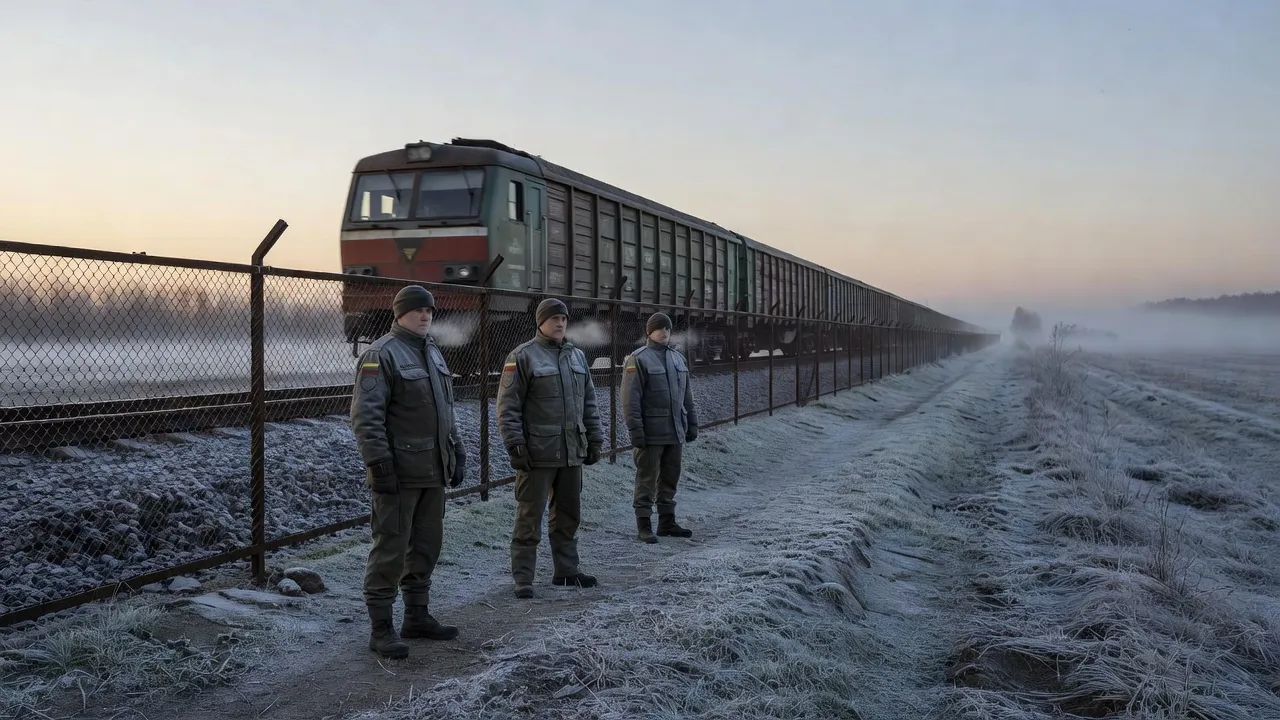
Vilnius, October 1, 2026. In the Lithuanian press, the Russian warning about Kaliningrad is first treated as a message addressed to the Alliance, then as a test of coolness for the Baltic allies. 15min reports that the Russian embassy in Belgium published a statement on Monday stating that Russia "is ready to use its entire arsenal of weapons to defend its territory, if NATO countries try to isolate the Kaliningrad region from the rest of our country". The text judges the statements and actions of NATO towards the enclave, located between Poland and Lithuania, as "provocative" and speaks of "inconsiderate and irresponsible" behavior that increases the risk of a direct armed conflict.
15min specifies, based on the diplomatic note, that the formula explicitly includes "nuclear weapons" and that the letter mentions possible Russian strikes on "decision-making centers" in NATO countries. According to Reuters, cited by the same media, Russian embassies in at least three European countries have published similar statements in three days, and Dmitry Peskov has spoken of "diplomatic reminders" to the "hotheads of Europe". A senior European official quoted by the portal considers the warning "serious", seeing it as Moscow's first direct nuclear threat in this context.
The Western response occupies the bulk of the coverage. NATO spokesperson Allison Hart indicates that the Alliance has sent a response recalling that it is "defensive" and that "none of its activities or exercises threaten any part of Russia", while condemning "the threat of using force". Mark Rutte asserts that the assessment of the Russian threat is the same as it was three weeks, three months, or a year ago, and that NATO has reacted "calmly enough".
In Brussels, the Secretary General tells the worried: "Please, stop worrying so much, we are prepared", and guarantees complete protection to the Baltic countries, Finland, and Poland. He adds that NATO is "much stronger than Russia" and could not be beaten. Verslo žinios, citing Politico, reports that an NATO diplomat sees this as "classic Russian propaganda" aimed at frightening allied public opinion into stopping support for Ukraine and making the Alliance responsible for an escalation.
The Lithuanian viewpoint thus remains that of a direct neighbor of the enclave, but the tone of the articles is more reassuring than alarmist: the note is read as pressure on support for Kiev, and NATO's calm firmness as the right response. The articles do not quote Lithuanian political officials or national debate on transit or defense spending.
SOURCES (2)
- 15minMEDIUM
- Verslo ziniosMEDIUM