
DOMINANT ANGLE
The United States decodes the Russian warning about Kaliningrad as a nuclear threat looming over NATO's eastern flank, and views it as part of the series of Moscow's intimidations aimed at Western support for Ukraine.
Dominant angle identified — does not reflect unanimity of this country’s media
KEY POINTS
- 01
According to Reuters as cited by Fox News, Moscow warned NATO in a diplomatic document that it would use "the entire arsenal of forces and capabilities at its disposal, including nuclear weapons" if Kaliningrad were isolated.
- 02
NATO spokesperson Allison Hart confirmed on Wednesday the receipt of the written Russian message, denounced "any irresponsible nuclear rhetoric" and stated that the Alliance is defensive.
- 03
Russian embassies in the UK, Ireland, and Belgium claimed that NATO was preparing an air and naval blockade of Kaliningrad, which the Alliance denies.
ANALYSIS
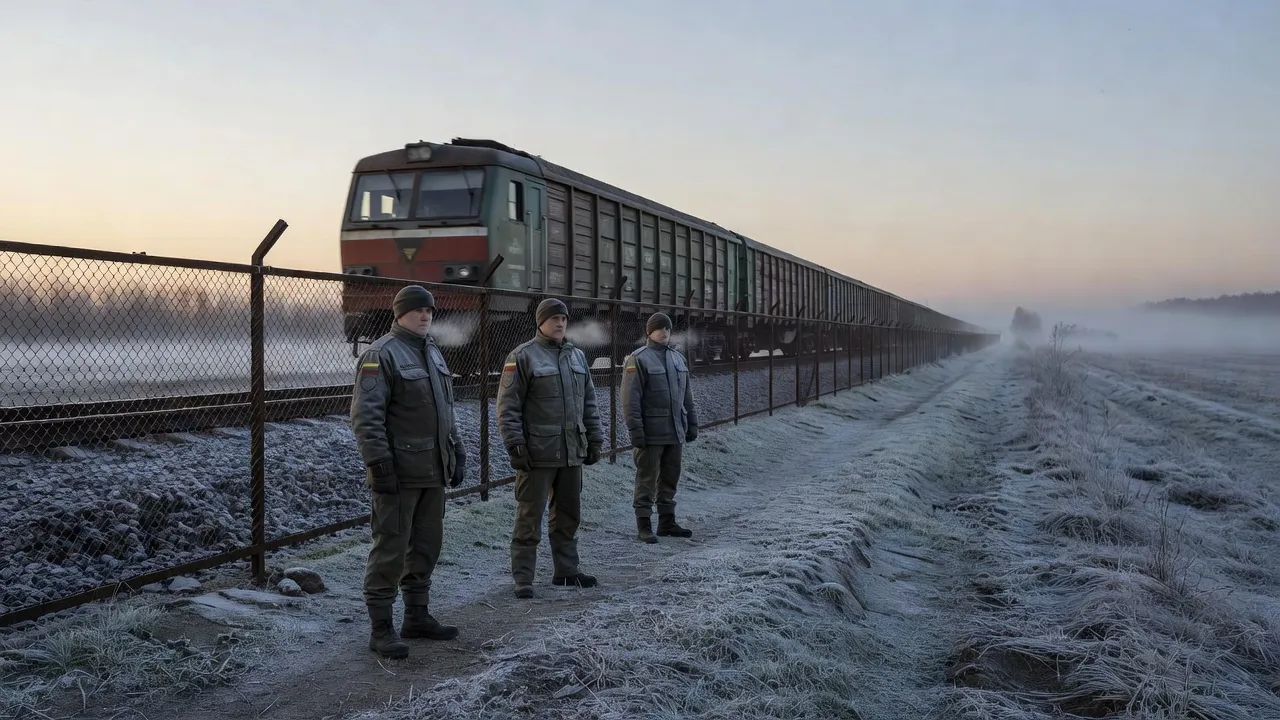
Washington, October 1, 2026. For the American press, the Russian message on Kaliningrad is primarily a matter of nuclear deterrence. Fox News writes that Moscow's warning "raises new concerns": the highly militarized enclave could become a point of confrontation between Russia and the Alliance. According to Reuters, cited by the channel, Moscow warned NATO in a diplomatic document that it was ready to use "the entire arsenal of forces and capabilities at its disposal, including nuclear weapons" if Alliance members tried to isolate Kaliningrad from the rest of Russia. Reuters reported this on Wednesday, September 30.
The same document would also mention, according to Fox, the possibility of strikes against "decision-making centers" in member countries from the start of a conflict. The enclave, the channel notes, is located on the Baltic between Poland and Lithuania, two US allies. It hosts elements of the Russian Baltic Fleet.
ABC News, via a news agency dispatch dated Brussels, puts the warning into a diplomatic sequence. Several Russian embassies in Europe stated this week that they had "information" that NATO was preparing an air and naval blockade of Kaliningrad. The embassies in the UK and Ireland published their text on Telegram, while the Belgian embassy handed it over to the Tass agency. The Irish embassy, in its statement on Tuesday, September 29, wrote: "Do not be mistaken, Russia would be ready to use its entire arsenal, including nuclear weapons." These texts accuse European leaders of "playing a dangerous game" by mentioning a Russian attack or a campaign of sabotage and drones. Moscow considers these accusations absurd.
The Alliance's response occupies a central place in both texts. Spokeswoman Allison Hart confirmed on Wednesday that she had received a written Russian message. "We strongly condemn the threat of force, including any irresponsible nuclear rhetoric," she said. She asserts that NATO is not targeting Kaliningrad, that it has sent a response, and that none of its activities or exercises threaten any part of Russia.
Fox adds the opinion of an expert: Carrie Filipetti, from the Vandenberg Coalition, recalls that Moscow regularly resorts to nuclear threats in an attempt to dissuade the West from helping Ukraine. She mentions the allusions to tactical strikes at the start of the invasion. The channel also cites experts who say that Kaliningrad is already being used to pressure Europe through hybrid means.