
DOMINANT ANGLE
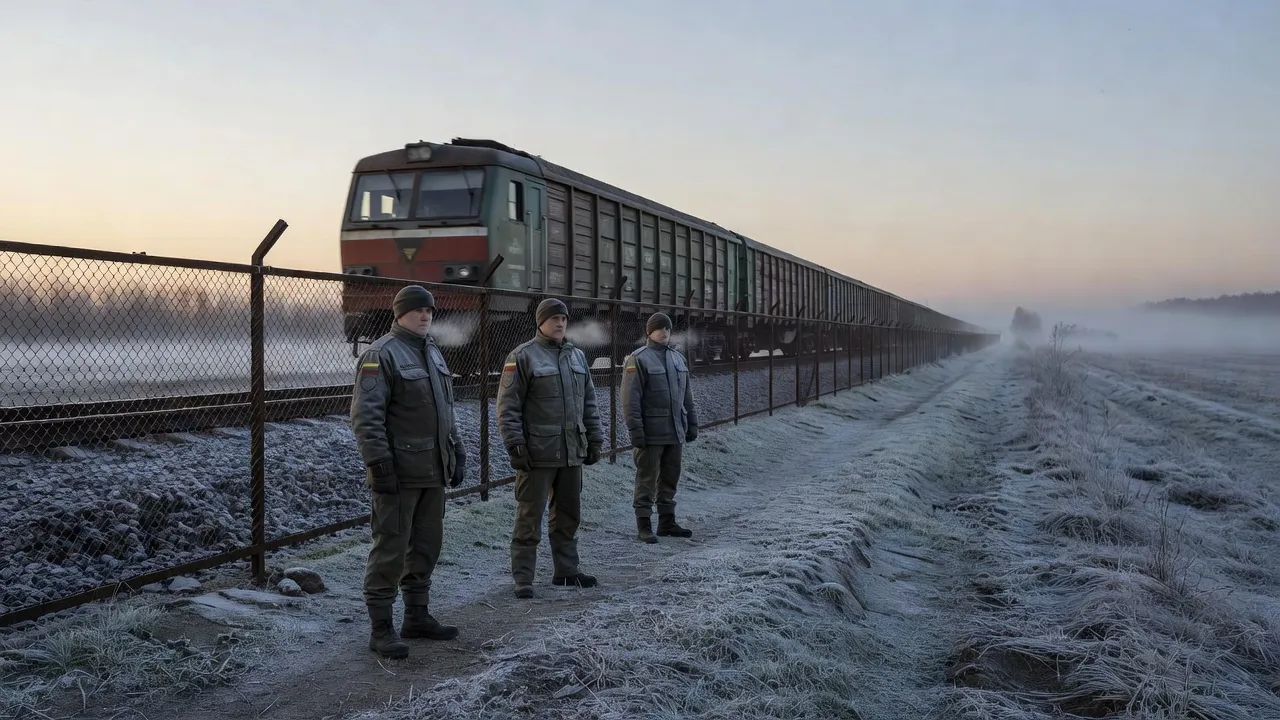
Budapest interprets the Russian warning on Kaliningrad as a nuclear threat targeting the defense of the Baltic region, and gauges its scope in light of NATO's response and the Suwalki exercise.
Dominant angle identified — does not reflect unanimity of this country’s media
KEY POINTS
- 01
According to the Financial Times as reported by 444, Moscow has submitted a document to NATO mentioning the use of nuclear weapons in the event of Kaliningrad's isolation.
- 02
NATO spokesperson Allison Hart condemns "irresponsible nuclear rhetoric" and asserts that the Alliance does not threaten any part of Russia.
- 03
Mark Rutte: "Putin knows he will never defeat NATO, so I don't take this too seriously," while also estimating that NATO must react.
ANALYSIS
Budapest, October 1, 2026. The Hungarian press takes away from the situation a Russian nuclear threat targeting NATO, and above all, the Alliance's response. The 444 website, which relies on the Financial Times, reports that Moscow sent a document to NATO stating that Russia would use nuclear weapons if the Alliance tried to isolate the Kaliningrad enclave, which is sandwiched between Poland and Lithuania. According to anonymous sources cited by the British daily, the text accuses NATO of following a "dangerous and thoughtless" line and mentions a high risk of direct conflict.
Moscow cites the Alliance's maneuvers in the region and the Baltic Sentry mission to claim that NATO is preparing operations against Kaliningrad. According to 444, these moves could lead to Russian strikes against decision-making centers located in member states. NATO spokesperson Allison Hart confirmed the receipt of an unofficial document and the response sent: "We strongly condemn threats of force, including irresponsible nuclear rhetoric."
HVG relays the Russian embassy in Dublin, which published the warning on Facebook, and puts the threat into context: the Gallant Boar exercise, held in June with Polish, Lithuanian, and French troops, rehearsed the defense of the Suwalki corridor. This corridor, near the Polish-Lithuanian-Belarusian border, is considered by many to be the most vulnerable point of NATO. However, HVG believes that nothing indicates a blockade of Kaliningrad: the spirit of the exercise is "reactive and not offensive".
Secretary-General Mark Rutte, quoted via the MTI agency, stated that he will not publish the exact content of the Russian letter and will only comment on what Moscow has said to the press. He called for an end to nuclear threats, "totally unjustified". When asked about the risk of escalation against the Baltic countries, he replied: "Putin knows he can never defeat NATO, so I don't take it very seriously", while also judging that the Alliance must react. He sees this as an attempt to divide the allies and divert their attention from Ukraine, which, in his view, is holding the front line and has improved its military situation.
SOURCES (2)
- 444MEDIUM
- HVGMEDIUM