
DOMINANT ANGLE
Kyiv interprets the Russian note on Kaliningrad as yet another nuclear signal aimed at undermining Western support for Ukraine, and relays NATO's firm response.
Dominant angle identified — does not reflect unanimity of this country’s media
KEY POINTS
- 01
According to Reuters, the Russian note handed to NATO promises "the entire arsenal of forces and means", including nuclear weapons, if Kaliningrad were to be isolated.
- 02
NATO spokesperson Allison Hart confirmed receipt of the "non-paper" and the sending of a response denouncing any irresponsible nuclear rhetoric.
- 03
Kyiv Post recalls that the accession of Finland and Sweden has given NATO members control of most of the Baltic coastline.
ANALYSIS
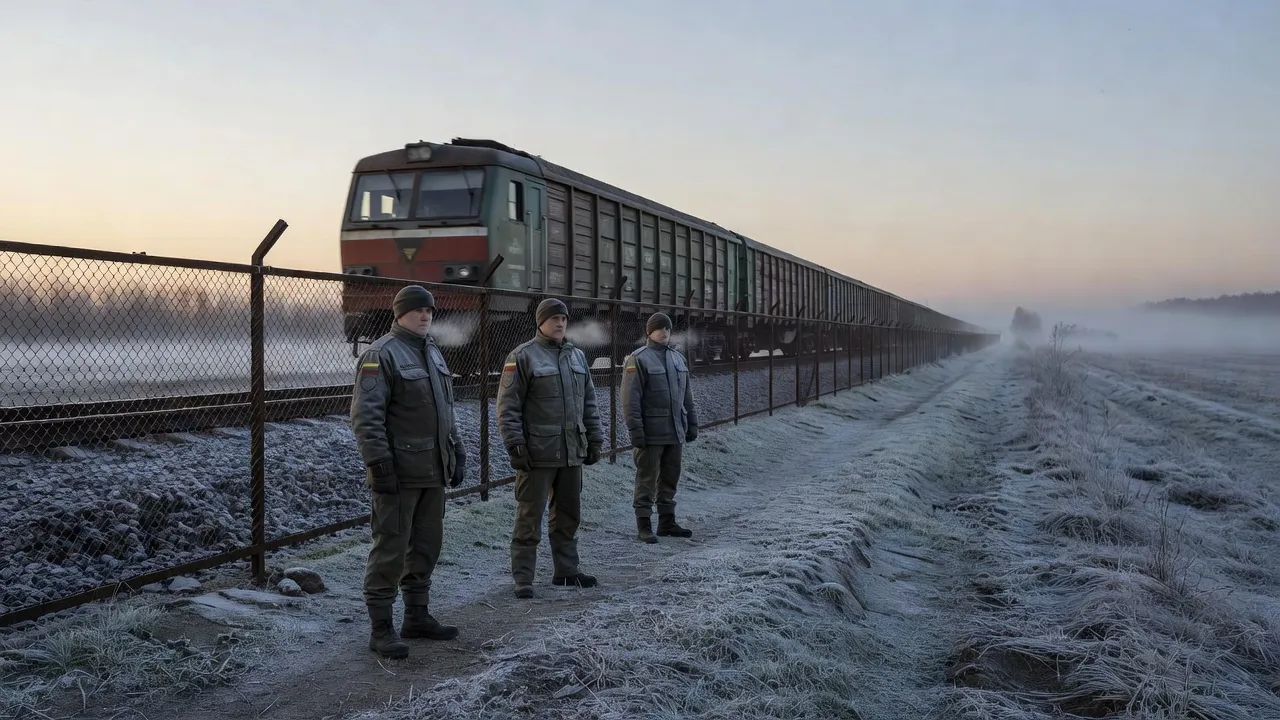
Kyiv, Wednesday, September 30, 2026. Ukrainian media outlets are reporting that Moscow has submitted a diplomatic document to NATO in Brussels, stating that Russia is prepared to use "all available forces and means, including nuclear weapons" if Alliance countries attempt to isolate the Kaliningrad region from the rest of the country.
The text accuses NATO of a "dangerous and irresponsible course" with "high risks" of direct armed conflict, and mentions Russian strikes against the decision-making centers of member states "from the start". TSN views this as the most direct threats since the Cold War and notes that Moscow is once again linking nuclear use to the situation surrounding Ukraine.
NATO's response is prominent. Spokeswoman Allison Hart confirms the receipt of a Russian "non-paper" and a response: the Alliance is defensive, and no activity or exercise threatens Russia. She denounces "the threat of force, including any irresponsible nuclear rhetoric". Ukrainska Pravda also quotes her statement: the use of hybrid tactics is "a sign of desperation", and the Alliance has the means to defend "every inch" of allied territory.
Kyiv Post offers an analytical reading: the note extends Russia's effort to use nuclear signals and hybrid pressure to mask a strategic vulnerability. The enclave, located between Poland and Lithuania, is heavily militarized but difficult to supply in the event of a confrontation; the accession of Finland and Sweden has given NATO members control over most of the Baltic coastline. Deputy Secretary-General Radmila Shekerinska noted in August that Russian nuclear rhetoric intensifies when Moscow suffers setbacks or pressure on its infrastructure, in order to weaken Ukraine's resolve and Western support for Kyiv.
Neighboring countries are cited: Lithuania speaks of psychological pressure, and Polish Foreign Minister Radosław Sikorski believes that NATO should increase exercises near Kaliningrad. The EU is preparing an emergency security protocol and a strategy designating Russia as the main threat. In this reading, the threat to Kaliningrad is primarily aimed at influencing aid to Ukraine.
SOURCES (3)
- Kyiv PostMEDIUM
- Ukrainska Pravda ENMEDIUM
- TSN UkraineMEDIUM