
DOMINANT ANGLE
Doha is scrutinizing the Russian nuclear warning on Kaliningrad as a risk of escalation on NATO's eastern flank, between Moscow's memorandum and Mark Rutte's firm response.
Dominant angle identified — does not reflect unanimity of this country’s media
KEY POINTS
- 01
According to a diplomatic document, Russia says it is ready to use its entire arsenal, including nuclear weapons, if NATO isolates Kaliningrad (Al Jazeera).
- 02
Mark Rutte deemed the document unnecessary, called to "stop the nuclear threats" and stated that "Putin knows that he can never win".
- 03
A Western military source cited by Reuters mentions an unannounced operation involving dozens of NATO aircraft around Kaliningrad in mid-August (Gulf Times).
ANALYSIS
Doha, October 1, 2026. Qatari media are treating the Russian warning from the angle of a military escalation on the eastern flank of the Alliance. Al Jazeera reported on September 30 that Russia claims to be ready to use "its entire arsenal", including nuclear weapons, if NATO attempts to isolate the Kaliningrad enclave, according to a diplomatic document transmitted to member states.
The memorandum, sent on Wednesday, September 30, states that Moscow has "information that NATO is preparing an air and naval blockade of Kaliningrad". Al Jazeera presents this accusation as a claim by Moscow and does not cite any corroboration.
The Alliance's response is detailed: Secretary General Mark Rutte recalled that NATO is a defensive alliance, deemed the document unnecessary, and asked Russia to "stop nuclear threats". He downplayed the scope of the warning by stating that "Putin knows he can never win" in a direct confrontation with the Alliance.
The channel places the episode more than four and a half years after the start of the large-scale invasion of Ukraine. Poland has strengthened its air defense after alleged incursions into its airspace, and Danish authorities say a Russian warship fired two flares near a Danish military helicopter over the Baltic, two weeks ago.
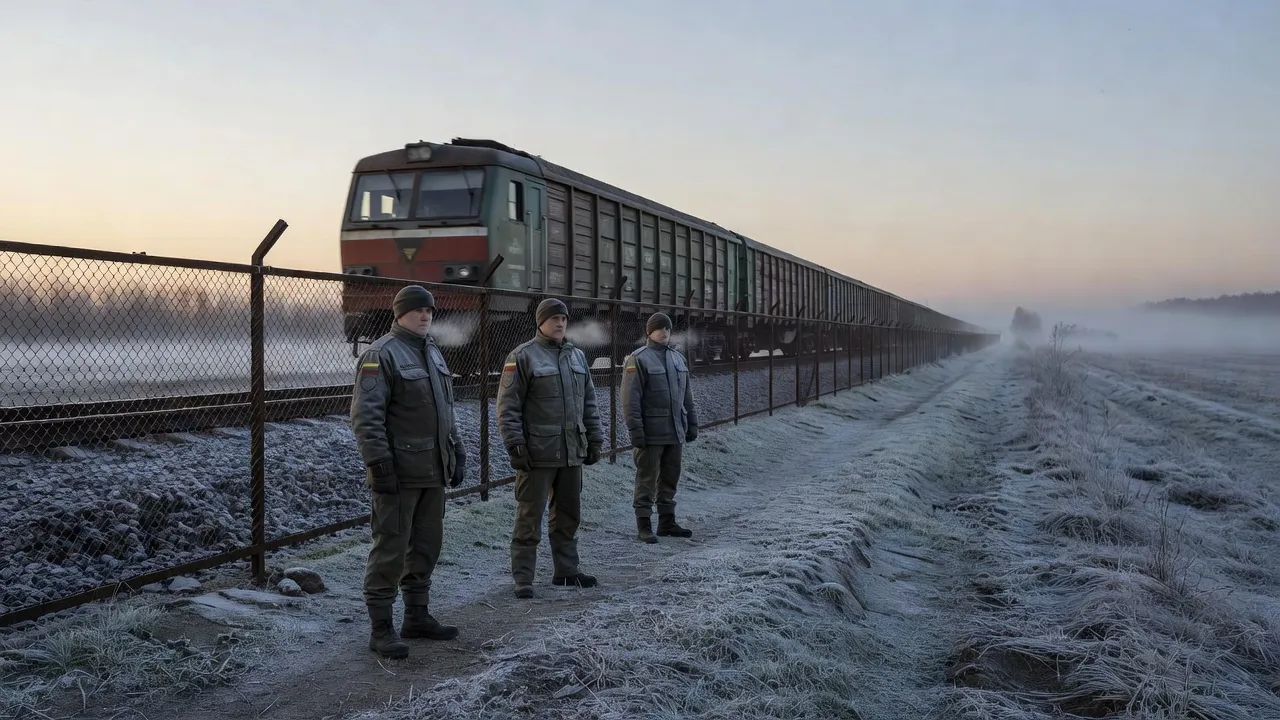
The Gulf Times, in an editorial entitled "A potential flashpoint with NATO", details the geography: an enclave of around one million inhabitants, slightly larger than Connecticut, former Königsberg ceded to the USSR in 1945, wedged between Poland and Lithuania. It serves as a platform for air defense, missiles, and naval forces, but remains a vulnerable pressure point, with supply lines difficult to maintain in the event of war.
The text recalls the accession of Finland (2023) and Sweden (2024) and cites a Western military source mentioning, in mid-August, an unannounced operation by dozens of NATO aircraft, capable of cutting the enclave's radio and radar links. It notes that Russia perceives a growing Western threat.