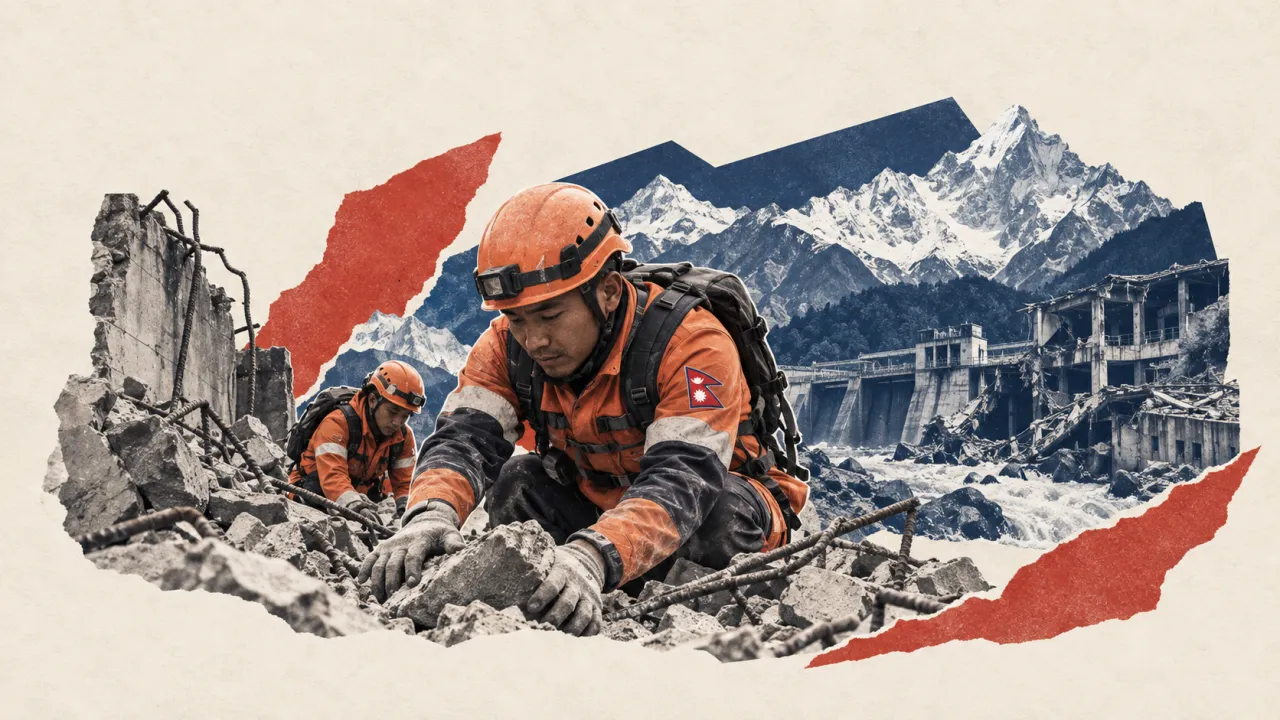
Nepal glacier collapse: the missing rise to 6,150 as a study attributes the disaster to warming
published on
countries
sources
articles
the same fact, two accounts
 Brazil
Brazil first notes the scientific validation: according to Folha de S.Paulo, the World Weather Attribution study confirms that warming exacerbated the combination of climate and geological factors that caused the collapse of Langtang Lirung, while the human toll — more than 6,000 missing, barely 7% of bodies identified — takes a back seat.
What each one tells
same framing Sweden
Stockholm is scrutinizing the mechanics of the disaster more than its human toll: the Swedish press is devoting most of its coverage to the climate attribution study by the World Weather Attribution, treating the revision of the number of missing people in Nepal as a figure to be updated rather than a story to be told.
- Brazil
Western institutional backing
the cited scientific study relies on researchers from Imperial College in London and the University of Utrecht, with no Nepalese or Himalayan experts mentioned in the articles.
Omission of foreign nationalities
the number of missing foreigners is given in aggregate, without detail by country, while several governments are actively searching for their nationals.
What the account puts first
SwedenScience-centered
three of the five articles reproduce almost entirely the same dispatch on the attribution study, without addressing the human or diplomatic dimension of the disaster.
Diplomatic omission
no article mentions Nepal's intention to bring climate justice before the United Nations General Assembly, or the searches for missing foreign nationals.
and the figures
6,150
Number of people reported missing
people
same figure6,150