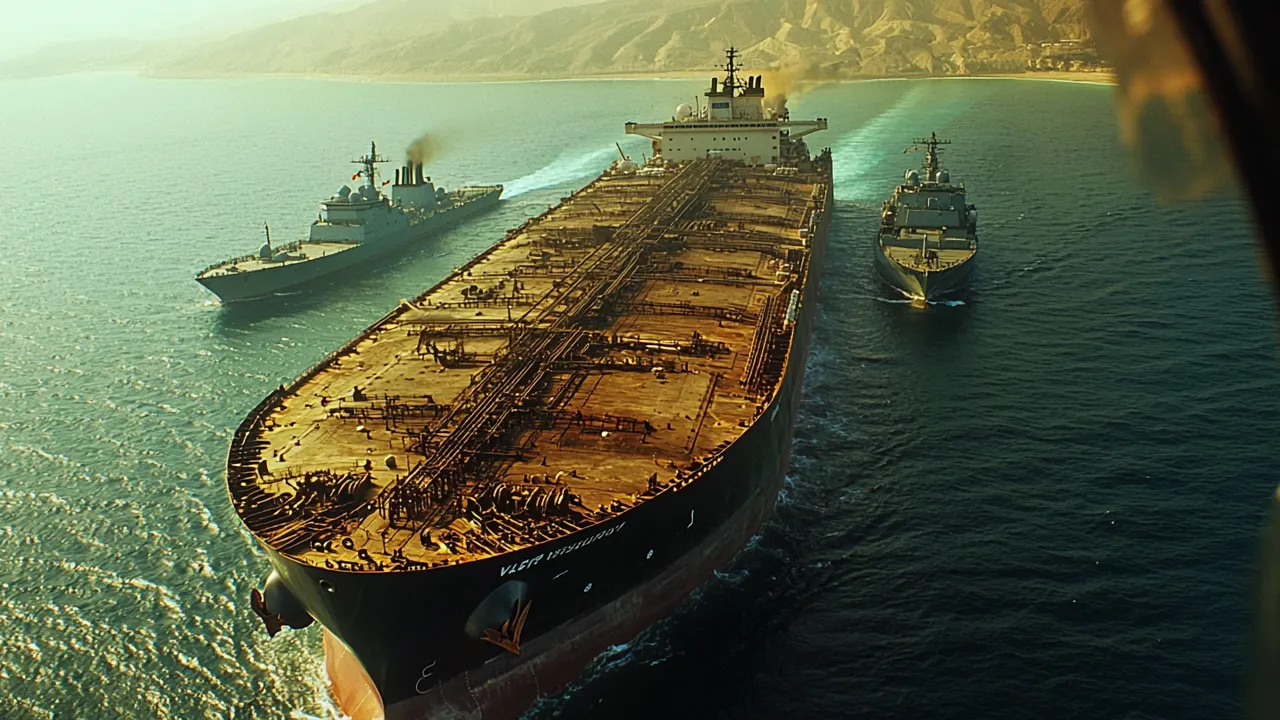
Australia1 SOURCESingle sourceCanberra views the Hormuz crisis as a test of American naval power in the Indo-PacificVIEW PERSPECTIVES
Brazil1 SOURCESingle sourceBrasília calculates the Hormuz blockade in billions of reais lost to its trade balanceVIEW PERSPECTIVES
Canada1 SOURCESingle sourceWestern accuser bloc · 4 of 24 countriesOttawa documents the gap between ceasefire pledges and persistent maritime paralysis at HormuzVIEW PERSPECTIVES
China1 SOURCESingle sourceBeijing frames the Hormuz crisis as an industrial catastrophe for its factories and supply chainsVIEW PERSPECTIVES
South Korea1 SOURCESingle sourceConcerned consumer bloc · 4 of 24 countriesSeoul documents the Strait of Hormuz deadlock with clear-eyed scepticism despite ceasefire announcementsVIEW PERSPECTIVES
Egypt1 SOURCESingle sourceCairo underscores that Washington's Asian allies are turning to its adversaries to survive fuel shortagesVIEW PERSPECTIVES
United States1 SOURCESingle sourceWestern accuser bloc · 4 of 24 countriesWashington frames the Hormuz crisis through the lens of its impact on American petrol prices at the pumpVIEW PERSPECTIVES
Franceincl. 1 state outlet2 SOURCESParis argues the ceasefire remains hollow as long as the Strait of Hormuz remains paralysedVIEW PERSPECTIVES
India1 SOURCESingle sourceConcerned consumer bloc · 4 of 24 countriesNew Delhi receives Trump's ultimatum on Hormuz with the anxiety of a country dependent on 85% imported oilVIEW PERSPECTIVES
Iraq1 SOURCESingle sourceGulf mediator bloc · 3 of 24 countriesBaghdad documents Iranian toll as breaking point in Islamabad negotiationsVIEW PERSPECTIVES
Iran1 SOURCESingle sourceTehran maintains control of Hormuz as a negotiating lever while signalling restraint to global marketsVIEW PERSPECTIVES
Israel1 SOURCESingle sourceWestern accuser bloc · 4 of 24 countriesJerusalem reports Iran has lost track of its own mines in the Strait of HormuzVIEW PERSPECTIVES
Italy1 SOURCESingle sourceRome follows the Islamabad talks with the urgency of a country whose cargo ship has been held hostage in the Strait for over a monthVIEW PERSPECTIVES
Japan1 SOURCESingle sourceConcerned consumer bloc · 4 of 24 countriesTokyo releases 20 days of strategic oil reserves—a signal that the ceasefire won't be enoughVIEW PERSPECTIVES
Nigeria1 SOURCESingle sourceAbuja turns the Hormuz crisis against its own government's failure to protect Nigerians despite vast oil reservesVIEW PERSPECTIVES
Pakistan1 SOURCESingle sourceGulf mediator bloc · 3 of 24 countriesIslamabad hosts peace talks while facing shipping collapse at its doorstepVIEW PERSPECTIVES
Philippines1 SOURCESingle sourceManila sees the Hormuz blockade as a dry run for what China could do in the PacificVIEW PERSPECTIVES
QatarSTATE MEDIA1 SOURCESingle sourceGulf mediator bloc · 3 of 24 countriesDoha pushes for regional agreement to remove Strait of Hormuz from US-Iran standoffVIEW PERSPECTIVES
United Kingdom1 SOURCESingle sourceWestern accuser bloc · 4 of 24 countriesLondon covers Hormuz through both nuclear and maritime dimensions, reflecting its dual standing as a naval and nuclear powerVIEW PERSPECTIVES
RussiaSTATE MEDIA1 SOURCESingle sourceSilent beneficiaries · 1 of 24 countriesMoscow highlights a blocked Italian cargo ship to illustrate European powerlessness in the Strait of HormuzVIEW PERSPECTIVES
Serbia1 SOURCESingle sourceBelgrade views the Hormuz crisis as a test that could strengthen the strategic value of Russian oilVIEW PERSPECTIVES
Singapore1 SOURCESingle sourceConcerned consumer bloc · 4 of 24 countriesSingapore maps Hormuz flows and bottlenecks in real-time with the precision of a global port hubVIEW PERSPECTIVES
TurkeySTATE MEDIA1 SOURCESingle sourceAnkara notes that Iran has lost track of its mines—a lesson that any strait guardian registersVIEW PERSPECTIVES
Ukraine1 SOURCESingle sourceKyiv gauges the Hormuz crisis by measuring its impact on American attention being diverted from UkraineVIEW PERSPECTIVES