DOMINANT ANGLE
Sweden is seeing a barely perceptible shift: 176 seats against 173, a red-green majority that holds by about 28,600 votes and the unprecedented debacle of the Sweden Democrats, ahead of the verdict on overseas votes on Wednesday.
Dominant angle identified — does not reflect unanimity of this country’s media
KEY POINTS
- 01
With 99% of precincts reporting, the opposition is leading by 176 seats to 173, a margin of 0.45 percentage points or approximately 28,600 votes (Dagens Nyheter)
- 02
The Sweden Democrats have fallen to 17.7% of the vote, compared to 20.5% in 2022, their first decline since entering the Riksdag in 2010, and have lost their position as the second-largest party to the Moderates
- 03
The Centre Party (7.1%) refuses to support a government that includes the Left Party (8.2%), which is itself demanding to be part of it, complicating the formation of a majority for Magdalena Andersson
ANALYSIS
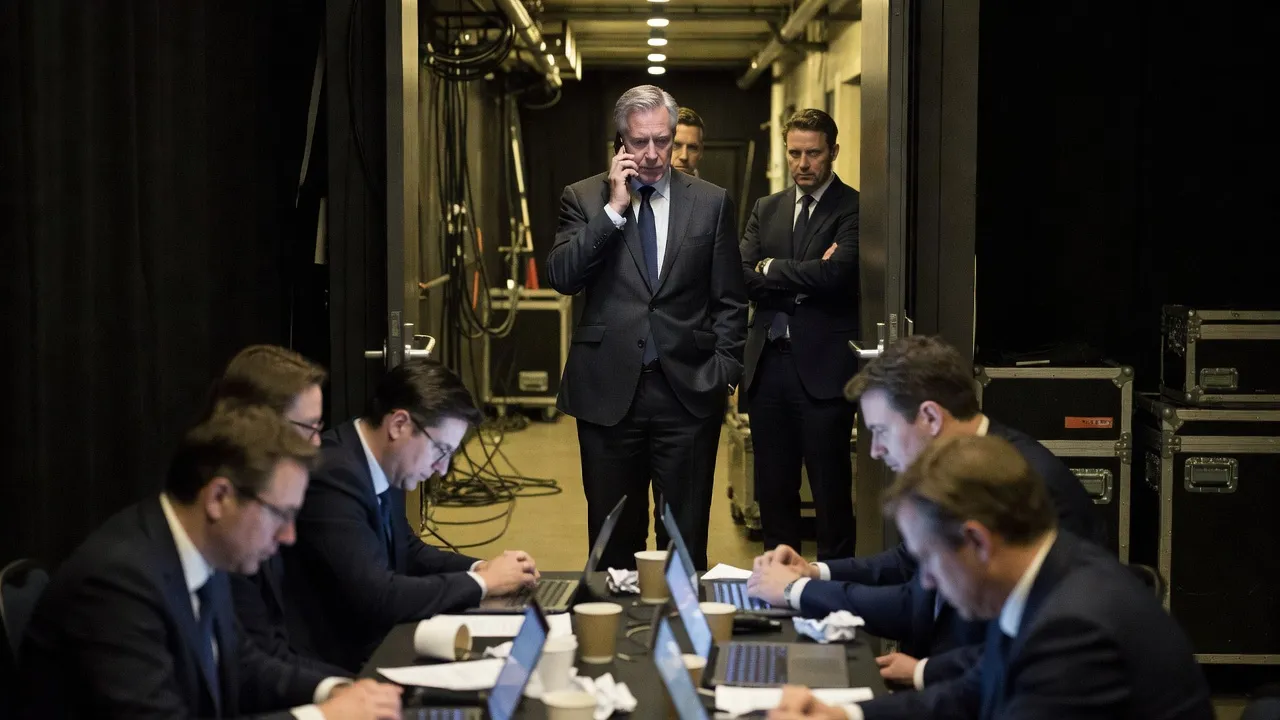
Stockholm, September 15, 2026. The day after a suspenseful election night, Sweden still does not know who will govern. According to the Electoral Authority, with 99% of polling stations counted, the four opposition parties — Social Democrats, Greens, Centre, and Vänsterpartiet — are leading the outgoing coalition 176 seats to 173, a margin of just 0.45 percentage points, or about 28,600 votes, according to calculations by the daily Dagens Nyheter. In 2022, the gap between the two blocs was almost double, at 0.72 percentage points. The final result is not expected until Wednesday, once the "Wednesday votes" — advance ballots that arrived late and foreign votes, which added about 251,000 ballots in 2022 — are counted.
The notable fact of the evening remains the decline of the Sweden Democrats, which had been leading in the polls for months before the vote: the far-right party fell to 17.7% of the vote, compared to 20.5% in 2022, its first decline since entering the Riksdag in 2010. The Moderates of Prime Minister Ulf Kristersson are taking advantage of this to become the leading right-wing party again. A party member, Julia Kronlid, acknowledged to AFP: "It's a bit of a disappointment to no longer be the second party." Politologist Erik Wångmar (Linnéuniversitetet) attributes the red-green wave to the large cities: of the 33 mandates in the Stockholm commune, 21 would go to the opposition, a shift he considers decisive "at the margin".
Even in the event of a confirmed victory, Magdalena Andersson will have to compose with a fragile team: the Vänsterpartiet is demanding ministers, which the Centre Party categorically refuses, despite having progressed by 0.3 points to 7.1%, behind the Vänsterpartiet's 8.2%. Kristersson, for his part, has not given up: he announced that he would seek an alternative "non-socialist" majority, including without Sweden Democrat ministers, targeting the Centre precisely. The Swedish press recalls that in 2018, a similar scenario had resulted in 37 days of negotiations before the inauguration of a government in January.
This uncertainty has a concrete cost for some residents: the English-language media The Local points out that a caretaker government led by Ulf Kristersson could remain in office for several months, delaying potential transitional rules on naturalization or the cessation of expulsions related to Brexit and minors, promised by the left in the event of a victory.
SOURCES (2)
- The Local SwedenMEDIUM
- Dagens NyheterMEDIUM



















