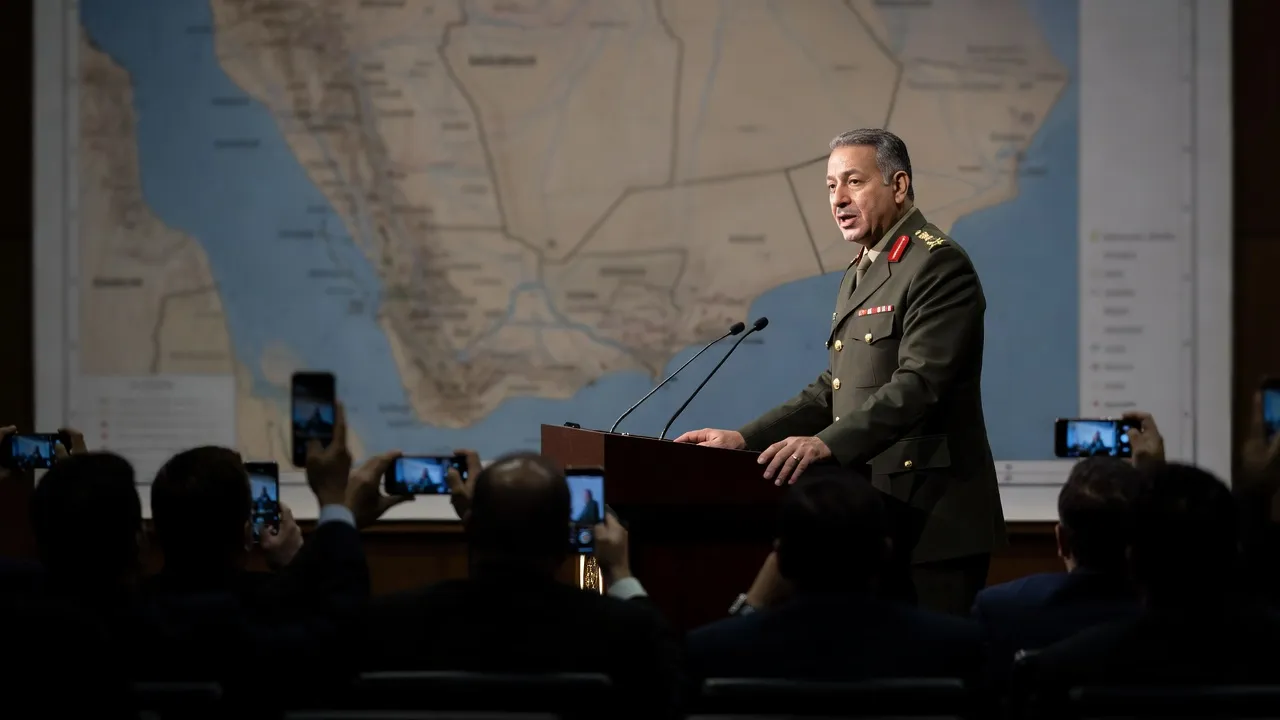
Traffic collapses in the Strait of Hormuz as the Houthis strike three Saudi cities and the Gulf meeting is postponed
the same fact, two accounts
this subject is more divergent than 72% of the subjects analysed
 Iran
IranTehran denounces the postponement of the Gulf meeting as American pressure, claims its bilateral agreement with Oman on navigation, and prepares talks with Beijing, while ruling out its own responsibility in the collapse of traffic in the Strait of Hormuz.
What each one tells
opposition Australia
Canberra is gauging this Gulf escalation by the barrel price: the Houthi strikes against Saudi cities are pushing oil above $100 American, a surge that Australian media immediately convert into a cost for the national motorist.
- Iran
of responsibility
the narrative attributes the Ormuz crisis to US-Israeli aggression, without mentioning the country's own announced navigation restrictions.
Relying on a single source
the FAO analysis of global food shortages is cited via the Russian agency Sputnik, rather than a diversified source.
Relative omission
Iranian articles detail at length incidents affecting Iranian interests (mines, drones, fishermen), while Saudi civilian casualties from Houthi strikes are only mentioned in passing in another account.
What the account puts first
AustraliaEconomic
the article opens with the oil cost before detailing the human toll of the escalation.
- Iran
this perspective does not carry this information
What it leans on
Australia onlyAustraliaofficial source
the account relies on the statement from the coalition's spokesperson, with no reported Houthi counterpart in the same article.
and the figures
this press does not report this figure
Average diesel price in the United States
US dollars per gallon
this press does not report this figure
this press does not report this figure
Civilians injured in Houthi strikes of September 14
number of civilians injured
only one reports itThirteen civilians injured
this press does not report this figure
Ships transiting the Strait of Hormuz on September 15
number of ships per day
this press does not report this figure