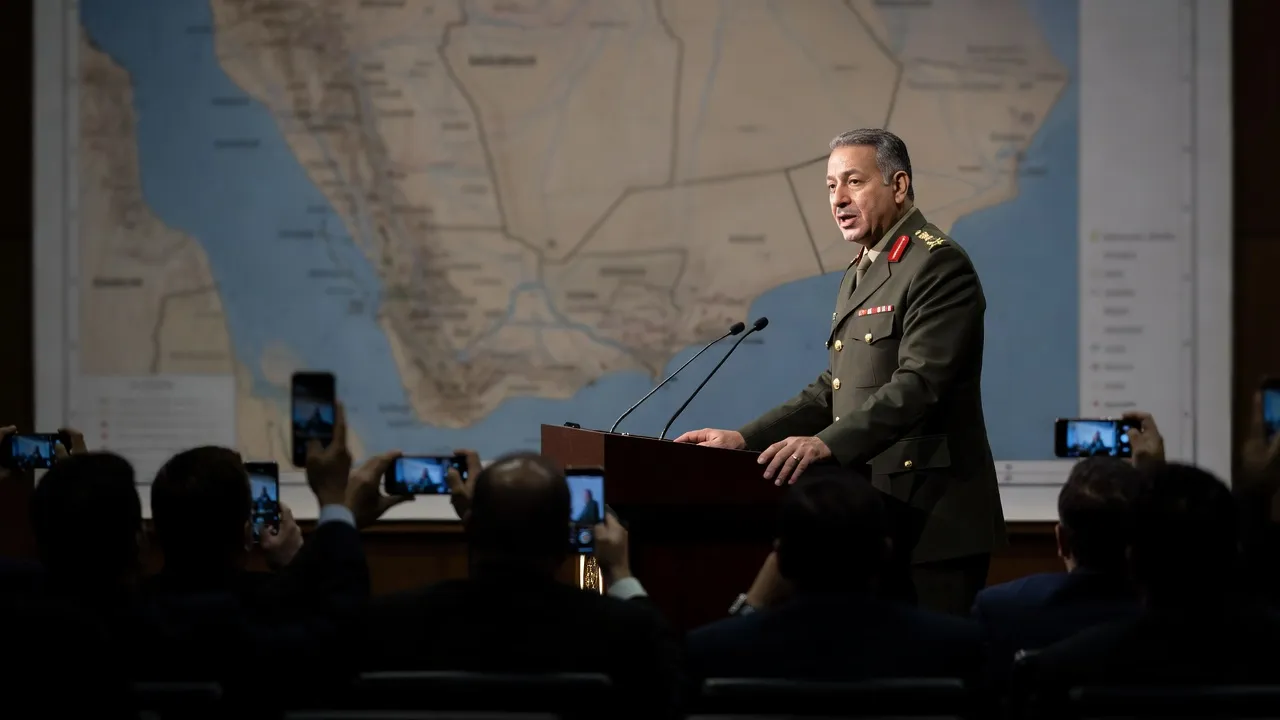
Traffic collapses in the Strait of Hormuz as the Houthis strike three Saudi cities and the Gulf meeting is postponed
the same fact, two accounts
this subject is more divergent than 72% of the subjects analysed
 Nepal
NepalKathmandu is measuring the Gulf crisis almost exclusively in terms of the barrel: the Nepalese press, which reprints Reuters dispatches, first retains the threat to 4% of the world's oil supply, more than the battle for the Bab el-Mandeb islands or diplomatic negotiations.
What each one tells
opposition Indonesia
Jakarta is deciphering a front that is closing in on two seas at once: the Houthists are locking down Bab el-Mandeb while Hormuz remains closed, and the war is spreading to the outskirts of Mecca.
- Nepal
Economic framing takes precedence
the article's subtitle prioritizes the threat to global supply over any human or diplomatic toll.
What the account puts first
IndonesiaRelies on the unverified Houthi account
the narrative reports the extent of the claimed damage to the Khamis Mushait base without independent Saudi confirmation.
Omits the local impact
the text links the closure of Ormuz to a global price increase without detailing its effects on the country itself.
- Nepal
Nearly exclusive reliance on wire reports
the article retains the original byline and place of writing, without any original reporting from the Gulf.
What it leans on
Nepal onlyIndonesiathis perspective does not carry this information
and the figures
this press does not report this figure
Average diesel price in the United States
US dollars per gallon
this press does not report this figure
Thirteen civilians injured
Civilians injured in Houthi strikes of September 14
number of civilians injured
only one reports itthis press does not report this figure
this press does not report this figure
Ships transiting the Strait of Hormuz on September 15
number of ships per day
this press does not report this figure