What the comparison reveals
Common ground and differences in coverage across the media analysed.
What the media report in common
On May 24, Trump posted on Truth Social a message ordering his negotiators to 'not rush' into an agreement, asserting that 'time is on our side'.
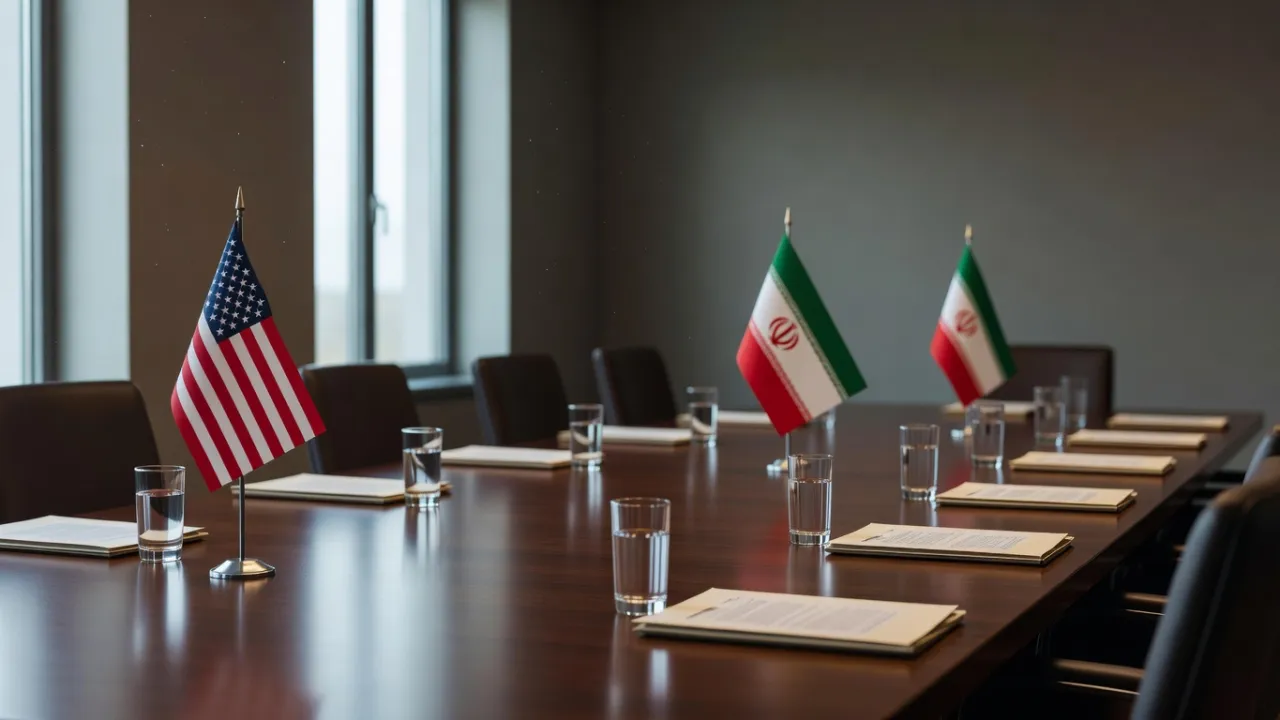
A ceasefire between the United States and Iran has been in effect since April 8, 2026, but Washington maintains a blockade of Iranian ports and Iran maintains controls over navigation in the Gulf.
The reopening of the Strait of Hormuz is the central point of ongoing negotiations, with the Iranian nuclear question deferred to a later phase.
Where media coverage diverges
US airstrikes during the ceasefire
Singapore and the United Kingdom cover in detail US airstrikes on Iranian missile sites in the southern part of the country on May 25, which occurred during the ceasefire. This information is absent from Canadian, German, and French perspectives.
How each country reads it
Preview: 3 of 5 media perspectives. Syntheses of the media analysed — not direct quotations.
Berlin reads Trump's Iran reversal as a signal of strategic patience: after nurturing hopes for a swift agreement, Washington has stepped back and frames time as a tactical advantage.
1 source ·
Paris scrutinizes Trump's Iran U-turn: after signals of progress, Washington declares that 'time is on our side' and instructs its negotiators not to rush the deal.
1 source ·
Doha closely tracks Washington's whiplash on Iran negotiations: a deal announced as "largely negotiated" one day, then tempered by Trump himself the next, places Qatar—a directly consulted mediator—at the center of diplomatic volatility.
1 source ·





