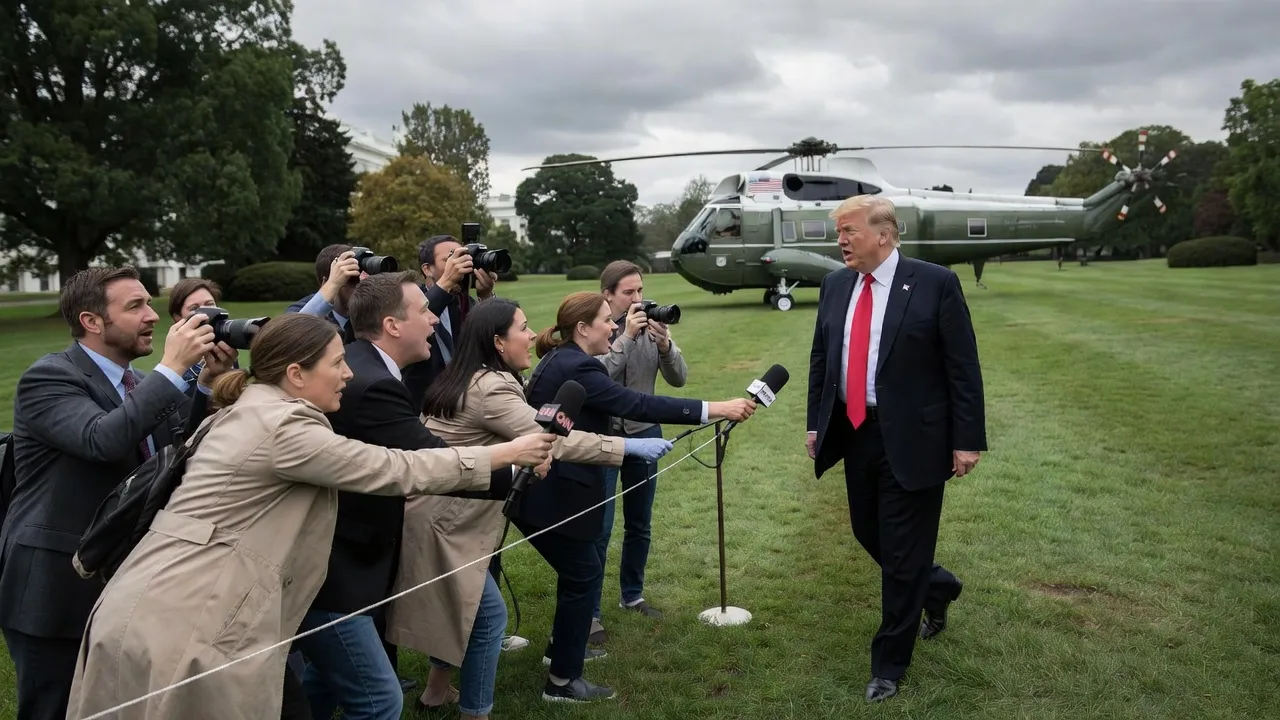
Trump rejects Iran's seven-day plan to reopen Hormuz and renames the strait "Trump Strait"
published on
countries
sources
articles
the same fact, two accounts
this subject is more divergent than 90% of the subjects analysed
 United States
The United States government draws a clear line: Iran's plan to reopen the Strait of Ormuz in seven days is not acceptable, and the President is turning the refusal into a show of force just five weeks before the midterm elections.
What each one tells
opposition Argentina
Buenos Aires sees Trump's refusal as a maneuver timed to the US electoral calendar rather than the substance of the Iranian proposal on the Strait of Hormuz.
- United States
focused on Iranian weakness
the narrative repeats the presidential formula attributing Tehran's offer to a military defeat rather than a possible American concession.
What the account puts first
ArgentinaPolitical-domestic
Perfil explicitly links the rejection of the Iranian plan to the US electoral calendar rather than to the terms of the proposal alone.
Claimed distance from Western media
Perfil differentiates itself from coverage deemed too economic by highlighting a list of seven demands from Arab sources.
- United States
regional reservations
Saudi caution on the agreement appears in only one article, on the sidelines of the duel between Washington and Tehran.
What it leaves out
United States onlyArgentinathis perspective does not carry this information
- United States
Reliance on the official American version
the account of the negotiations primarily goes through the White House, rather than through first-hand Iranian sources.
What it leans on
ArgentinaReliance on a single US source
the forecast of a resumption of bombings is based on the Wall Street Journal, with no equivalent element attributed to the Iranian side.
and the figures
this press does not report this figure
Thaw of Iranian assets promised in return
billions of dollars
only one reports itat least 12 billion dollars