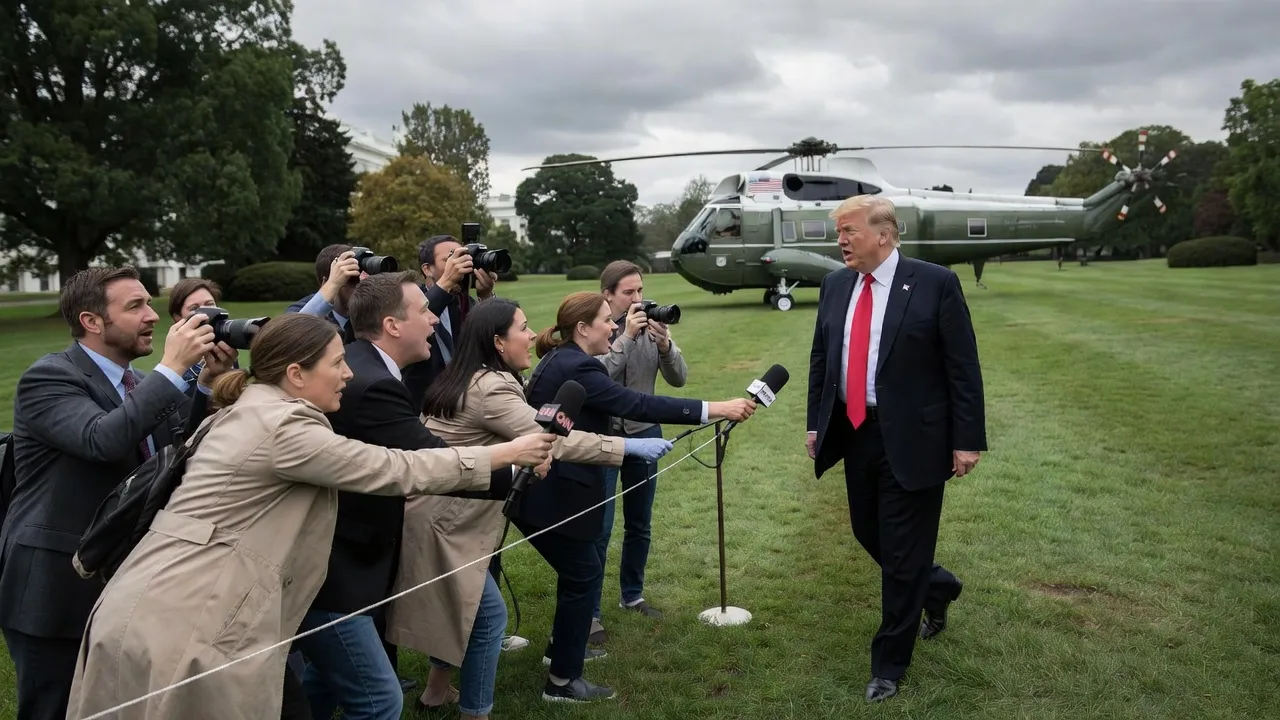
Trump rejects Iran's seven-day plan to reopen Hormuz and renames the strait "Trump Strait"
published on
countries
sources
articles
the same fact, two accounts
this subject is more divergent than 90% of the subjects analysed
 United States
The United States government draws a clear line: Iran's plan to reopen the Strait of Ormuz in seven days is not acceptable, and the President is turning the refusal into a show of force just five weeks before the midterm elections.
What each one tells
opposition Hungary
Budapest sees the renaming of the Strait of Hormuz to "Trump-szoros" as a staged event that covers up a refusal, the justification for which, as hammered out by Washington, remains above all economic: oil and the financial weakening of Tehran.
- United States
focused on Iranian weakness
the narrative repeats the presidential formula attributing Tehran's offer to a military defeat rather than a possible American concession.
What the account puts first
HungaryEconomic framing of the refusal
the coverage focuses first on Trump's oil and financial justification rather than his diplomatic or security motives.
Omission of the Iranian reaction to the refusal
the articles stop at the transmission of the proposal and do not mention any Iranian response or statement after Trump's rejection.
- United States
regional reservations
Saudi caution on the agreement appears in only one article, on the sidelines of the duel between Washington and Tehran.
What it leaves out
United States onlyHungarythis perspective does not carry this information
- United States
Reliance on the official American version
the account of the negotiations primarily goes through the White House, rather than through first-hand Iranian sources.
What it leans on
HungaryReliance on foreign agencies
the narrative relies on ABC and BBC dispatches rather than its own reporting on the negotiations.