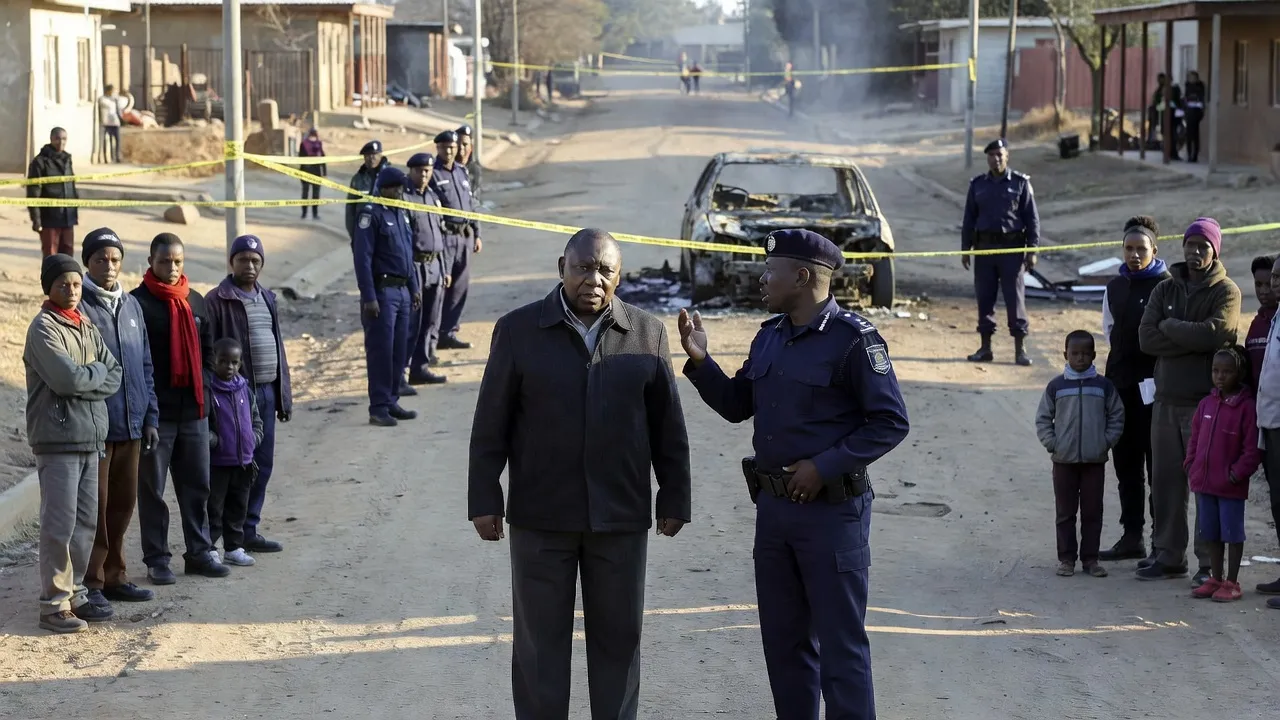
Two mass shootings kill 27 in one night in South Africa, near Johannesburg and Cape Town
published on
countries
sources
articles
the same fact, two accounts
this subject is more divergent than 5% of the subjects analysed
 Senegal
Dakar is drawing up a chilling assessment of two separate shootings that left 27 dead and 26 injured in South Africa, particularly noting the numerical toll of the carnage and the ongoing manhunt for the perpetrators.
What each one tells
opposition United States
The United States government clearly distinguishes these South African shootings from American mass shootings: organized crime and gang rivalries predominate over the isolated and ideological act.
- Senegal
Quantified framing of the count
the narrative precisely details the distribution of victims by sex and location rather than the context or causes of the attack.
What the account puts first
United StatesComparative framing with the United States
the coverage highlights the distinction with American mass shootings by lone gunmen, rather than treating the event on its own.
Historicizing
the coverage links the shootings to past events (Covid lockdown, Zuma riots, truck fires) rather than to the current government response.
- Senegal
Reliance on the police as the sole source
the two articles report the facts exclusively through statements from the local police, without any other independent voice.
What it leans on
United StatesAlmost exclusive reliance on police communications
the tolls, motives, and circumstances come almost entirely from the police, with no independent source cited.
and the figures
17 people killed
Assessment of the Wedela shooting incident
deaths
same figure17 dead
10 dead
Assessment of the Lwandle shooting
deaths
same figure10 dead
this press does not report this figure
Daily homicide rate in South Africa
homicides/day
this press does not report this figure