
DOMINANT ANGLE
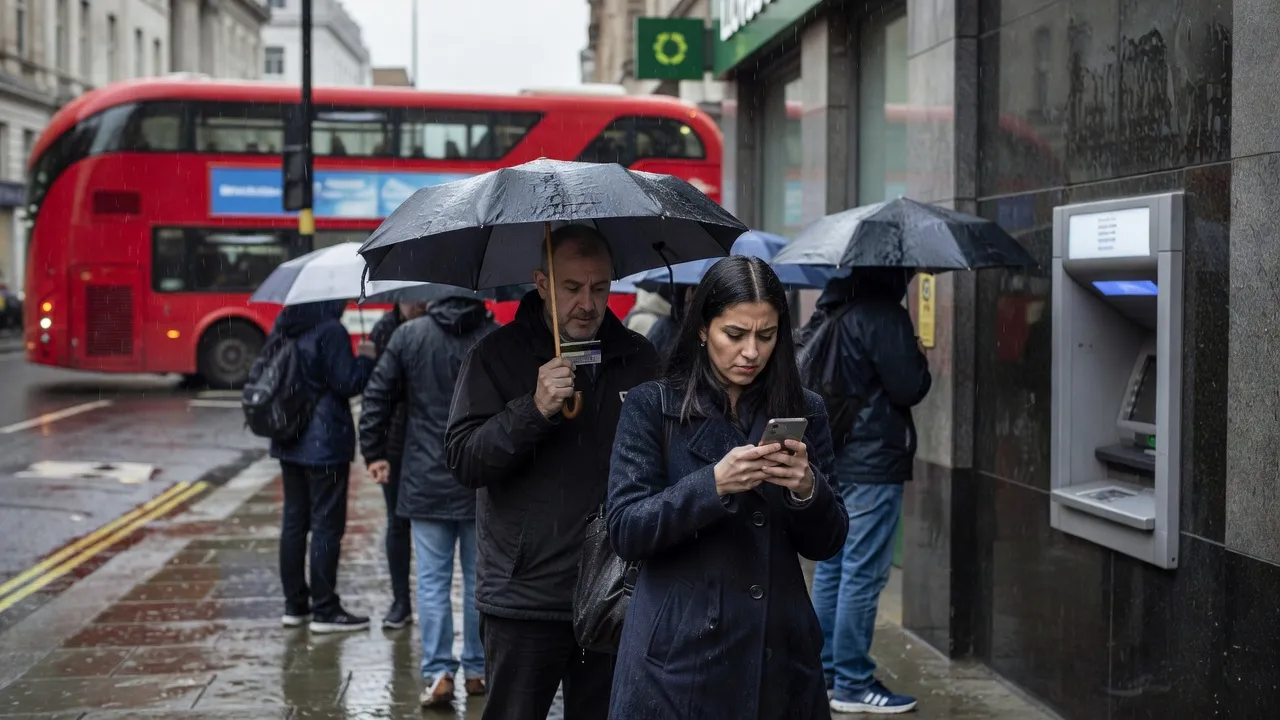
Abuja relays the AFP dispatch and mainly focuses on the immediate cost of the outage: payments, withdrawals, and transfers blocked in British banks.
Dominant angle identified — does not reflect unanimity of this country’s media
KEY POINTS
- 01
Google attributed the outage to "an electrical event" in the europe-west2 region, which started at 6:08 GMT, with recovery expected around 13:00 GMT.
- 02
Revolut experienced disruptions to ATM withdrawals, transfers, and card top-ups; Lloyds and HSBC confirmed customer difficulties.
- 03
Downdetector recorded hundreds of reports also affecting Rightmove and Royal Mail.
ANALYSIS
Abuja, October 20, 2026. Nigeria's press, through Vanguard and Punch, picked up the AFP dispatch on the outage that hit a Google Cloud data center near London on Tuesday. The American technology giant indicated that its services had suffered an outage "due to an electrical event," with a complete recovery expected by 1 p.m. GMT. According to Google, the incident began at 6:08 GMT.
The account opens with the banking consequences. The services of digital bank Revolut, including ATM withdrawals, transfers, and card top-ups, were disrupted, which a source close to the case attributes to Google Cloud's failures. British banks Lloyds and HSBC confirmed that their customers were experiencing difficulties.
The articles detail the messages from the institutions. Lloyds says it knows that "some customers are having problems with our app and online banking." HSBC mentions "access issues to our services" and promises to "monitor the situation, which also affects other organizations." A Revolut spokesperson claims that the team has been working on resolving the issue since it was identified, apologizes "to anyone affected," and assures that "money and data" of customers are safe.
Google described "high errors and intermittent network failures" in the europe-west2 region, namely its London center. The Downdetector monitoring site reported hundreds of reports concerning other companies, including real estate site Rightmove and postal service Royal Mail.
The text remains factual and figures-based, without editorial commentary or a Nigerian angle. It makes no connection to Nigeria's banking system or digital payments and does not develop the dependence on a few cloud providers or the issue of digital sovereignty. What emerges is the immediate cost for customers and banks: blocked payments, withdrawals, and transfers for several hours, and the need for institutions to reassure about the security of funds.


