Nigeria — news through its media
Stories followed in this country, with their framing set against the rest of the world.
161 subjects found

Pentagon Prepares Weeks of Ground Operations in Iran: The Point of No Return
The Washington Post reveals the Pentagon is planning weeks of ground raids in Iran. A Marines ship arrives in the Gulf. A US base in Saudi Arabia is destroyed. Iran threatens to strike universities. Nine countries, nine readings of the moment when war changes in nature.



 +5

"No Kings": Millions of Americans in the streets against Trump — the world watches
The "No Kings" demonstrations reach a new peak across the United States. Even small towns in West Virginia are mobilizing. London, Rome, and Washington see thousands marching. Seven countries, seven readings of an America that resists.


 +3
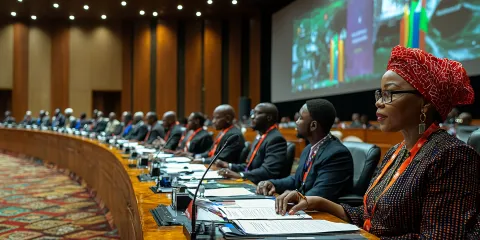
MC14 in Yaoundé: Global Trade Tested by Carbon Border Tax
The 14th WTO Ministerial Conference opens in Yaoundé, Cameroon — a first on the African continent. At the heart of debates: the European Union's Carbon Border Adjustment Mechanism (CBAM), which entered into force in January 2026 and requires importers to pay for CO2 emissions embedded in products. Developing countries denounce a form of green protectionism while the EU defends compatibility with WTO rules. 166 countries are negotiating the future of global trade.

 +8

US Medicaid Cuts: $665 Billion Stripped from State Healthcare Budgets
The One Big Beautiful Bill Act enacts historic Medicaid cuts, reducing federal spending by $911 billion over a decade. States face massive budget shortfalls while 7.5 million Americans risk losing health coverage. The debate pits conservative fiscal austerity against the defense of the social safety net.
 +8

Zhongguancun Forum 2026: China Unveils Tech-Industry Integration Strategy
The 2026 Zhongguancun Forum brings together over 1,000 participants from 100 countries in Beijing under the theme 'Full Integration Between Technological and Industrial Innovation.' China showcases its ambitions in 6G, brain-computer interfaces, intelligent robots and AI, targeting 10 trillion yuan in AI-related industries by 2030. A strong signal in the global technology race.

 +8

Global AI Data Center Energy Crisis: The Race for Electricity Redefines Planetary Dynamics
Electrical consumption from data centers dedicated to artificial intelligence has reached unprecedented levels, triggering an energy crisis that disrupts electrical grids, drives up household utility bills, and forces governments to reconsider their energy strategies. From French nuclear power to Brazilian renewables, each country is seeking its own response to this insatiable appetite for electricity.
+9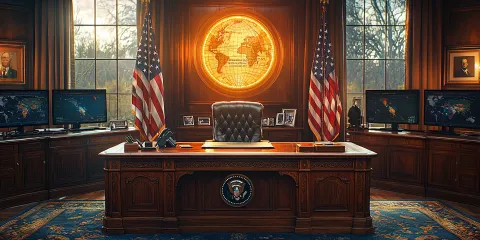
Trump Faces US-Iran Conflict: Foreign Policy Under Strain
Donald Trump's actions in the conflict between the United States and Iran have raised global concerns. His decisions affect not only regional security but also international energy markets, highlighting the diplomatic and economic challenges of his foreign policy.


 +12
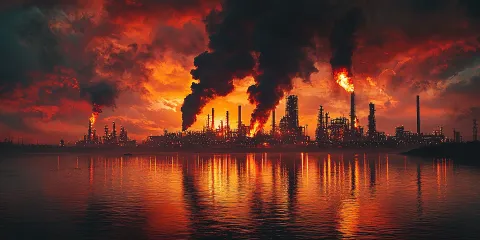
Middle East in Flames: Iran at the Heart of Regional Tensions
Recent confrontations involving Iran and its allies have triggered an escalation in the region, threatening global economic stability. The United States and Israel have multiplied warnings against Tehran, while experts worry about major impacts on the oil market.
 +18
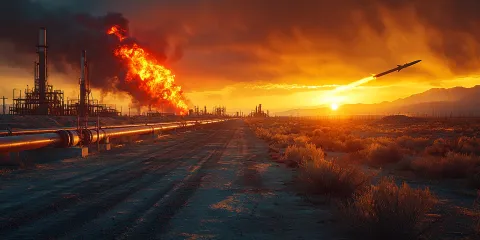
Middle East War: Energy Tensions and Global Crises
Attacks on energy infrastructure in Iran and Qatar trigger a sharp surge in oil and gas prices, intensifying regional tensions and risks of a global economic crisis.
+24
Trump and Iran Tensions: A Head of State Isolated on the International Stage
The Trump administration is at the center of international debates concerning the crisis with Iran, where its approach is criticized by its European allies. This tension highlights divisions between the United States and its partners over how to manage regional crises.
 +17

Middle East Conflict: Iran at the Center of Strikes and Tensions
Israeli airstrikes target Iranian facilities in Iran, Lebanon, and the United Arab Emirates. This escalation of tensions destabilizes the region and affects global oil prices. European diplomacy attempts to prevent further military escalation.
+26Understand global stakes from every perspective.
718 subjects · 75 countries · 8174 perspectives