Turkey — news through its media
Stories followed in this country, with their framing set against the rest of the world.
182 subjects found
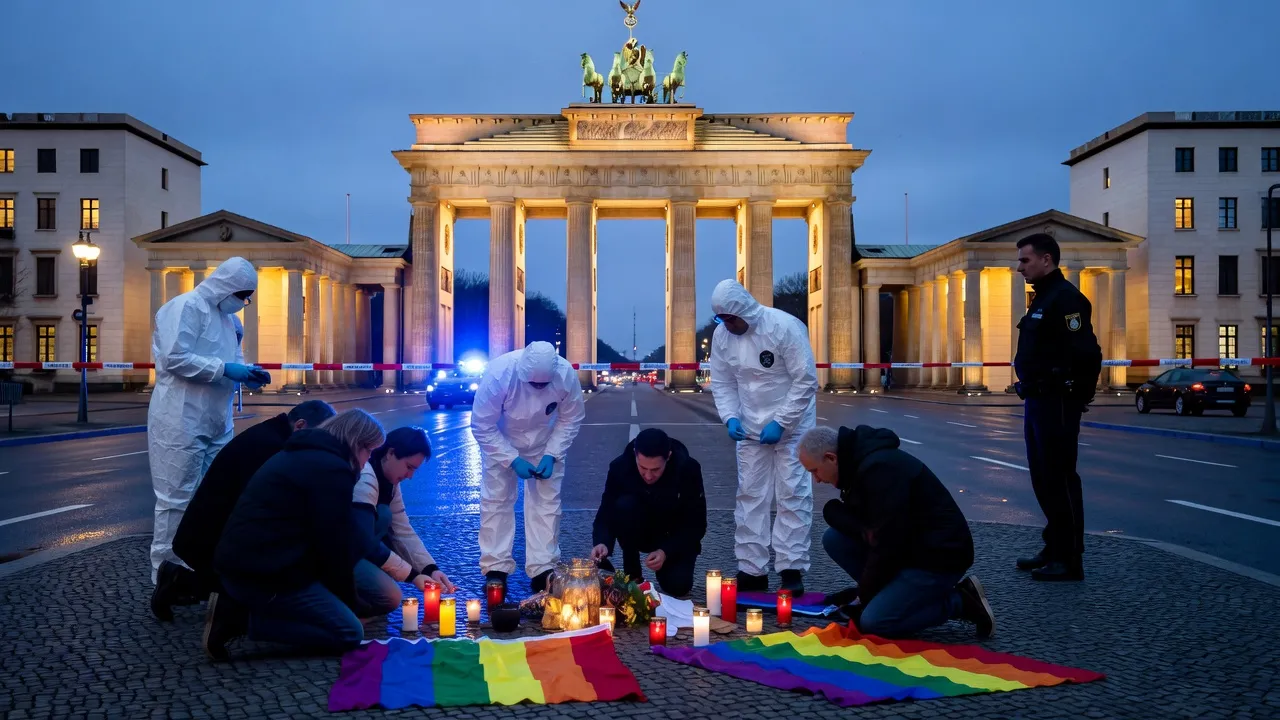
Suspected Berlin Pride attacker shot dead by police
German police on 26 July 2026 shot dead in Spandau 21-year-old Abdul Ballout, the suspected perpetrator of the previous day's vehicle-ramming attack on Berlin's Pride march (one woman killed, up to 29 injured). The interior minister called it an Islamist attack; the suspect's death revives debate over lethal force, his earlier release, and the security of large gatherings.


 +7
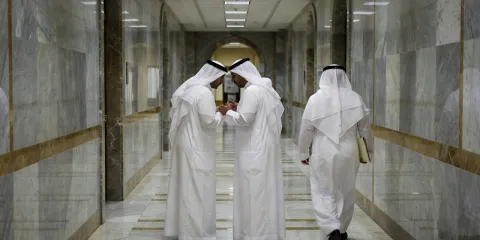
Trump Makes Saudi Nuclear Deal Conditional on Recognizing Israel
A day after Washington and Riyadh signed the "123" civilian nuclear cooperation deal, Donald Trump said its implementation is contingent on Saudi Arabia recognizing Israel and joining the Abraham Accords. The condition stunned Saudi officials and reignites debate over normalization, the Palestinian cause and Middle East proliferation.


 +10
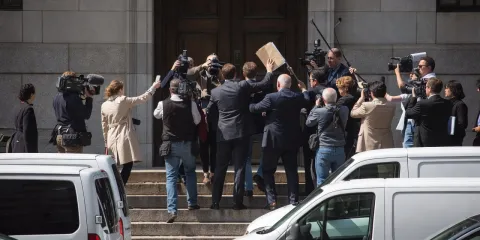
US Court Sets June 1, 2027 for Nicolás Maduro's Drug-Trafficking Trial
Federal judge Alvin Hellerstein of the Southern District of New York set 1 June 2027 as the start of the trial of former Venezuelan president Nicolás Maduro, charged alongside his wife Cilia Flores with narco-terrorism and drug trafficking. Maduro plans to challenge his immunity in November. The ruling revives debate over a US court's jurisdiction over a foreign former head of state and over Venezuelan sovereignty.


 +6

US Tightens Visa Rules for Foreign Students and Journalists
The Trump administration ends open-ended stays and caps the duration of visas for foreign students and journalists, effective September. The move alarms students from India, China, Korea, Bangladesh and beyond, reviving debate over US openness.


 +3

Russian Strikes on Odesa as the Black Sea Battle Intensifies
Russian strikes on Odesa and Kyiv kill civilians, the Black Sea turns into a naval battleground, and the Zaporizhzhia plant's chief engineer is killed in a drone attack Moscow blames on Kyiv; the UN calls June the deadliest month for civilians in four years.

 +2

Trump Drops Strait of Hormuz Toll as Blockade and Strikes on Iran Resume
Washington resumes strikes and a naval blockade of Iranian ports, but Donald Trump abandons his planned 20% toll on cargo through Hormuz after calls from Gulf emirs; Tehran threatens to block other sea lanes, including the Red Sea.
 +15

Deadly wildfires ravage Andalusia
Wildfires fuelled by a severe heatwave tore through southern Spain's Andalusia region, killing at least twelve people and leaving around twenty-three missing, one of the country's deadliest blazes in twenty years.

 +6

Trump lashes out at NATO allies at the Ankara summit
At the NATO summit in Ankara, Donald Trump criticized allies over their stance on the Iran conflict and clashed publicly with Giorgia Meloni. The transatlantic tensions reignited debates over defense spending and the cohesion of the Alliance.
 +6
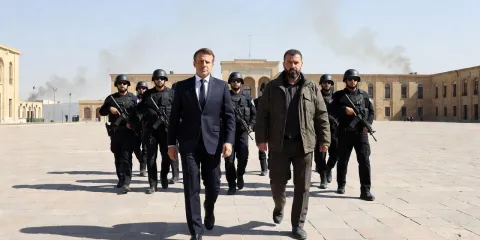
Explosions in Damascus during Macron's visit to Syria
Explosions rocked Damascus during Emmanuel Macron's visit to Syria, wounding several people. The incident, near the presidential palace, underscored the fragility of Syria's post-Assad transition and the symbolic weight of the French visit.
+5
Trump-Putin Call: Washington Offers to Help Broker a Ukraine Deal
On July 4, 2026, Donald Trump and Vladimir Putin spoke by phone for about 90 minutes. According to the Kremlin, the U.S. president offered to help Moscow reach a deal on Ukraine, while Putin reaffirmed his claim to all of Donbas. Trump also spoke with Volodymyr Zelensky. From Kyiv to Beijing, readings of the call diverge sharply.
+13
Iran: State Funeral for Supreme Leader Ali Khamenei
Iran opens a week of national mourning for Ayatollah Ali Khamenei, killed during the war. Millions pour into Tehran amid an unresolved succession question and warnings against any U.S. or Israeli strike.
+8Understand global stakes from every perspective.
718 subjects · 75 countries · 8174 perspectives