Every angle on the news
Every story decoded through media worldwide, perspective by perspective.
725 subjects found
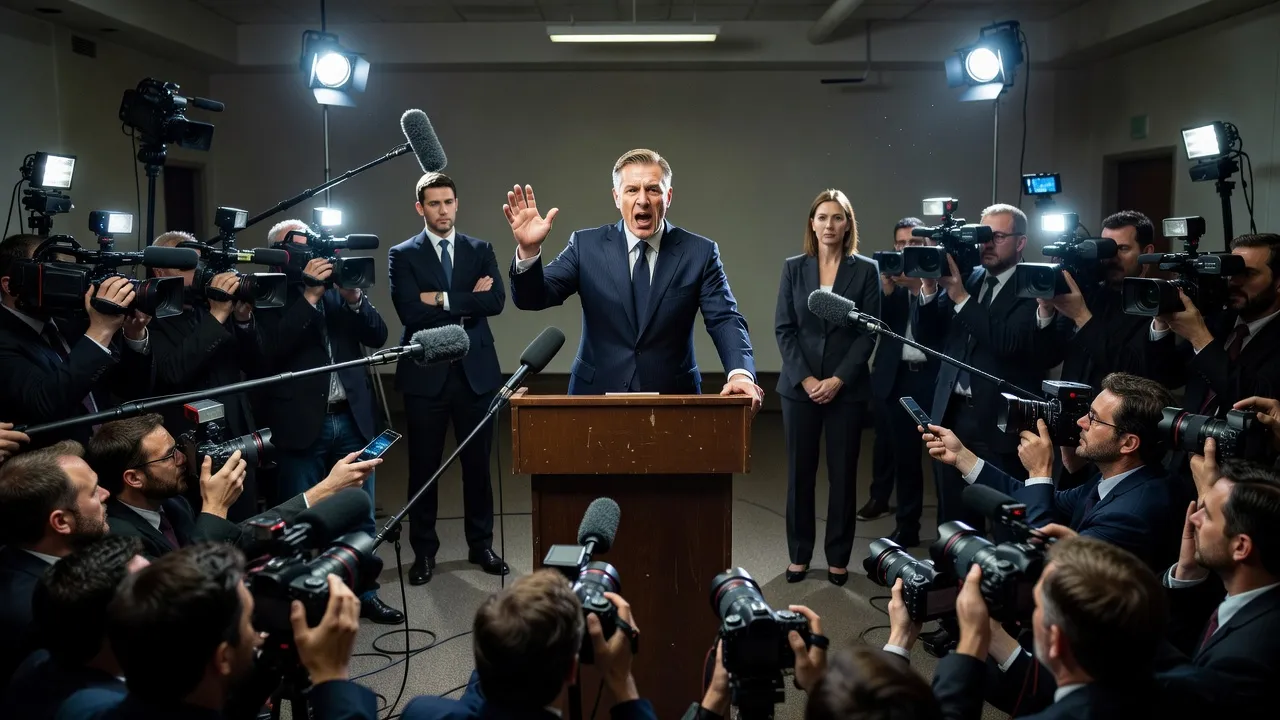
Newsom Accuses Trump of Ordering a Federal Investigation Against Him
California Governor Gavin Newsom accused President Donald Trump of ordering a federal investigation targeting him and his wife, reviving debate over the political use of the justice system against a rival.



 +5
+5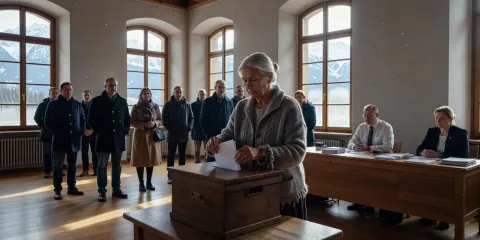
Switzerland: Voters Reject Capping the Population at 10 Million
Swiss voters rejected an initiative to cap the country's population at 10 million, defeating an anti-immigration proposal tied to free movement with the EU in a closely watched referendum.

 +3
+3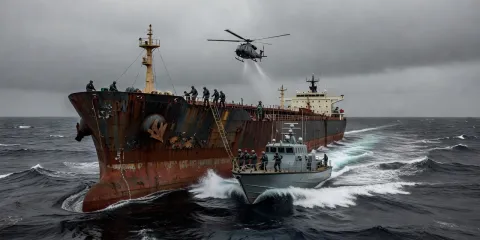
UK Intercepts a Russian Shadow-Fleet Tanker in the Channel
The United Kingdom intercepted a Russian oil tanker linked to Moscow's shadow fleet in the English Channel, intensifying Western efforts to enforce sanctions and counter evasion at sea.

 +7
+7
The UK Bans Social Media for Under-16s
The United Kingdom is banning social media for under-16s, an online-safety measure reigniting debate over age verification, free speech and Big Tech responsibility.

 +7
+7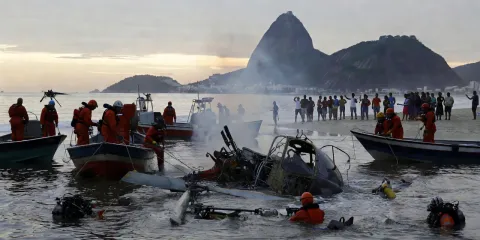
Rio: Helicopter Collision Kills Six, Including Singer Oliver Tree
A helicopter collision over Rio de Janeiro killed six people, including American singer Oliver Tree, prompting international reactions and questions over air safety in Brazil.
 +2
+2
Hungary: Orbán Re-elected Fidesz Leader Despite Election Defeat
Viktor Orbán was re-elected leader of his Fidesz party, keeping control despite losing the national election, reviving questions about Hungary's political future and its place in the European Union.

 +2
+2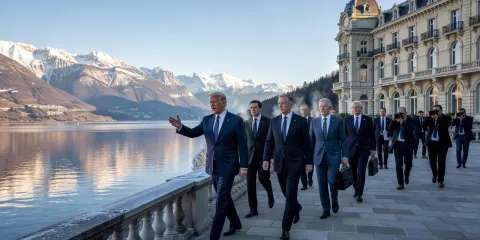
G7 Opens in Évian: Ukraine, the Iran Deal and Trump's Tariff Threat
The G7 summit opened in Évian, dominated by the war in Ukraine, the new Washington-Tehran agreement, and Donald Trump's threat of 100% tariffs on French wine and big tech.
 +9
+9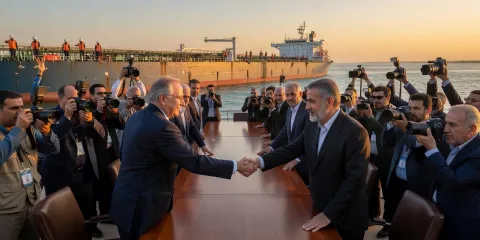
US-Iran Peace Deal Finalized: End of Operations and Hormuz Reopening
The United States and Iran finalized a peace deal calling for an immediate halt to military operations and the reopening of the Strait of Hormuz, pushing oil prices lower as Europe warned over the nuclear file.
+14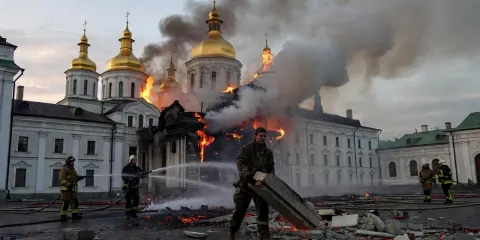
Kyiv: Russian Strikes Destroy UNESCO Heritage Site as Ukraine Hits Crimea
Russian strikes killed several people in Kyiv and set ablaze the UNESCO-listed Kyiv-Pechersk Lavra monastery, while Ukraine struck bridges in occupied Crimea — an escalation now reaching cultural and religious heritage.
+7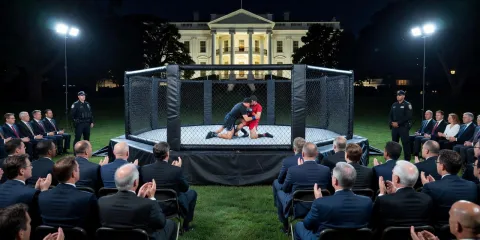
Trump Turns 80 with a UFC Cage Fight on the White House Lawn
Donald Trump marked his 80th birthday by hosting a UFC mixed-martial-arts fight on the White House lawn, an unprecedented spectacle blending presidential power and mass entertainment.
+11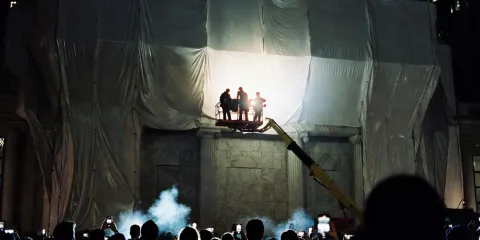
Trump's Name Torn From the Kennedy Center at Dawn as US Courts Undo His Symbolic Engravings
Behind tarps and to chants of 'Take it down!', workers pried off the 18 gold letters 'THE DONALD J. TRUMP AND' overnight. A judge ruled only Congress can rename the landmark. The same weekend, another court ordered slavery signage restored in the national parks.

 +19
+19Understand global stakes from every perspective.
725 subjects · 75 countries · 8262 perspectives