Every story decoded through media worldwide, perspective by perspective.
87 subjects found
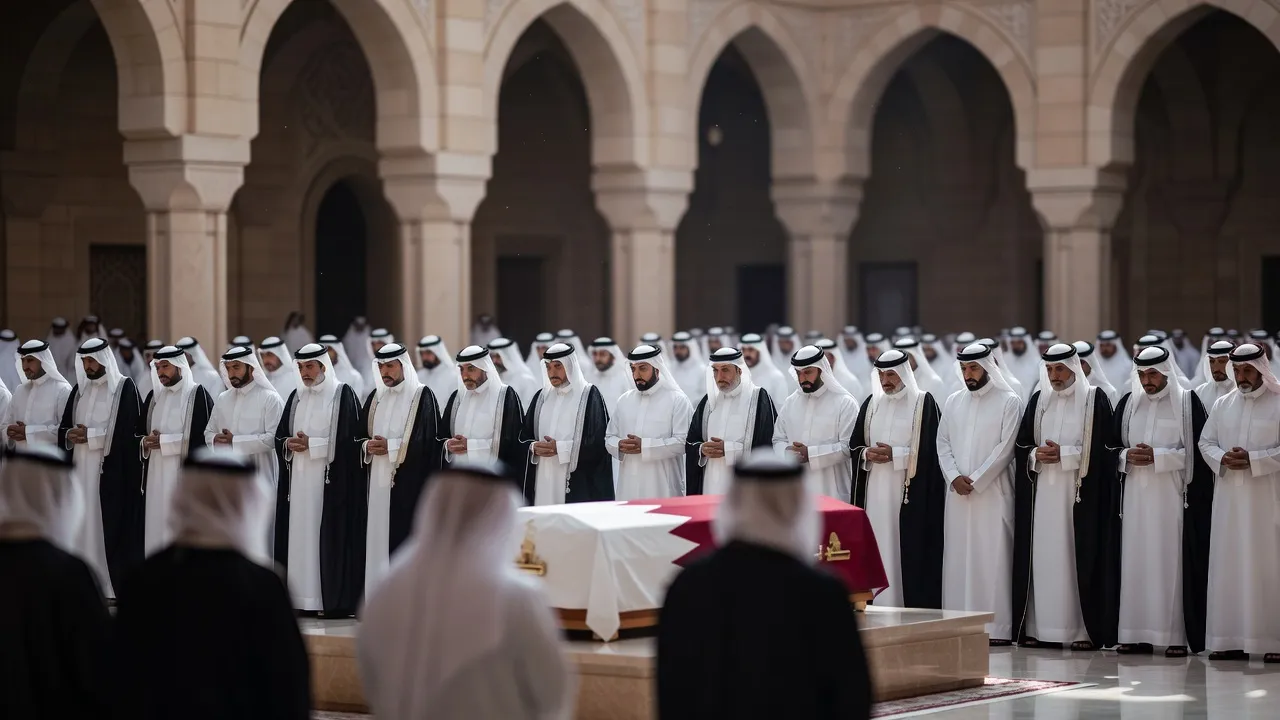
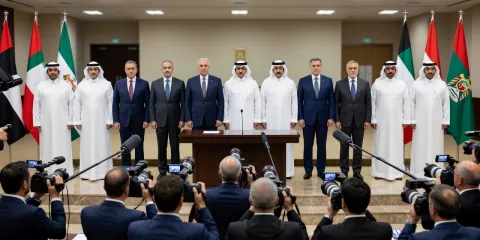
Qatar's former emir, who lifted the small emirate onto the world stage (Al Jazeera, gas, mediations) before abdicating in 2013, has died. Six viewpoints — from regional mourning to geopolitical reckoning — on a reign that reshaped the Gulf.
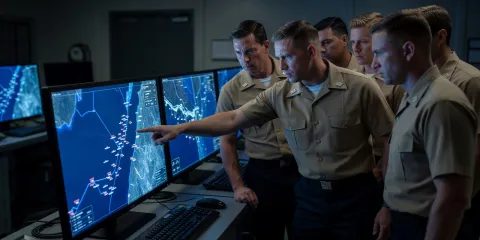
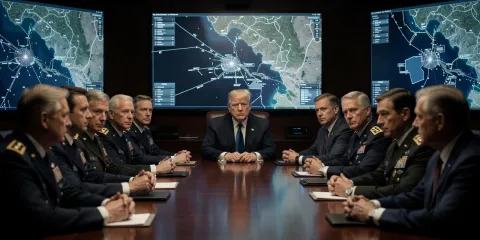
Washington launches fresh strikes on Iran; Tehran declares Hormuz closed and targets the Gulf. Eight national viewpoints — from American resolve to Iranian retaliation — on an escalation rattling oil markets.
The United States launched fresh strikes on Iran, which retaliated by hitting US bases in the Gulf and attacking Bahrain and Kuwait. A Saudi tanker was struck in Hormuz, oil jumped 7 percent, and Trump now threatens Iran's infrastructure.
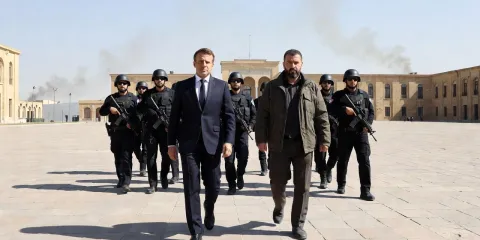
Explosions rocked Damascus during Emmanuel Macron's visit to Syria, wounding several people. The incident, near the presidential palace, underscored the fragility of Syria's post-Assad transition and the symbolic weight of the French visit.
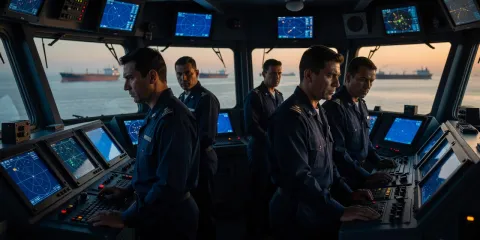
The United States launched strikes on Iranian targets following a series of attacks on commercial ships in the Strait of Hormuz. The escalation in the Gulf drew sharply divided reactions, from Western backing to condemnation and calls for de-escalation.
On July 4-5, 2026, Germany's AfD held its federal congress in Erfurt and re-elected co-leaders Alice Weidel and Tino Chrupalla, flaunting its ambitions for power. Some 20,000 demonstrators converged to block the event; police clashed with left-wing protesters, deploying tear gas and leaving several injured, including journalists. From Berlin to Brussels, the rise of the German far right raises concern.
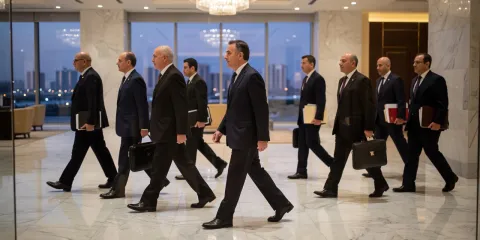
Indirect technical negotiations between Washington and Tehran wrapped up in Doha, focused on the Strait of Hormuz. Mediator Qatar cites positive progress and talks will continue. Six countries read the same diplomatic handshake — very differently.
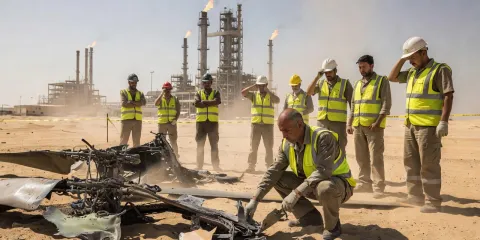
A Saudi Aramco helicopter crashed near Ras Tanura, killing 14 and striking a central player in the global oil industry.
Bahrain accuses Iran of striking a naval base with drones as a ship was hit in the Strait of Hormuz. Egypt and Gulf states condemn the attacks and the US-Iran truce wavers.
Washington carried out fresh strikes on Iran in retaliation for an attack on a cargo ship in the Strait of Hormuz. Tehran vows to respond, shaking the ceasefire and threatening the strategic oil route.
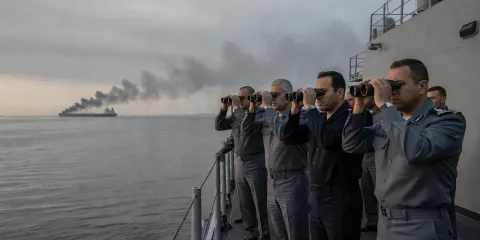
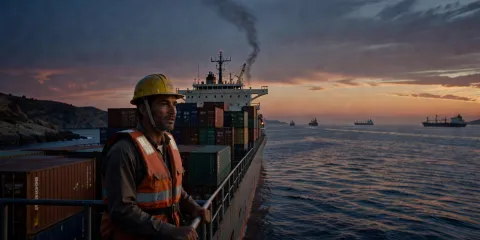
A projectile strikes a cargo ship in the Strait of Hormuz: the UN's maritime agency abruptly halts the evacuation of 11,000 sailors, Washington blames Iran, and the peace won a week ago is already wobbling.
Understand global stakes from every perspective.
726 subjects · 75 countries · 8278 perspectives