
DOMINANT ANGLE
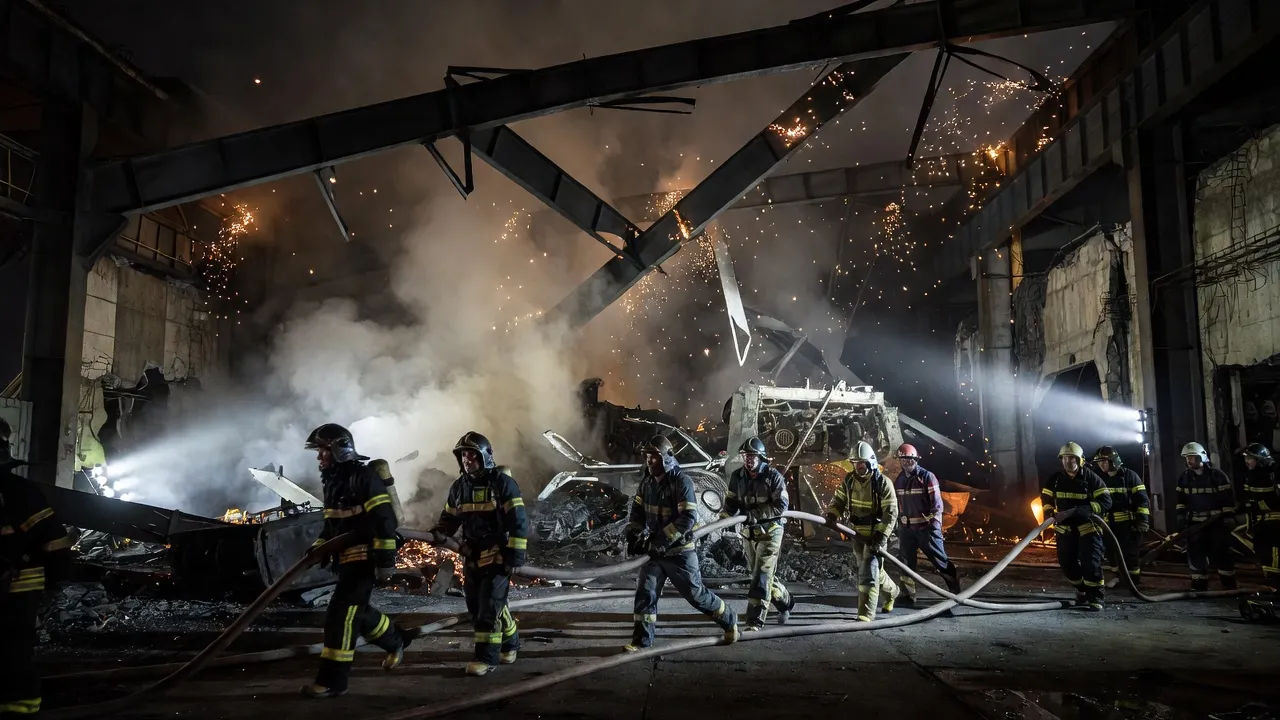
Ottawa is gauging the solidity of the ceasefire on the ground: the Kharkiv power plant struck in the evening of October 11 is causing the Canadian press to doubt an agreement that Moscow has not confirmed.
Dominant angle identified — does not reflect unanimity of this country’s media
KEY POINTS
- 01
Trump announced a "ENERGY CEASEFIRE" on Sunday, October 11, effective "immediately", with no details; Moscow had not confirmed (National Post, Globe and Mail).
- 02
A power plant in Kharkiv (CHP-5) was hit in the evening and a plant in Kiev was struck by a drone; the presidential office places the attack after Trump's publication.
- 03
Zelensky discussed the announcement with Mark Carney, Alexander Stubb, and Mark Rutte, and says he is ready to stop striking Russian refineries if Moscow stops its strikes on Ukrainian energy.
ANALYSIS
Ottawa, October 12, 2026. On Sunday, October 11, Donald Trump announced on Truth Social that an "energy ceasefire" was taking effect "immediately" in the war between Russia and Ukraine. The Globe and Mail notes that the brief message provided no details: "Both parties have agreed. Do not break it!" Moscow had not reacted immediately, and the White House neither clarified nor expanded on the post, Global News reports.
The Canadian narrative quickly shifts to the ground. According to the National Post, Volodymyr Zelensky expressed his surprise and sought clarification, while Russia had not confirmed its agreement. In his evening address, the Ukrainian president described a sky "infested with Russian shaheds" all day, with gliding bombs and strikes on energy infrastructure. A power plant in Kharkiv, the CHP-5, was hit, and a power plant in Kiev suffered a drone strike, causing outages in the capital. The presidential office confirmed that the attack on Kharkiv followed Trump's post.
Kiev says it is in favor of the ceasefire. Zelensky assures that Ukraine is ready to refrain from striking Russian energy, and, in an interview with ABC, to stop targeting refineries if Moscow stops attacking the Ukrainian network. He asked Trump to pressure the Kremlin to agree.
The national dimension is discreet but present: Zelensky indicated that he had discussed the announcement with Prime Minister Mark Carney, Finnish President Alexander Stubb, and NATO Secretary General Mark Rutte, and was waiting for information from Washington.
The newspapers put the announcement into the recent sequence of events. The National Post recalls that it comes two days after the temporary easing of US sanctions on Russian diesel, which had provoked the anger of Kiev and its European allies, and that Trump attributes the rise in diesel prices to Ukrainian strikes on Russian refineries, with a risk for his party in the US elections. On Saturday, October 10, Trump had said it was time for Ukraine to have a new president, Global News reports. Canadian media also relay the Ukrainian phrase "weaponizing winter" to describe Russia's strategy of depriving civilians of electricity, heating, and running water.