
DOMINANT ANGLE
Australia first measures a domestic risk: SBS warns that the exclusion of CNN, Politico and MS NOW could disrupt the image-sharing agreements linking Australian newsrooms to the banned American channels.
Dominant angle identified — does not reflect unanimity of this country’s media
KEY POINTS
- 01
Trump banned CNN, Politico, and MS NOW from the White House last week, citing "fake news" and a threat to national security without evidence.
- 02
The three media outlets have filed a lawsuit citing the First Amendment; other major networks have suspended pool coverage in solidarity.
- 03
SBS notes that the decision could affect Australian media organisations, including SBS, which are linked by sharing agreements with US media outlets.
ANALYSIS
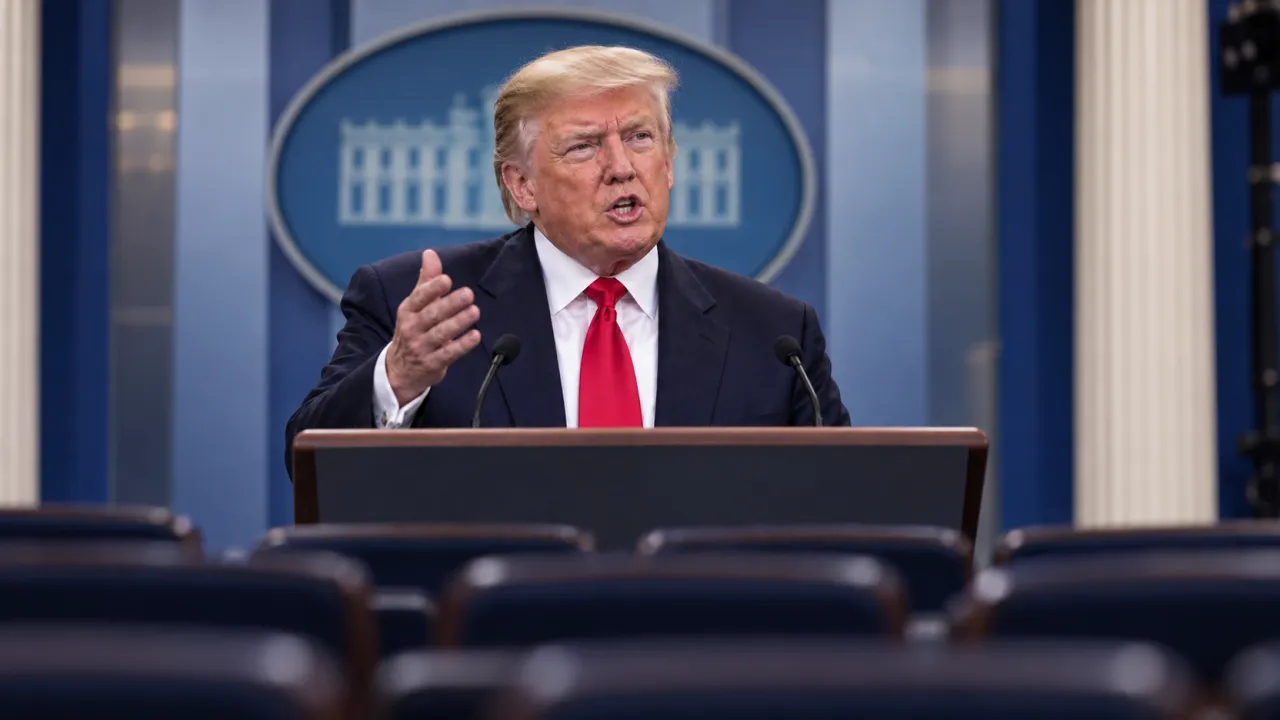
Canberra, 23 September 2026. The showdown between Donald Trump and a portion of the American press has made its way into Australian newsrooms. According to SBS News, the president banned CNN, Politico, and MS NOW (formerly MSNBC) from the White House last week, accusing them of spreading "fake news" and citing a "threat to national security" without providing evidence. The three media outlets have filed an appeal citing the First Amendment, which protects press freedom. In a show of solidarity, other major networks have suspended their participation in the pool coverage of presidential events, a system where images are shared between competing newsrooms.
It is precisely this mechanism that is causing concern in Australia. SBS notes that the decision could affect Australian media organisations, including SBS, which have sharing agreements with American media outlets. In other words, the exclusion decreed in Washington could deprive some Australian newsrooms of access to images they had previously been able to access.
The Sydney Morning Herald and The Age, in an article by a correspondent based in New York, are downplaying the image of openness that the White House has cultivated. The journalist recalls being able to, as a "foreigner representing a foreign media outlet", question the president on the South Lawn during each departure by Marine One helicopter, an access deemed unprecedented, even compared to the Biden administration. However, he notes that this level of access has mainly benefited a growing number of supporters close to power, while the press room has been opened up to "new media" favourable to the president's line, as the White House has taken control of the daily pool allowed into the Oval Office.
On the ground, the tension is also taking a sonic turn: during the inauguration of a new heliport on the White House lawn, Trump's speech was covered by the noise of the helicopters, according to The Age.
For the Australian press, the episode therefore goes beyond a mere American quarrel: it questions the solidity of the information-sharing mechanisms that foreign newsrooms rely on to cover Washington, and the ability of American courts to settle a dispute that affects, by extension, global access to presidential information.