
DOMINANT ANGLE
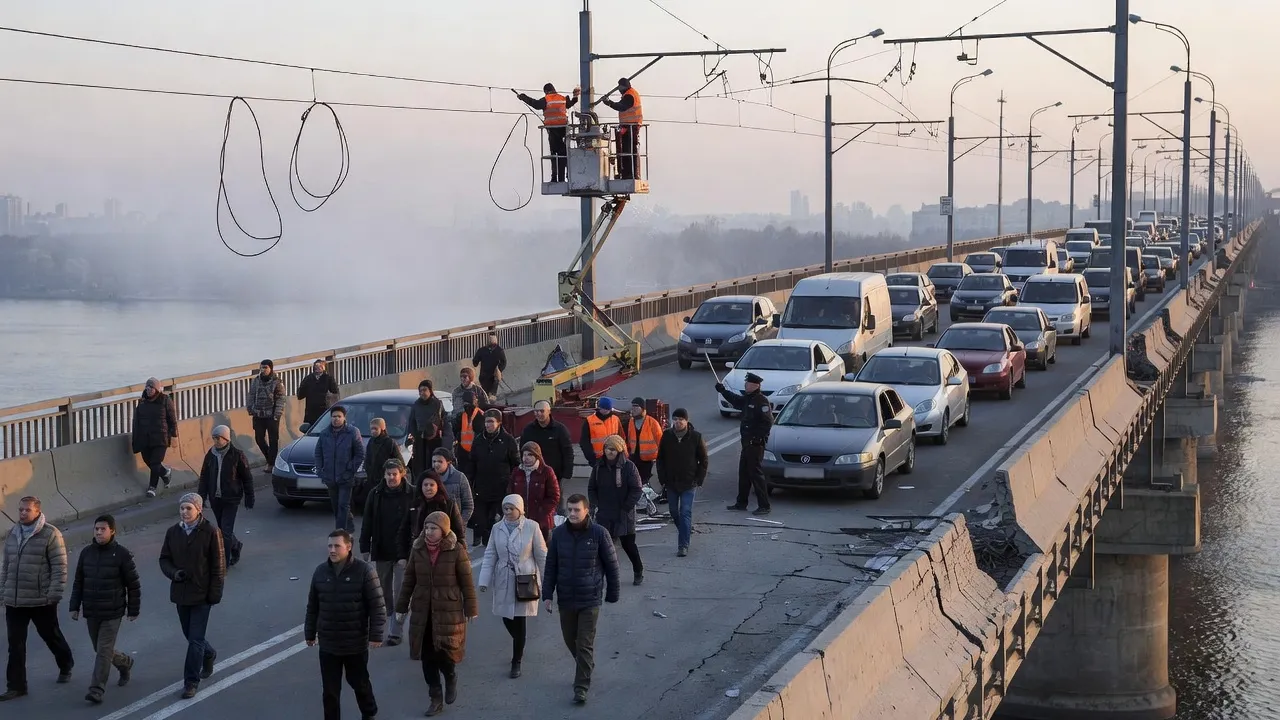
Lisbon highlights the human and daily cost of the escalation over Kiev: bridges hit, foreigners invited to leave and fear of a winter of attacks on infrastructure.
Dominant angle identified — does not reflect unanimity of this country’s media
KEY POINTS
- 01
Two bridges in Kiev were hit by drones in 24 hours, according to RTP News.
- 02
The Russian Ministry of Foreign Affairs again asked diplomats and foreigners to leave Kiev and announced "massive retaliatory strikes".
- 03
Klitschko described the situation as "extremely dramatic" and Ukraine is described as regularly attacking Russian refineries, which has contributed to a fuel crisis in the summer.
ANALYSIS
Lisboa, October 4, 2026. The Portuguese press is following the escalation over Kiev mainly through the prism of the cost to the population and the warning addressed to foreigners. RTP Notícias reports that two bridges in the Ukrainian capital were hit by drones in 24 hours and recalls that Moscow warned diplomats and foreign citizens that they are at risk. According to the broadcaster, the threat repeats the one made in May, but comes at a time when Russian bombings are increasing. The Ukrainian president, RTP writes, says that Russia wants to make it impossible to live in Kiev.
The Jornal Económico and SAPO Notícias, which publish the same dispatch, detail the statement from the Russian Ministry of Foreign Affairs. Moscow has again asked diplomats and foreigners to leave the city and announced that its forces will continue to carry out "mass retaliatory attacks" against "military targets in Kiev and other Ukrainian cities". The Russian text adds that responsibility for any consequences "falls entirely on those who ignore this warning".
The newspapers quote the mayor of Kiev, Vitaly Klitschko, who described the situation on Friday as "extremely dramatic" and said that Moscow is "devastating" the city by systematically attacking its infrastructure and logistics. The attacks have hit bridges and caused major traffic congestion, which poses the problem of daily mobility in a city divided by the Dnieper.
The horizon projected by the press is that of Winter. The Ukrainian authorities fear, above all, the arrival of a critical period in which Russia may strike a severe blow against the country's energy infrastructure, "as happened in 2025". The coverage also notes, in contrast, that Ukraine regularly attacks refineries and oil depots in Russia, which has helped trigger a fuel crisis this summer, as well as commercial warehouses and cargo ships.
In the Portuguese texts, the diplomatic dimension and ongoing negotiations are left out of the account: the focus is on the bridges, the warning to foreigners, and the fear of Winter, with the economic reading limited to the effect of the attacks on Russian refineries.