
DOMINANT ANGLE
Brasilia is deciphering Putin's proposal as a three-way diplomatic maneuver involving Washington, Moscow, and Beijing, where the Russian-American rapprochement carries more weight than the APEC schedule.
Dominant angle identified — does not reflect unanimity of this country’s media
KEY POINTS
- 01
According to the WSJ as reported by Veja, Putin made the proposal during a call with Trump on October 9, for a summit in Shenzhen on the sidelines of APEC (November 18-19).
- 02
Peskov confirms discussions but states that there is still no clear understanding of the meeting or its agenda, despite a "hypothetical possibility" acknowledged by the three parties.
- 03
Rubio, questioned on Monday, October 19, in Samarkand, says the president is "open to anything" to end the war but does not know if anything has been defined.
ANALYSIS
Brasília, October 19, 2026. The Brazilian press is reporting on information from the Wall Street Journal: Vladimir Putin allegedly proposed to Donald Trump, during a phone call on October 9, a three-way summit with Xi Jinping to negotiate the end of the war in Ukraine, which has entered its fifth year. Veja, which relayed the story from the American daily on Sunday, October 18, reports that the meeting is set to take place in November in Shenzhen, on the sidelines of the Asia-Pacific Economic Cooperation (APEC) forum, scheduled for November 18 and 19.
The magazine emphasizes the context: the proposal comes at a time of renewed contact between Washington and Moscow. According to Veja, Donald Trump announced an agreement to purchase Russian diesel and signed a decree on Friday suspending significant sanctions against Russia. The WSJ, cited by Veja, relies on a former Russian intelligence official familiar with the case and specifies that the October 9 call also resulted in an agreement on diesel. The American and Russian authorities had not, at this stage, officially confirmed the proposal.
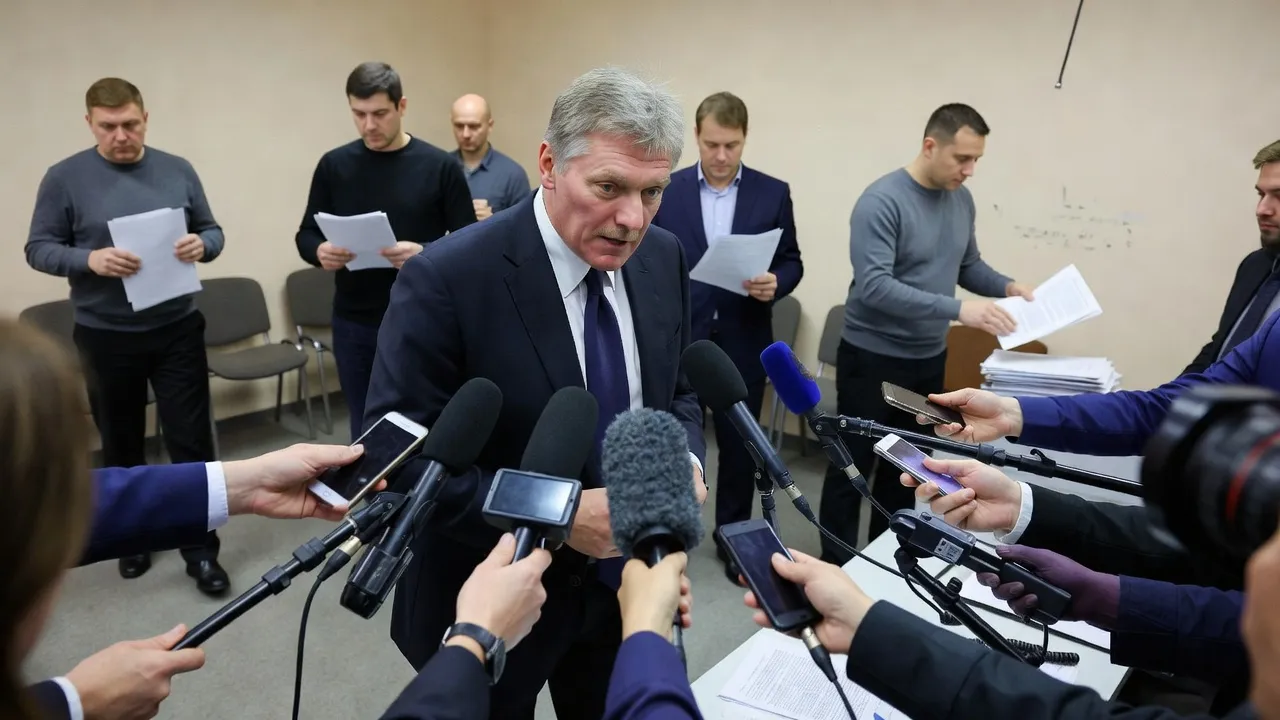
The Kremlin spokesperson, Dmitri Peskov, confirmed to the newspaper that discussions were taking place about a possible meeting. However, he tempered this by saying, "There is not yet a clear understanding of the meeting itself or its agenda," even if the three parties recognize the "hypothetical possibility" of such a meeting, as cited by Veja.
Estadão quotes Secretary of State Marco Rubio, who was interviewed on Monday, October 19, in Samarkand, Uzbekistan. His response is cautious: "I don't know. I think there have been conversations about a meeting. I don't know if anything has been defined." He adds that the American president "is open to anything that can help end the war" and that Washington has been committed to facilitating it for nearly two years. Rubio acknowledges that the negotiations have not advanced as desired, "but it's not for lack of trying."
The Brazilian coverage remains that of a chancellery report: who proposed, when, where, and what each capital confirms. The meeting is presented as a hypothesis that has not yet been finalized, and the Brazilian press consulted does not dwell on the reactions of Kiev or the Europeans.