
DOMINANT ANGLE
New Delhi sees the proposal for a three-way summit as a diplomatic format maneuver, mainly relaying the statements of the Kremlin and Kiev without including its own position.
Dominant angle identified — does not reflect unanimity of this country’s media
KEY POINTS
- 01
According to the Wall Street Journal, the proposal for a summit came from a Putin-Trump call on October 9, which also reportedly led to an agreement on the purchase of Russian diesel by the United States.
- 02
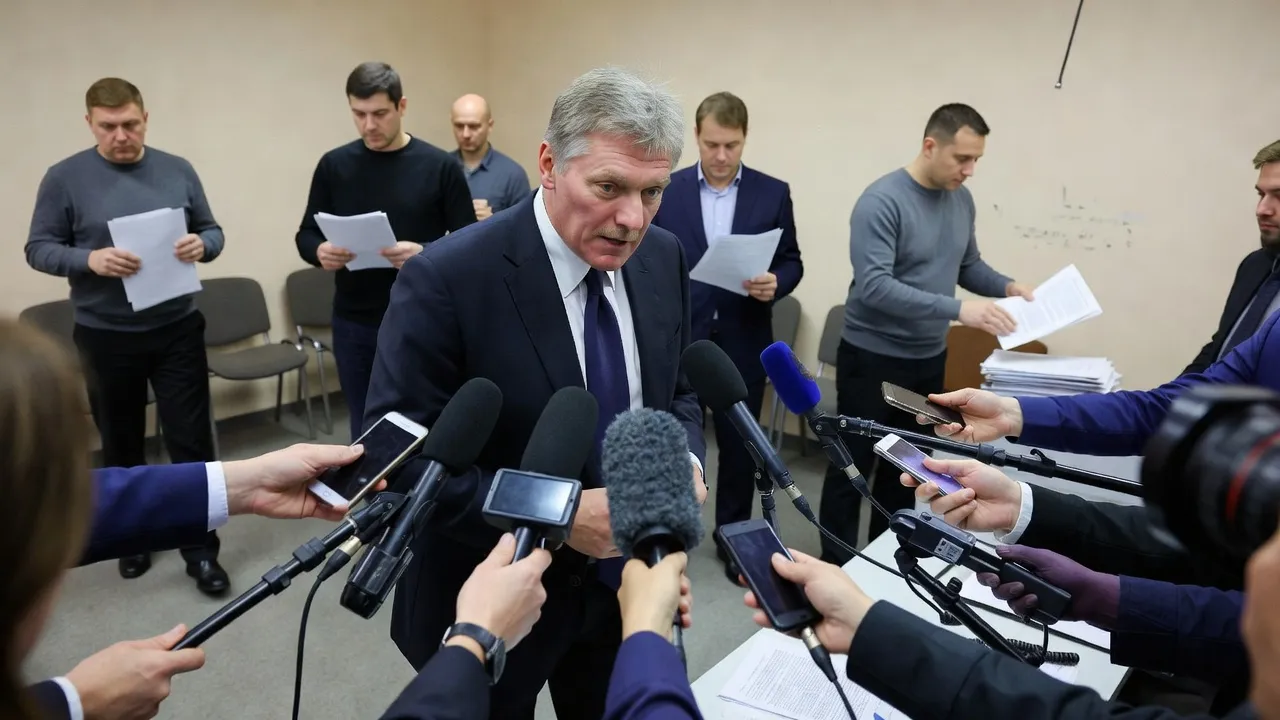
Dmitri Peskov confirmed on Monday that the idea of a three-way meeting on the sidelines of APEC in China had been discussed, but without a specific proposal.
- 03
Andriï Sybiha believes that a Russia-China-United States format would "encourage Putin to continue this war".
ANALYSIS
New Delhi, October 19, 2026. The Indian press reports on Vladimir Putin's proposal through two factual dispatches, backed by the Wall Street Journal and the Kremlin's statement. According to the American daily, cited by The Hindu BusinessLine, the Russian president suggested a summit next month with Donald Trump and Xi Jinping to negotiate the end of a four-year conflict, whose outcome would favor Moscow. The idea allegedly emerged during a phone call on October 9 with Trump, which also resulted in an agreement allowing the United States to buy Russian diesel and facilitate its sale on the global market. The newspaper relies on a former Russian intelligence officer.
The Times of India relayed on Monday the confirmation by Dmitri Peskov: a three-way meeting could take place on the sidelines of the APEC summit in China next month. The Kremlin spokesperson immediately tempered the statement: the subject of such a meeting "hypothetical" was indeed discussed, but "no specific proposal or agreement" was put forward, either on the meeting itself or its agenda. He also conceded that a final settlement is "impossible without the participation of someone in Kiev willing to take responsibility".
The Ukrainian reaction occupies a central place in the narrative. Foreign Minister Andrii Sybiha opposes, in a message on X, a Ukraine-US-Russia meeting, which "could help end the war more quickly", to a Russia-China-US format that would "do the opposite: encourage Putin to continue this war". The newspaper notes that Kiev considers Ukraine's absence to be contrary to peace efforts.
The role of Beijing, potential host of the meeting, is presented in a factual manner, without commentary on India's position or its own ties with Moscow and Washington. The Times of India only recalls that the last US-mediated peace talks date back to February, before the start of the US-Israeli offensive against Iran.
The chosen angle is therefore that of a diplomatic maneuver: who sits at the table, where, and in what format. The energy aspect, the purchase of Russian diesel, appears only as an element of the October 9 call, without being developed. The coverage remains brief and sticks to the statements of the protagonists.