
DOMINANT ANGLE
Brasília is dissecting the judicial mechanics of the decision: an emergency suspension, an in-depth examination in December, and a 6-to-3 split, more than a debate on the fate of the expelled.
Dominant angle identified — does not reflect unanimity of this country’s media
KEY POINTS
- 01
The Supreme Court suspended Judge Brian Murphy's decision on Tuesday, September 29, and will review the case in December (Folha, G1, Jornal de Brasília).
- 02
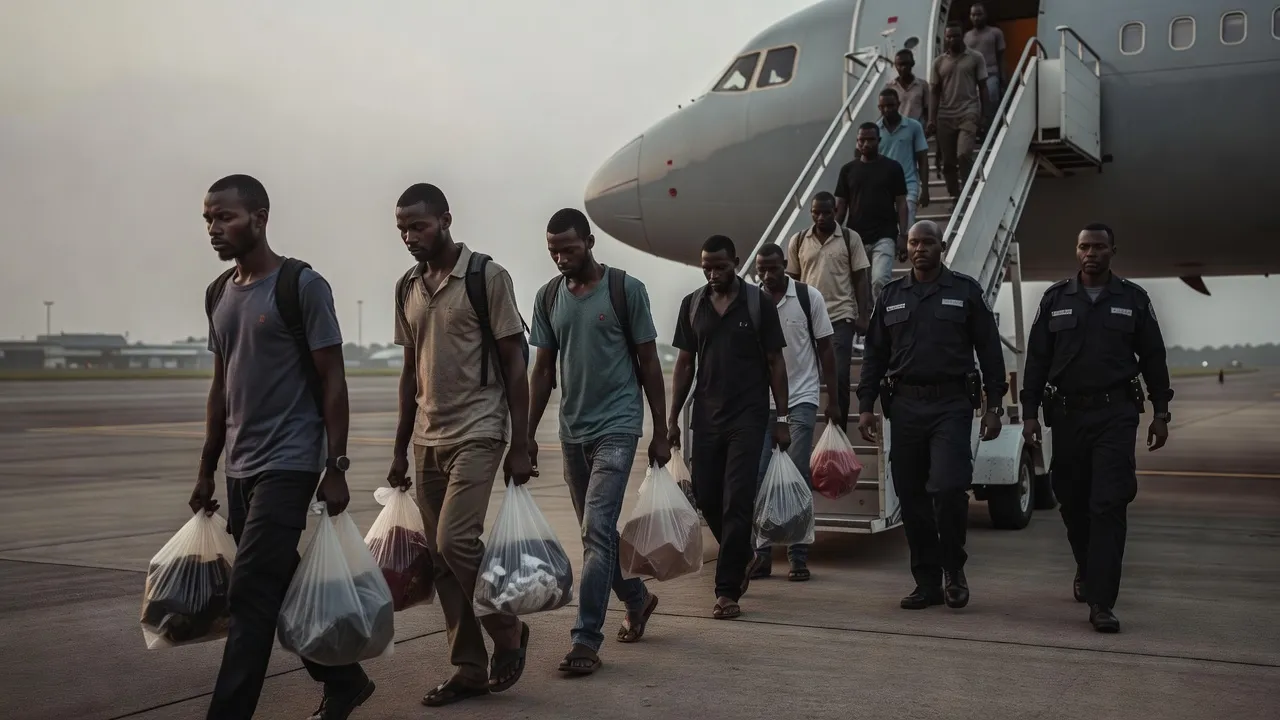
Over 25,000 migrants have been expelled to 29 countries, according to human rights organizations, with the vast majority being sent to Mexico (Folha, G1).
- 03
According to G1, authorities only assess the risk of persecution or torture if the migrant themselves reports fearing such violence.
ANALYSIS
Brasília, September 30, 2026. The Brazilian press reports on the decision of the US Supreme Court on a largely procedural matter. On Tuesday, September 29, according to Folha de S.Paulo and G1, the Court authorized the Donald Trump government to resume deporting migrants to countries that are not their own, without giving them the opportunity to argue the threats they face there.
The articles detail the judicial mechanism. The Court granted the emergency request from the Justice Department and suspended the decision of Boston federal judge Brian Murphy, who had ruled that the Department of Homeland Security's "third country" policy was illegal. Jornal de Brasília, quoting AFP, specifies that the judge had established in February that the individuals concerned must be able to invoke a risk of persecution or torture, and that an appeals court had confirmed this decision on September 18. The Court will examine the merits of the case in December.
The internal division within the court is reported in numerical terms: a conservative majority of 6 judges to 3, with the three progressive judges expressing their disagreement with the immediate resumption of deportations pending the outcome of the dispute.
G1 devotes a sidebar to the practical application: a migrant can be sent to a third country if the government of that country guarantees the absence of persecution or torture; otherwise, the person must be informed of their destination. The authorities only examine the risks if the individual themselves claims to fear such violence. Immigrant advocacy groups are challenging the system in court.
The administration's argument is relayed through its legal advisor, John Sauer, quoted by AFP: the initial decision caused "significant logistical problems" and led to the cancellation of a flight to three countries carrying 70 foreigners with criminal convictions. He describes these deportations as an "essential tool" for expelling "some of the worst foreign criminals".
On the balance sheet, the Brazilian press quotes the tally from human rights organizations: more than 25,000 migrants deported to 29 countries since the policy was implemented last year, mostly to Mexico. G1 also cites Uganda, Equatorial Guinea, Liberia, the Central African Republic, and South Sudan. These deportations, writes Folha, are part of Trump's goal of mass expulsions.






