DOMINANT ANGLE
Jerusalem takes a firm stance on security: the Taybeh attack is presented as a failure of the army and police to protect during the olive harvest, rather than a dispute with Europe.
Dominant angle identified — does not reflect unanimity of this country’s media
KEY POINTS
- 01
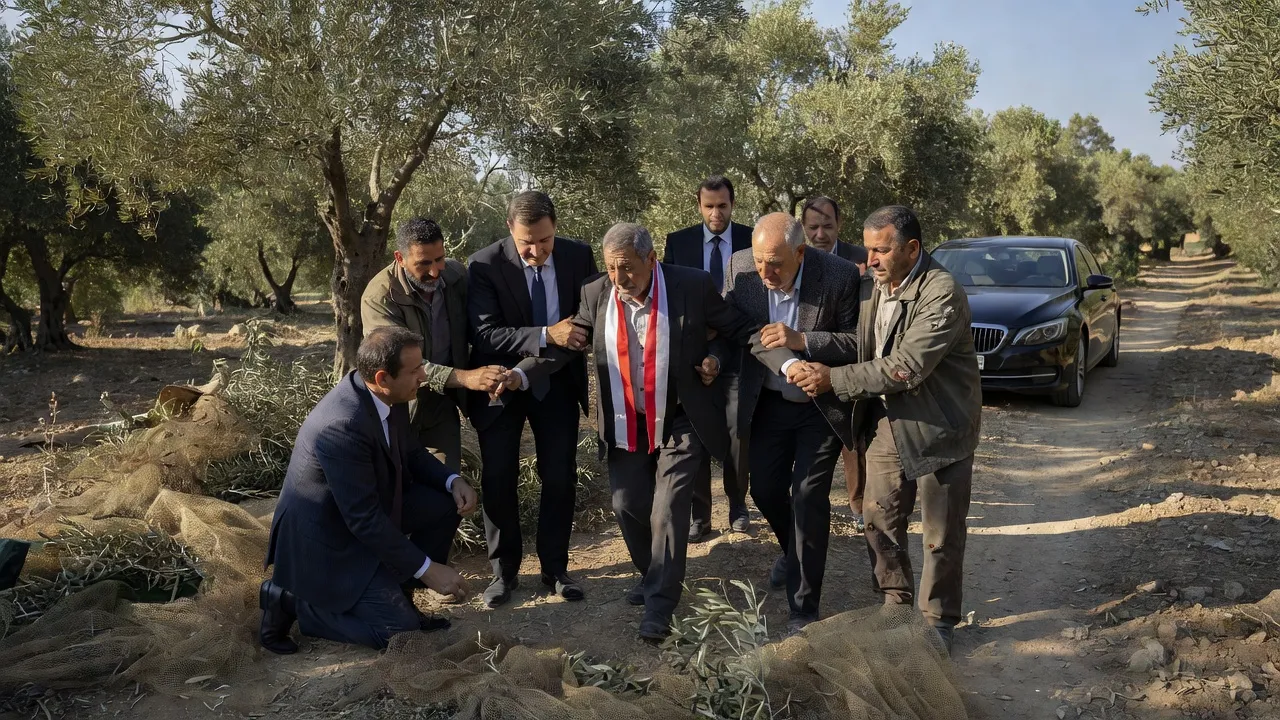
According to Army Radio, as cited by the Jerusalem Post, around seven masked settlers attacked Palestinian olive pickers near Taybeh, in the presence of the French consul and Belgian and Polish diplomats.
- 02
An Israeli witness claims to have alerted the army in real time, which "did not arrive or respond"; the police have opened an investigation.
- 03
Belgian Minister Maxime Prévot is calling for sanctions against those responsible and states that "the impunity of violent settlers must end".
ANALYSIS
Jérusalem, October 17, 2026. In the Israeli press, the attack on Taybeh is first reported as a security failure on the ground, in the heart of the olive harvest. The Jerusalem Post, citing Army Radio, mentions "approximately seven masked settlers" who allegedly attacked, on Saturday, Palestinian olive pickers near the village of Taybeh, in the presence of French diplomats, including the French consul in Jérusalem, as well as Belgian and Polish diplomats. According to Army Radio, the settlers also smashed the windshield of a vehicle from the Belgian consulate.
Haaretz, for its part, reports that a delegation of European diplomats and public figures was attacked by masked settlers in this Christian village near Ramallah. The newspaper quotes Israeli activist Amit Orfali: "Seven masked settlers armed with clubs surrounded our vehicles, hit them, threatened us with death, and demanded to see our identity papers."
The Jerusalem Post also publishes the testimony of an Israeli activist who was present at the scene: the settlers blocked them, surrounded the vehicle, and demanded their identity cards. "We informed the army in real time, but it did not arrive or respond," she writes. The daily recalls that the Israeli army had completed its preparations for the harvest earlier in October, fearing nationalist violence and clashes between Palestinians and settlers.
The Israeli police have opened an investigation and transmitted the details of the incident to the Ministry of Foreign Affairs. The title also emphasizes that the Israeli army condemns the violence of the settlers. On the European side, Belgian Foreign Minister Maxime Prévot condemned the attack and announced that Brussels would continue to advocate for sanctions against "those responsible for this violence and those who support it." He added that "the impunity of violent settlers must end" and that these attacks "cannot be dissociated from Israel's illegal colonization policy."
In these two titles, the common thread remains the ability of the army and police to protect civilians and foreigners during the harvest, rather than the diplomatic quarrel with European capitals.





