Singapore — news through its media
Stories followed in this country, with their framing set against the rest of the world.
324 subjects found
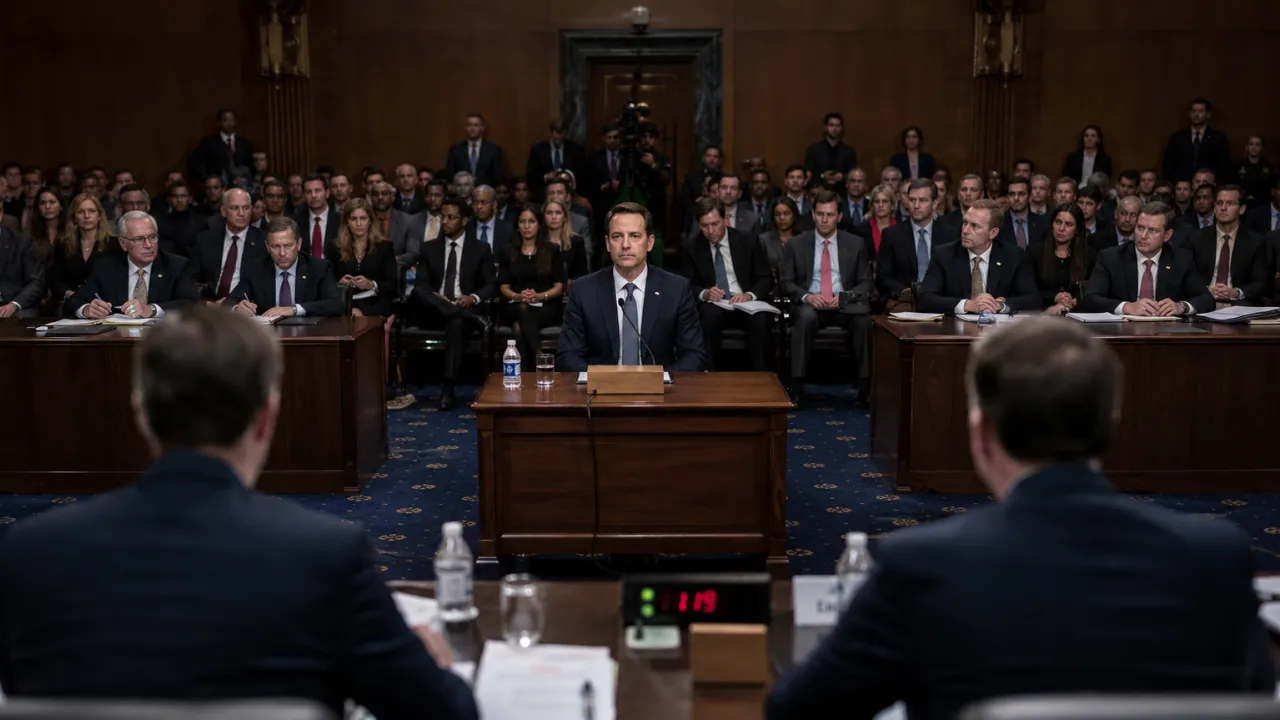
Musk versus OpenAI: the trial that judges whether artificial intelligence belongs to humanity
Elon Musk is claiming $150 billion and the soul of AI: the trial against Sam Altman will determine whether a nonprofit promise can survive the race for technological power — and who controls the artificial intelligence of tomorrow.


 +4

Iran proposes reopening Hormuz strait in exchange for end to US naval blockade
Iran has submitted a formal proposal: reopen the Strait of Hormuz if Washington lifts its naval blockade — while Trump declares Iran in 'state of collapse' and Merz accuses it of waging war without strategy.

 +13

King Charles III addresses U.S. Congress: transatlantic alliance 'cannot rest on past achievements'
Before a Congress in standing ovation, King Charles III reaffirmed the foundations of democracy—checks and balances, NATO, Ukraine—with the grace of a monarch and the precision of a political message directly addressed to Trump.


 +9

NATO Wounded by Trump: Merz Accuses Washington of Humiliation, Alliance Considers End to Annual Summits
German Chancellor Friedrich Merz has publicly stated that Iran humiliated the United States in their conflict, while NATO debates eliminating its annual summits and Russia and North Korea deepen their military cooperation. The transatlantic fracture is becoming institutionalized.

 +5

Iran-Strait of Hormuz: Tehran Plays Moscow Card While Trump Awaits a Phone Call
Facing military stalemate, Iran proposes reopening Hormuz in exchange for ending the U.S. blockade, while Foreign Minister Araghchi bypasses Pakistani mediation by visiting Putin. Trump responds that all Tehran needs to do is call. Europe grows impatient.

 +13

Ukraine: War Turns to Robotics as Kim Jong-un Opens Museum for Moscow's Fallen Soldiers
Zelensky orders 50,000 autonomous ground vehicles, strikes 24 fuel tanks in Russia, and directs development of intermediate-range drones with Norway — while Pyongyang inaugurates a memorial for its soldiers killed in Ukraine, formalizing its war alliance with Moscow.
+5
King Charles III's State Visit to the United States: The 'Special Relationship' Under Its Greatest Strain Since Suez
On April 27, 2026, King Charles III and Queen Camilla begin a four-day state visit to the United States despite a shooting at the previous evening's correspondents' dinner. The visit—which includes a state dinner at the White House, an address to Congress, and a wreath-laying at the 9/11 memorial—comes as the American-British relationship faces its gravest crisis since the Suez crisis in 1956, with Trump repeatedly criticizing Prime Minister Starmer for refusing to support the American war against Iran.
 +4

White House Correspondents' Dinner Shooting: Cole Allen Targeted Trump and Cabinet Members
On April 26, 2026, an armed man attempted to force his way into the annual White House Correspondents' Dinner in Washington, wounding a Secret Service agent and forcing Donald Trump and JD Vance to be evacuated. The suspect, Cole Tomas Allen, 31, a California tutor with a Caltech background, sent a manifesto to his family ten minutes before the attack, identifying himself as the 'Friendly Federal Assassin.' Authorities determined he targeted Trump and members of his administration.
+15
Pakistan Steps In as Mediator Between the US and Iran — Then Trump Cancels His Envoys
A second round of US-Iran talks was supposed to take place in Islamabad, with Pakistan hosting both sides as a neutral broker. Donald Trump abruptly cancelled the trip of Jared Kushner and Steve Witkoff, saying negotiations could happen by phone. Iran had already denied any direct meeting was planned. Pakistan's prime minister vowed to remain an 'honest and sincere facilitator.' The episode exposes the fractures in American diplomacy and the growing ambitions of Global South nations as conflict mediators.
+15
Netanyahu Orders Strikes on Hezbollah as Lebanon Ceasefire Collapses Within Hours
Less than 24 hours after Trump announced a three-week extension of the Israel-Lebanon ceasefire, Hezbollah fired projectiles into Israeli territory and Israel launched airstrikes on southern Lebanon, killing at least four people. Netanyahu accused Hezbollah of 'sabotaging' the peace process. Beirut called for the truce to hold. Lebanon finds itself trapped between Israeli pressure to disarm Hezbollah and the group's flat refusal to negotiate its own dismantlement.
 +7

Palestinians Vote for First Time Since Gaza War: Single Gaza City, No Electricity, and Ballot Boxes Under Tents
Around one million Palestinians head to the polls for fragmented municipal elections — in Gaza, voting takes place by candlelight in the sole city not invaded by the Israeli military.
+2Understand global stakes from every perspective.
718 subjects · 75 countries · 8174 perspectives