
DOMINANT ANGLE
Berlin is deciphering a high school student-led movement that is taking hold in the French political landscape: the German press sees it as less of a revolt against a particular decision and more of a general malaise, which the presidential campaign and the debacle of public finances are masking.
Dominant angle identified — does not reflect unanimity of this country’s media
KEY POINTS
- 01
More than 160,000 protesters according to the French police, 480,000 according to the organizers, on October 13 (Tagesschau).
- 02
214 high schools blocked according to the Ministry of Education; 90% of universities blocked or closed according to a student union, 35% according to the Ministry of Higher Education (Tagesschau).
- 03
Handelsblatt notes that the presidential campaign and the debate on the country's finances are increasingly overshadowing the protests, for the third consecutive week.
ANALYSIS
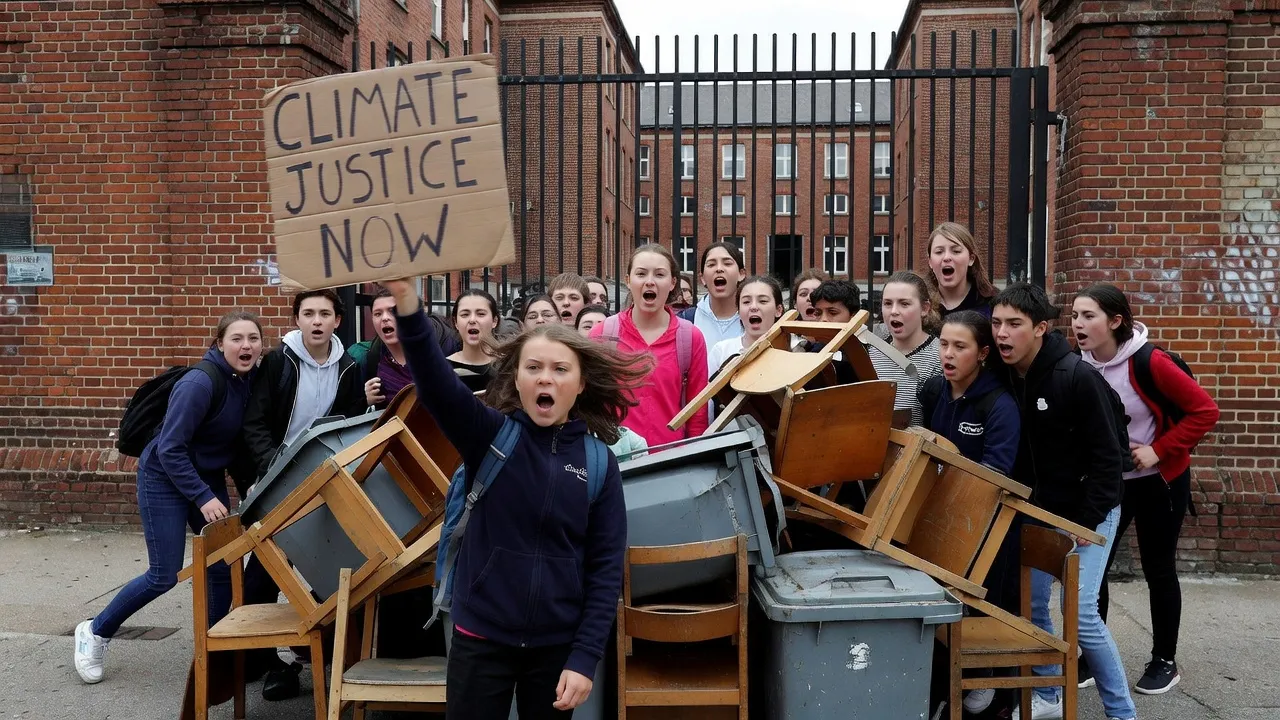
Berlin, October 14, 2026. For the Tagesschau, French high school students "are not giving up": on Tuesday, October 13, more than 160,000 young people took to the streets again, according to the police, and 480,000 according to the organizers. Their demands are known, writes the public channel: better learning conditions. The concessions from the political class seem too meager to them at this stage.
The text gives the figures from both camps without taking a stance. The Ministry of Education reports 214 blocked high schools and mentions that support is eroding, with only a few staff members having followed the call to strike. A student organization claims that 90% of universities are blocked or closed; the Ministry of Higher Education responds with 35%. Incidents are reported factually: tear gas in Nantes at the end of the gathering, intervention against a group of rioters dressed in black on the sidelines of the Lyon procession, which brought together around 11,000 people. In Paris, passersby applaud and buses honk in support of the students.
The partisan dimension is highlighted: Jean-Luc Mélenchon, La France Insoumise's presidential candidate, marched, and the French government reproaches his party for wanting to "instrumentalize" the protests, according to the Tagesschau.
The Handelsblatt, from Paris, adopts a more economic and sociological tone. This is the third consecutive week of mobilization; more than 200 establishments have remained closed and a third of universities have been disrupted. The newspaper notes that the movement had lost some of its strength, but the presidential campaign and the debate on the country's tense financial situation are increasingly "overlapping" the protests. Unlike previous waves, the anger is not targeting a specific government decision but the general situation: lack of teachers, cancelled classes, and sometimes classes of 36 students, according to a 17-year-old high school student in front of the Lycée Turgot. Teachers, the newspaper recalls, citing the OECD, earn an average of nearly 42,000 euros in France.
In total, the German reading is that of a neighboring country whose end of term is being played out in the streets as much as in Parliament, without the articles dwelling on the government's responses.