
DOMINANT ANGLE
Doha is examining the October 7 anniversary through the lens of Gaza: an October 2025 ceasefire that failed to halt the strikes, 74,000 dead and a territory in ruins.
Dominant angle identified — does not reflect unanimity of this country’s media
KEY POINTS
- 01
Since the October 2025 ceasefire, more than 1,400 Palestinians have been killed, or about four per day; the overall toll exceeds 74,000.
- 02
According to the Palestinian Central Bureau of Statistics, 82% of Gaza's buildings are destroyed or damaged, including 134,422 completely destroyed.
- 03
Al Jazeera recalls that nearly 1,200 people were killed on October 7, 2023, and 250 taken captive in Gaza.
ANALYSIS
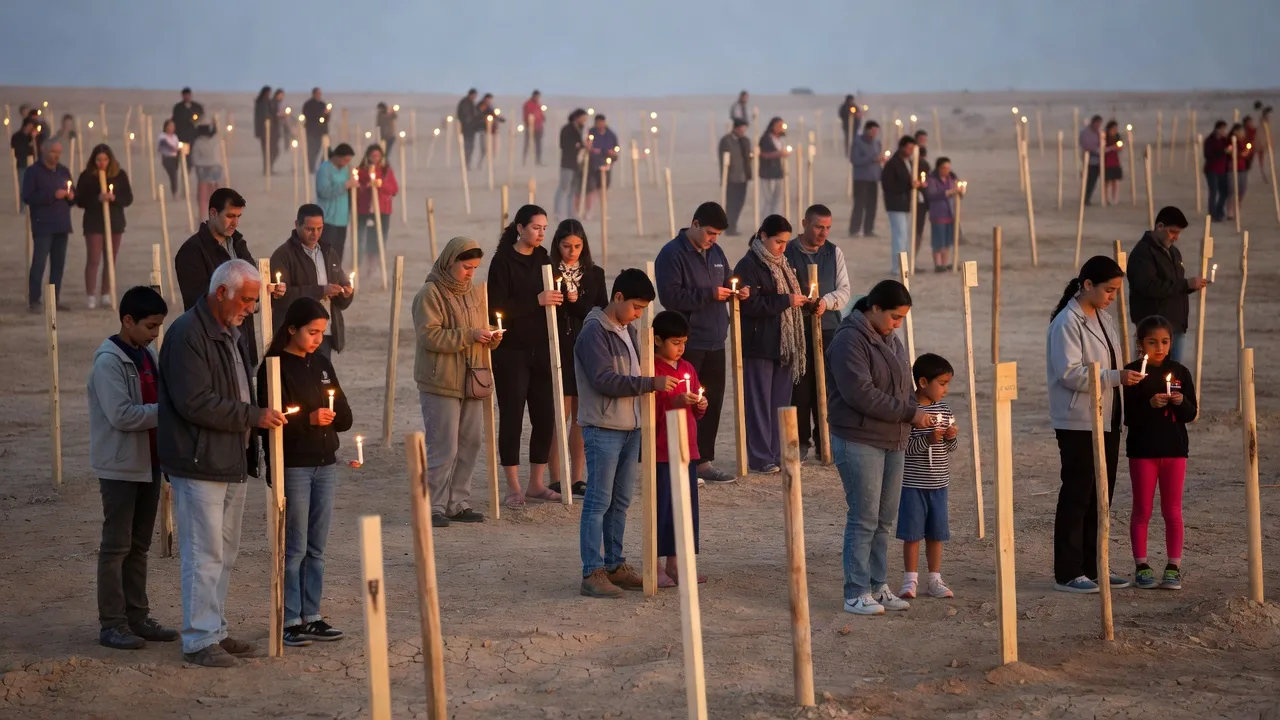
Doha, October 7, 2026. On the third anniversary of the October 7, 2023 attack, Qatari media is covering the event in two very uneven ways. Al Jazeera aired a short video report: Israelis gathered in front of memorials at the exact moment when the Hamas attack on border communities began. The channel recalled that "nearly 1,200 people" were killed in several locations and that 250 people were taken captive to Gaza. The tone is subdued, with no comment on the Israeli election campaign.
The main focus is elsewhere. Doha News published an analysis titled "Three years after October 7, Israeli expansionism continues unabated." The text starts with a fact: when the ceasefire was signed in October 2025, Israel controlled about 53% of Gaza, and it has taken advantage of the truce to expand its grip. The media notes that UN Secretary-General Antonio Guterres called this week for a permanent ceasefire, while a truce has already been in place for nearly a year.
The figures cited paint a human toll. Since the truce, more than 1,400 Palestinians have been killed, or about four per day; the total exceeds 74,000. According to the Palestinian Central Bureau of Statistics cited by Doha News, 82% of Gaza's buildings have been destroyed or damaged, including 134,422 completely destroyed. Images from Google Maps released at the end of September show, the author writes, a territory that resembles a demolition site.
The text also relies on the Israeli human rights organization B'Tselem, which speaks of the "deliberate devastation" of Gaza, including water and sanitation infrastructure. It describes displaced people living in tents, exposed to rats, scorpions, and diseases, and asserts, according to the UN, that essential aid, including vital medicines, remains restricted.
The Qatari reading is therefore that of an anniversary that closes nothing: the memory of Israeli victims is mentioned, but the dominant framework is the continuity of violence in Gaza and the gap between the word "ceasefire" and the daily reality of residents, under drones and bombardments.