
DOMINANT ANGLE
Berlin weighs in on the electoral terrain: three years after October 7, the German press is questioning Netanyahu's political survival and what he knew before the attack.
Dominant angle identified — does not reflect unanimity of this country’s media
KEY POINTS
- 01
According to ZEIT, the Prime Minister remains in office and is running again despite warnings received before the attack; a ceasefire has been in place in Gaza for nearly a year.
- 02
On Monday, October 5, during the official ceremony in Jerusalem, Yaakov Godo confronted Netanyahou: "You did not protect my son on October 7" (FAZ).
- 03
DW reports that nearly 400 of the more than 1,200 dead fell at the Nova festival and describes a mental health crisis in Israel.
ANALYSIS
Berlin, October 7, 2026. For the German press, the third anniversary of October 7 is first and foremost a political issue: why is Benyamin Netanyahou still in office? The news podcast of ZEIT, published on Wednesday, recalls that Islamist terrorists from Gaza killed around 1,200 people and took many hostages, "the largest massacre of Jews since the Shoah." It notes that a truce has been in place in Gaza for nearly a year, although attacks continue, and that, "despite being warned," the Prime Minister remains in office and is running in the upcoming election. The foreign policy editor Lea Frehse explains how he manages to do so and what place the attack occupies in the campaign.
The FAZ is interested in the same divide. Under the title "What did Netanyahou know before October 7?", it recalls that he was allegedly warned several times before the attack, and wonders if this helps the opposition. It reports on the official ceremony on Monday, October 5, in Jerusalem: during the Prime Minister's speech, Yaakov Godo stood up and shouted: "You did not protect my son on October 7," then spoke of "shame." The newspaper sees this as proof that October 7 remains in Israel "an open wound," especially for the families of the victims.
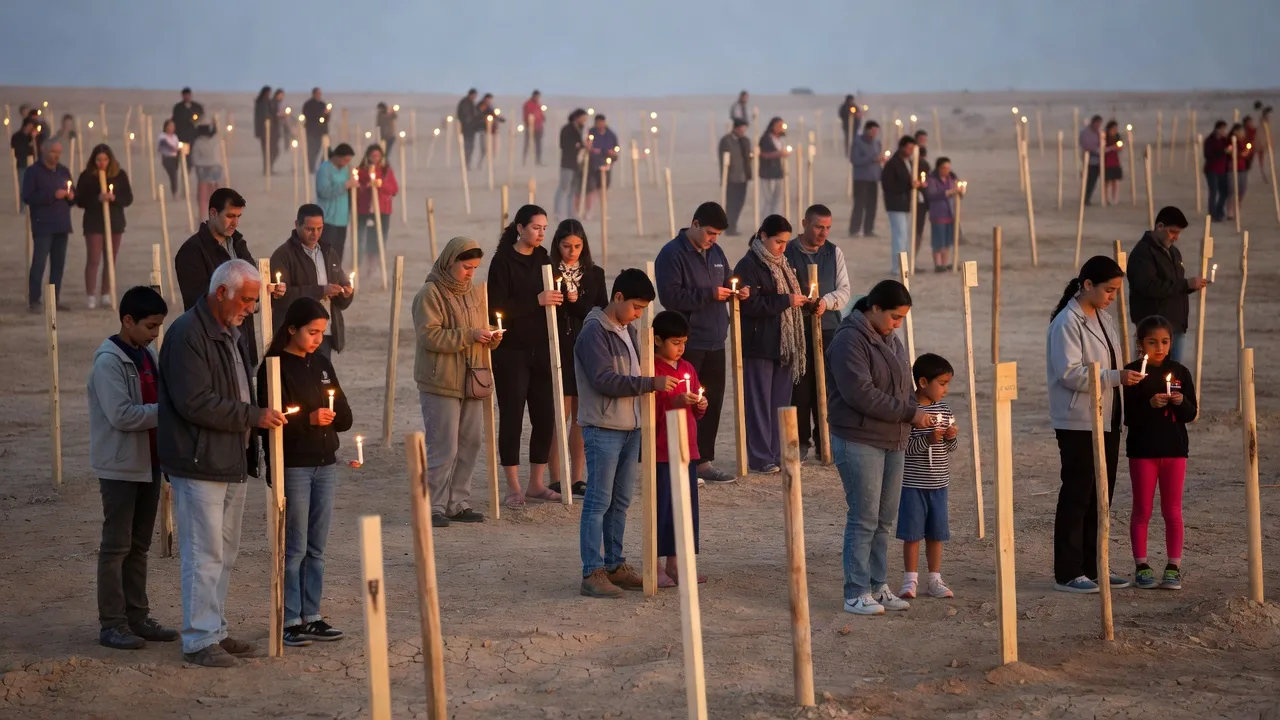
Deutsche Welle chooses the angle of trauma. Its report on October 5, titled "Israel's mental health in a state of emergency," follows Ronen Shalev, whose two children were at the Nova festival, where nearly 400 of the more than 1,200 dead were killed. His daughter survived; his son, shot and wounded, saw his partner die; his wife then took her own life. "We start to tremble," he says, because "it's not just a day, and then we move on to something else." The article's title claims that one in three Israelis is traumatized.
Gaza only appears in contrast: DW writes that the Israeli offensive killed "tens of thousands" of Palestinians and that a large part of the population has been displaced. The corpus does not detail the toll, the position of the federal government, or the refused state investigation. The focus remains on Israeli society and the responsibility of the head of government as the legislative elections approach.