
DOMINANT ANGLE
London recalls the human face of 7 October: through a devastated kibbutz and a diaspora reunited at dawn, the British press tells of three years of mourning and difficult reconstruction.
Dominant angle identified — does not reflect unanimity of this country’s media
KEY POINTS
- 01
According to the BBC, in Nir Oz, a kibbutz of 400 inhabitants near Gaza, one in four residents was killed or abducted on October 7, 2023.
- 02
Tamar and Yonatan Siman Tov were shot through the door of their bomb shelter, according to the BBC.
- 03
According to the Guardian, Israel's ambassador to Australia, Hillel Newman, wants to "reset" a relationship that has become "strained" with Canberra.
ANALYSIS
London, 7 October 2026. On the third anniversary of the Hamas attack, the British press prioritizes the accounts of survivors and communities over Israel's electoral calendar.
The BBC visits the kibbutz Nir Oz, approximately 1.6 km from the Gaza border, which had 400 residents. In the deserted dining hall, "birds now nest" among the ceiling tiles. Mailboxes bear stickers posted after the attack: red for the dead, black for hostages. "One in four of us: murdered or kidnapped," summarizes Dalit Ram Aharon, "including children and babies." With her husband Achi and their three children, she survived by staying near twelve hours in her shelter. The charred house of the Siman Tov family remains in its state: Tamar and Yonatan were shot through the door of their air raid shelter, designed against rockets, not small arms fire. Their three children, five-year-old twins and a two-year-old boy, are featured in the photograph displayed there. The report raises the question that residents are asking: how to rebuild.
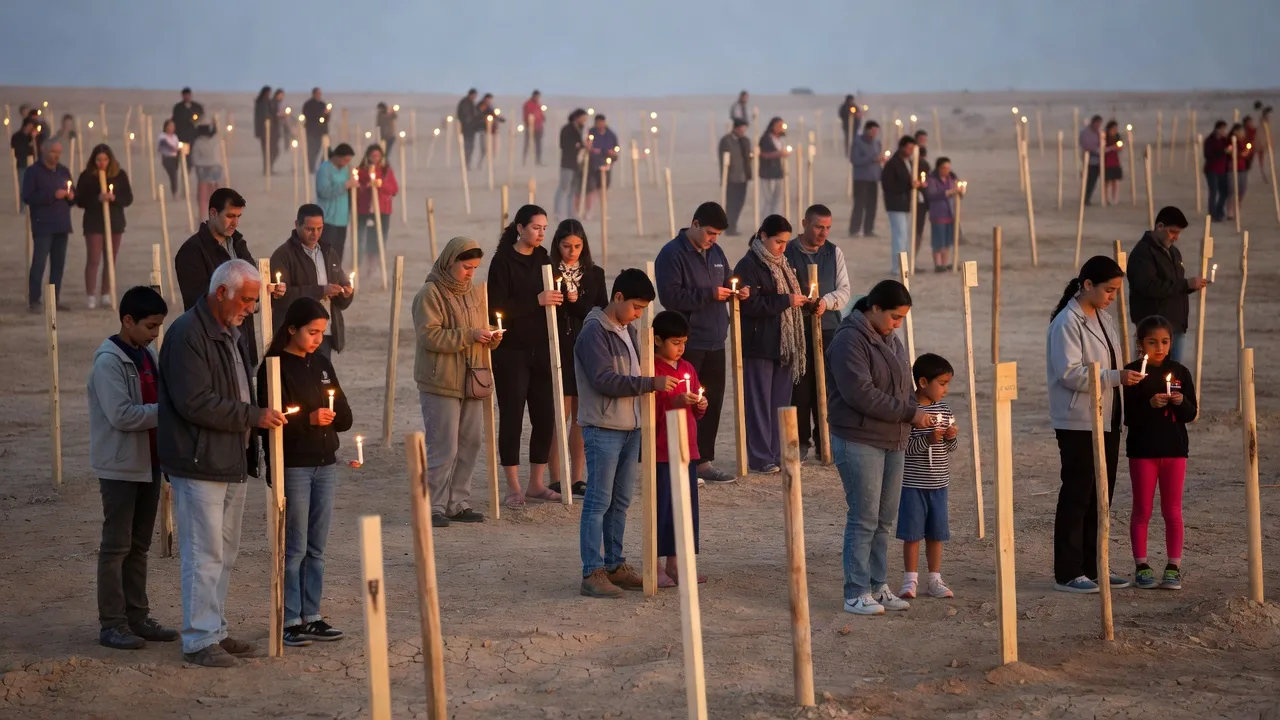
The Guardian shifts its gaze to Australia. On 7 October, hundreds of people gathered at Bondi Pavilion in Sydney at 6:29, the time the attack began. Israel's ambassador, Hillel Newman, stated that "the trauma of this day will stay with us forever" and that the past three years had revealed "deep-seated hatred" towards Israel and Jews. He acknowledged "tense" relations with Canberra and expressed a desire to "perhaps even reset the relationship" to return to a "traditional friendship". The director of StandWithUs Australia, Michael Gencher, links the date to the Bondi Beach massacre, which made hatred "more visible and more dangerous".
The newspaper also recalls another voice: before Wednesday's ceremonies, leaders of the Palestinian community in Australia called on the federal government to provide more assistance to the diaspora, which has been suffering since the war in Gaza.
In these two articles, Israeli politics, the 27 October legislative elections, and the inquiry commission rejected by Benjamin Netanyahu do not appear. The prism is that of memory, families, and the link between Israel and the diaspora.