
DOMINANT ANGLE
Singapore is examining the operation of Pope Francis under the medical angle: type of tumor, probable stage and prognosis, before any question of agenda or Church governance.
Dominant angle identified — does not reflect unanimity of this country’s media
KEY POINTS
- 01
Pope Leo XIV, 71, underwent a 90-minute operation on October 13 at Gemelli, with the removal of the lower lobe of the right lung, "without complications" according to the Vatican.
- 02
The operation confirmed a pulmonary adenocarcinoma; further tests are needed to determine if the cancer has spread and if chemotherapy or radiotherapy is necessary.
- 03
The pope's audiences are cancelled until October 20 and his eleven-day trip to South America, scheduled for November, is in question.
ANALYSIS
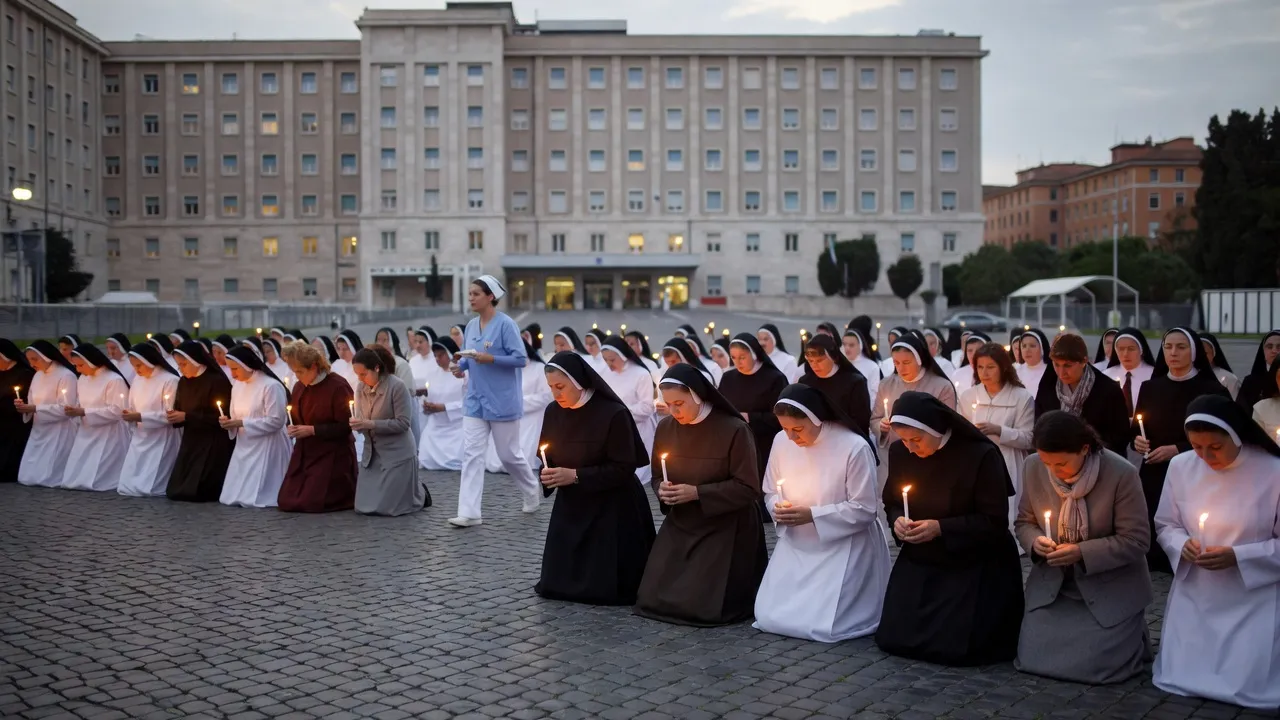
Singapour, 14 October 2026. Channel News Asia and the Straits Times are treating the operation of Pope Léon XIV as a medical case first and foremost. The two titles are reporting the Vatican's bulletin: the pope underwent an approximately 90-minute procedure on Tuesday, 13 October, for a total of three hours in the operating room at Rome's Gemelli hospital. "To make the procedure radical, the lower lobe of the right lung was removed," the Vatican indicates, according to CNA. The operation "confirmed the diagnosis of pulmonary adenocarcinoma, as suspected by preoperative exams," and took place "with success and without complications."
The Straits Times is providing details on the technique and its sources. Surgeon Stefano Margaritora, head of thoracic surgery at Gemelli, specifies that the lobe was removed using a video-assisted technique and that a rapid histological examination during the operation confirmed the diagnosis. The Singaporean daily is then relying on American specialists questioned by AFP: adenocarcinoma is the most common non-small cell lung cancer, and early detection offers much better chances of recovery. According to this account, further exams will determine if chemotherapy or radiotherapy is necessary, but surgery alone suggests a very early stage and a good prognosis.
CNA notes that a Vatican source mentions ongoing exams to determine if the cancer has spread. The pope woke up "normally" and asked to have dinner, according to this source. He had entered the hospital smiling and waving to the crowd. He is to remain in his tenth-floor room for several days; the Straits Times mentions approximately a week.
The schedule is only a secondary concern. His audiences have been cancelled until 20 October, and the operation "raises questions" about the planned eleven-day tour of South America in November, according to the two titles. The tone remains sober and factual, without commentary on the Church's governance during the convalescence. The fact that the 71-year-old pope had announced the discovery of the nodule himself is not developed in the articles in the corpus.