
DOMINANT ANGLE
Buenos Aires is particularly focused on the internal reckoning sparked by the setback: three judges appointed by Trump himself voted against his own administration, triggering unprecedented presidential fury against his own nominees.
Dominant angle identified — does not reflect unanimity of this country’s media
KEY POINTS
- 01
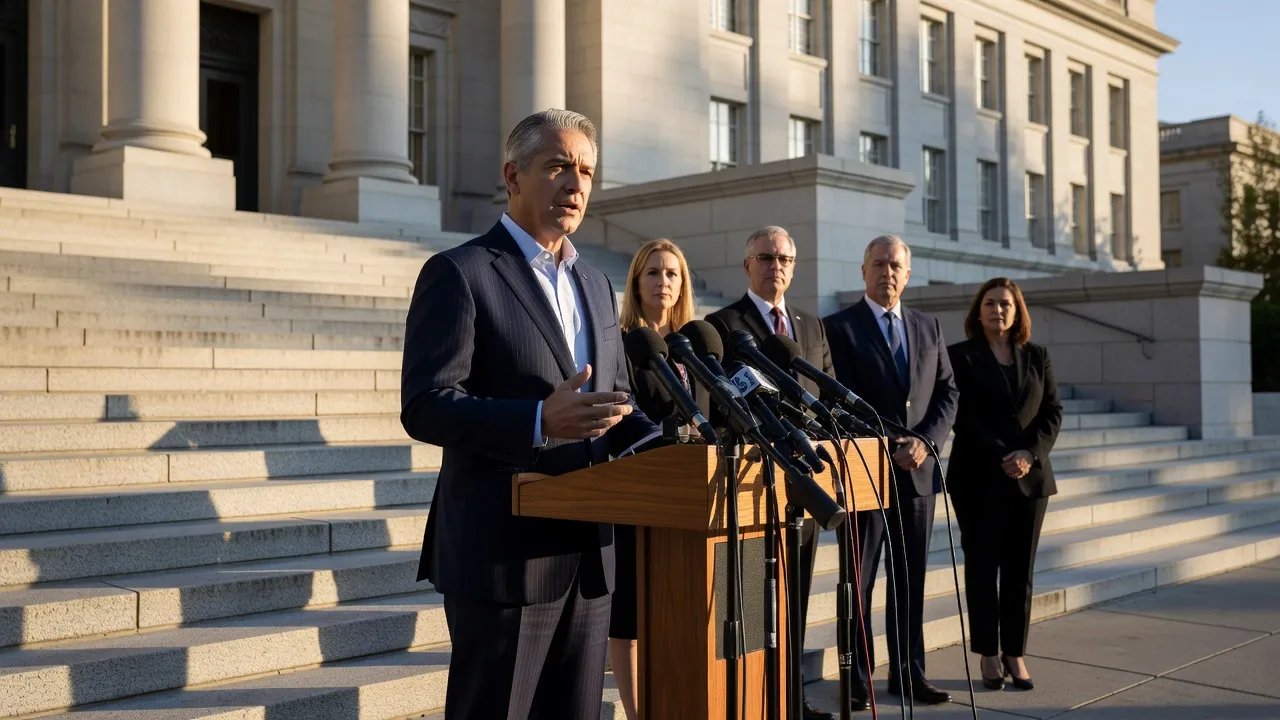
The Supreme Court rejected the Trump administration's attempt to have the postal service play a central role in mail-in voting on Monday evening, seven weeks before the November 3 midterms (Clarín).
- 02
Only Justices Clarence Thomas and Samuel Alito opposed the majority decision; three judges appointed by Trump during his first term — Amy Coney Barrett, Brett Kavanaugh, and Neil Gorsuch — voted to block his request (Perfil).
- 03
A whistleblower report cited by Clarín warned that the postal service's new requirements could prevent millions of mail-in ballots from being sent.
ANALYSIS
Buenos Aires, September 16, 2026. The Argentine press is primarily focusing on the domestic political implications of the setback inflicted on Donald Trump by the Supreme Court on Monday evening, rather than just the legal debate. Clarín emphasizes that the high court has "dispelled much of the uncertainty" that weighed on the preparations for the midterm elections, by rejecting the presidential attempt to have the postal service play a central role in determining who could receive an absentee ballot. The plan, resulting from a decree signed in March, required states to adopt a uniform envelope model and transmit the lists of eligible voters to an online portal still under construction; the postal service could have refused to deliver ballots to non-compliant states. A whistleblower report cited by Clarín warned that these requirements risked preventing the sending of millions of ballots, effectively depriving many voters of their right to vote in the middle of the election.
The decision is presented as "a victory for the status quo": the thousands of electoral offices in the country will be able to send ballots as planned, without submitting to new postal rules imposed at the last minute. California's Democratic Secretary of State, Shirley Weber, whose state sends an absentee ballot to every voter, welcomed the decision: "we can finally move forward and return to what we do best: running our elections without a dark cloud above us."
But it is above all the political fracture revealed by the vote that is holding Perfil's attention. The media reports that the defeat triggered "the president's fury" against three of the judges he himself appointed during his first term — Amy Coney Barrett, Brett Kavanaugh, and Neil Gorsuch — who supported the blocking of his request, while only Clarence Thomas and Samuel Alito opposed it. On his network, Trump wrote that these judges "are no more than the shadow of what they once were." Journalist Norman Powell, cited by Perfil, summarizes: "the Court estimated that it would be too late now for any change concerning absentee voting, since the elections are on November 3."








