
DOMINANT ANGLE
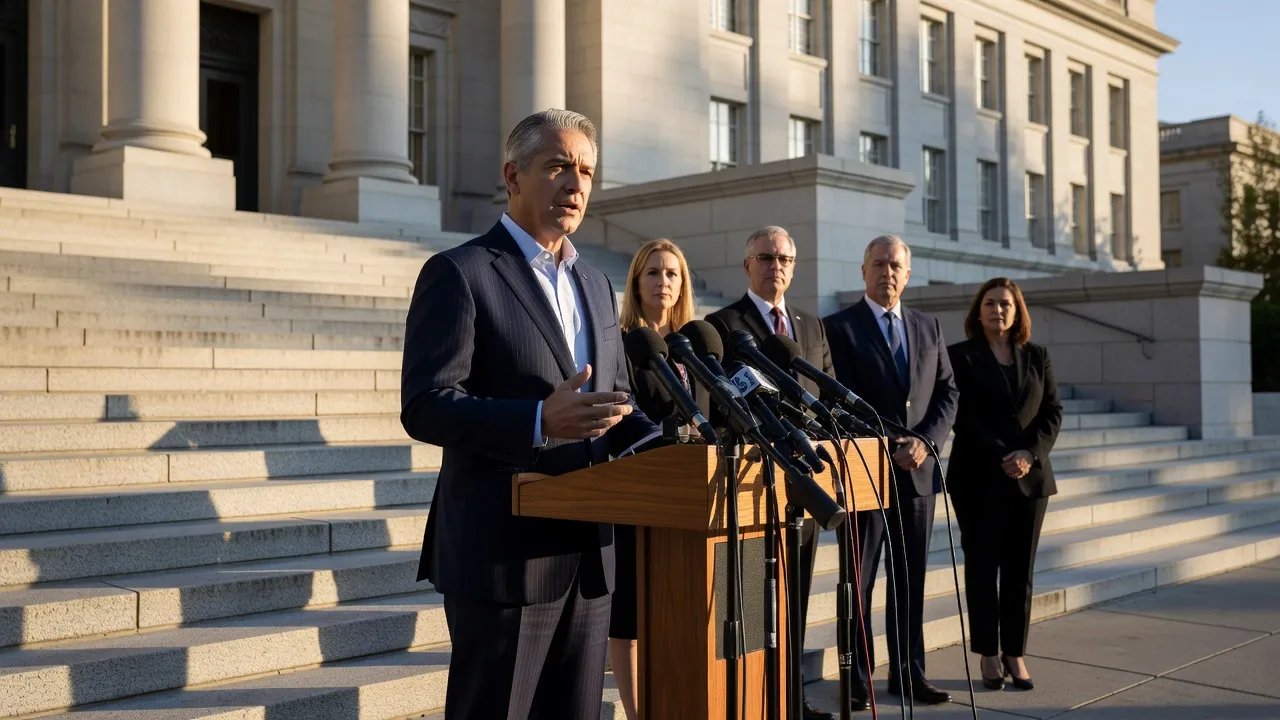
The United States government suffers a stinging political setback for the White House: seven weeks from the midterms, the Supreme Court, by a 7-2 vote, refuses to enforce Trump's new restrictions on mail-in voting, and Donald Trump denounces a "great defeat for Republicans".
Dominant angle identified — does not reflect unanimity of this country’s media
KEY POINTS
- 01
The Supreme Court rejected the Trump administration's emergency request by a 7-2 vote, ruling the government is "unlikely to succeed on the merits".
- 02
Judge Brett Kavanaugh wrote a concurring opinion stating that the rule may be within the legal authority of the USPS, but applying it as of 2026 would be "arbitrary and capricious"; Samuel Alito and Clarence Thomas expressed their dissent.
- 03
The appeal was brought by California Attorney General Rob Bonta and twenty-two Democratic counterparts; the Trump administration indicates it can introduce new rules for the 2028 election.
ANALYSIS
The United States government saw the Supreme Court reject, on Monday evening, by a 7-2 vote, the Trump administration's emergency request to enforce new restrictions on mail-in voting before the November 3 midterms. In the case of United States Postal Service vs. California, the nine judges left in place the order of a federal judge that blocks the plan, deemed "unlikely to succeed on the merits".
The White House's project required states to transmit to the USPS the list of their registered voters for mail-in voting, to adopt bar-coded envelopes and to have their models validated by the postal service before sending them. Carried by a presidential decree from March, this mechanism had already been suspended by federal judge Indira Talwani in Boston, a decision upheld by the 1st Circuit Court of Appeals on Thursday, September 10, and then by a second federal judge, Carl Nichols, in Washington, appointed by Trump himself.
Judge Brett Kavanaugh, appointed by Trump, wrote a nuanced concurring opinion, co-signed by Judge Ketanji Brown Jackson: he estimates that there is "a reasonable prospect" that the rule does indeed fall within the legal authority of the USPS, but that applying it as of 2026 would be "arbitrary and capricious", as local election officials would not have "enough time" to comply. Judges Samuel Alito and Clarence Thomas expressed their disagreement, judging that Congress has indeed empowered the postal agency to set these rules and describing as "sibylline" the arguments of harm put forward by the plaintiffs.
The appeal had been filed by California Attorney General Rob Bonta, joined by twenty-two Democratic counterparts, who feared "chaos and confusion" if the mechanism came into effect so close to the election. Bonta hailed a "victory for our democracy". The decision comes a week after another setback for Republicans before the same Court, on Missouri's electoral maps.
Donald Trump reacted on Tuesday on Truth Social, describing the decision as a "big loss for Republicans" and targeting his own appointees to the Court, describing them as "a mere shell of what they were". The administration indicates that it can submit new rules for the 2028 election.
SOURCES (5)
- CNBCMEDIUM
- LA Times WorldMEDIUM
- Fox News LatestMEDIUM
- AxiosMEDIUM
- VoxMEDIUM








