
DOMINANT ANGLE
Ottawa sees in this rejection a new episode in the showdown between Donald Trump and the Supreme Court, just a few weeks before an election that will decide control of Congress.
Dominant angle identified — does not reflect unanimity of this country’s media
KEY POINTS
- 01
The Court ruled that "the government is unlikely to succeed on the merits," leaving in place Judge Indira Talwani's injunction in Boston.
- 02
Judge Samuel Alito, joined by Clarence Thomas, dissented, comparing the plaintiffs' arguments to a "Hail Mary pass" and recalling the postal service's broad power over mail.
- 03
Restricting mail-in voting, used by nearly a third of the country, would favor Republicans, as Democratic voters use it disproportionately according to polls.
ANALYSIS
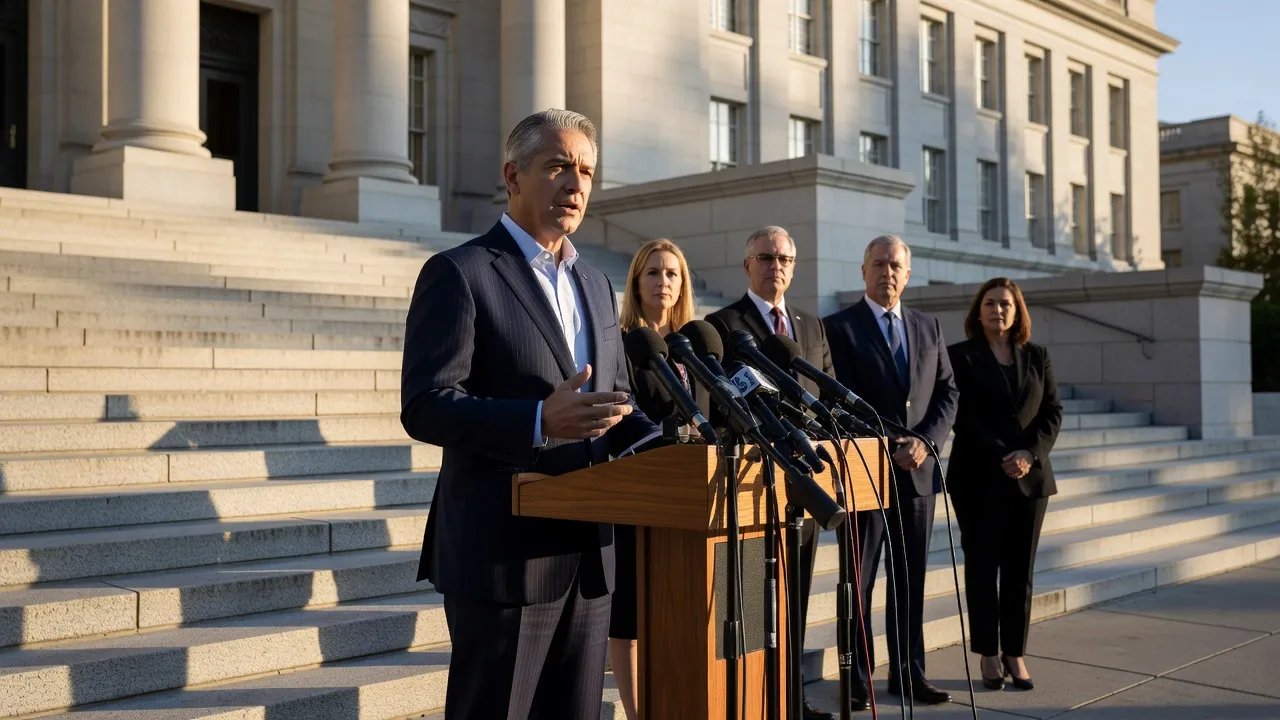
Ottawa, September 16, 2026. The US Supreme Court refused on Monday, September 14, 2026, in the late evening, to allow the postal service to apply the new rules of the Trump administration on mail-in voting, less than seven weeks before the November 3 midterm elections that will decide control of Congress. The judges left in place the order of federal judge Indira Talwani, in Boston, which blocks the measure as long as the appeals of states and voting rights advocacy groups are ongoing. In a brief one-paragraph order, the majority ruled that "the government has little chance of winning on the merits." The Court, with a 6-3 conservative majority, gave no other justification, as is customary on its emergency docket.
Judge Brett Kavanaugh, in a concurring opinion, estimated that the restrictions should not come into effect for this election, but could rule in favor of the administration if the case came back before the Court. Samuel Alito, joined by Clarence Thomas, dissented: comparing some of the plaintiffs' arguments to a "Hail Mary pass" unlikely to succeed, he recalled that "the postal service has broad power to regulate mail."
The administration's plan would have required states to transmit to the postal service the list of their registered voters for mail-in voting, adopt a uniform envelope format, and submit these lists to an online portal; the postal service could have refused to deliver ballots from non-compliant states. Election officials had deemed any overhaul unrealistic in the remaining weeks: Alabama, North Carolina, and Wisconsin were already sending out ballots before the decision.
Canadian media note the partisan stakes: restricting mail-in voting, used by nearly a third of the country, would favor Republicans, as Democratic voters use it disproportionately. On Tuesday, September 15, 2026, Donald Trump publicly attacked the Court, calling the unfavorable judges - including three of his own nominees - people who are "not the ones I interviewed," and hailing Alito and Thomas as "legends." He framed this episode within a broader list of judicial setbacks, also citing birth citizenship and tariff cases. The administration indicates it can come back with new rules for 2028.








