
DOMINANT ANGLE
Buenos Aires sees Pedro Sánchez's move as a last-minute gamble, where the housing crisis becomes the weapon of a leader weakened by corruption and a lack of majority.
Dominant angle identified — does not reflect unanimity of this country’s media
KEY POINTS
- 01
Sánchez has called for early elections on Sunday, November 29, instead of 2027, after his housing decrees were rejected by Congress (La Nación).
- 02
The BOE published the decree dissolving the Cortes on Tuesday, October 6: 350 deputies and 209 senators to be elected, a 15-day campaign, and chambers to convene on December 23 (Infobae/EFE).
- 03
Political scientist Oriol Bartomeus forecasts "left against right in its purest form"; Begoña Gómez will go on trial for embezzlement of public funds (El Cronista/FT).
ANALYSIS
Buenos Aires, October 6, 2026. The Argentine press approaches Pedro Sánchez's announcement first and foremost as a political gamble. In an analysis by the Financial Times, reprinted by El Cronista, the Spanish head of government is described as a "standard-bearer of the global left" and one of the few European leaders willing to confront Donald Trump, whose confidence abroad contrasts with his weakness at home: without a parliamentary majority, he struggles to set the agenda and pass laws, while corruption cases draw closer to him. The text cites his wife, Begoña Gómez, who will go on trial for embezzlement of public funds.
The daily presents the election as "a last attempt to rescue his mandate": Sánchez would turn the housing crisis into a weapon against the right. On Friday, October 2, the center-right parties blocked his package of housing reforms, and the Prime Minister sought to turn this parliamentary defeat into an advantage. Politologist Oriol Bartomeus, from the Autonomous University of Barcelona, predicts a confrontation between "representatives of the people" and "representatives of the rich": "It's left against right in its purest form."
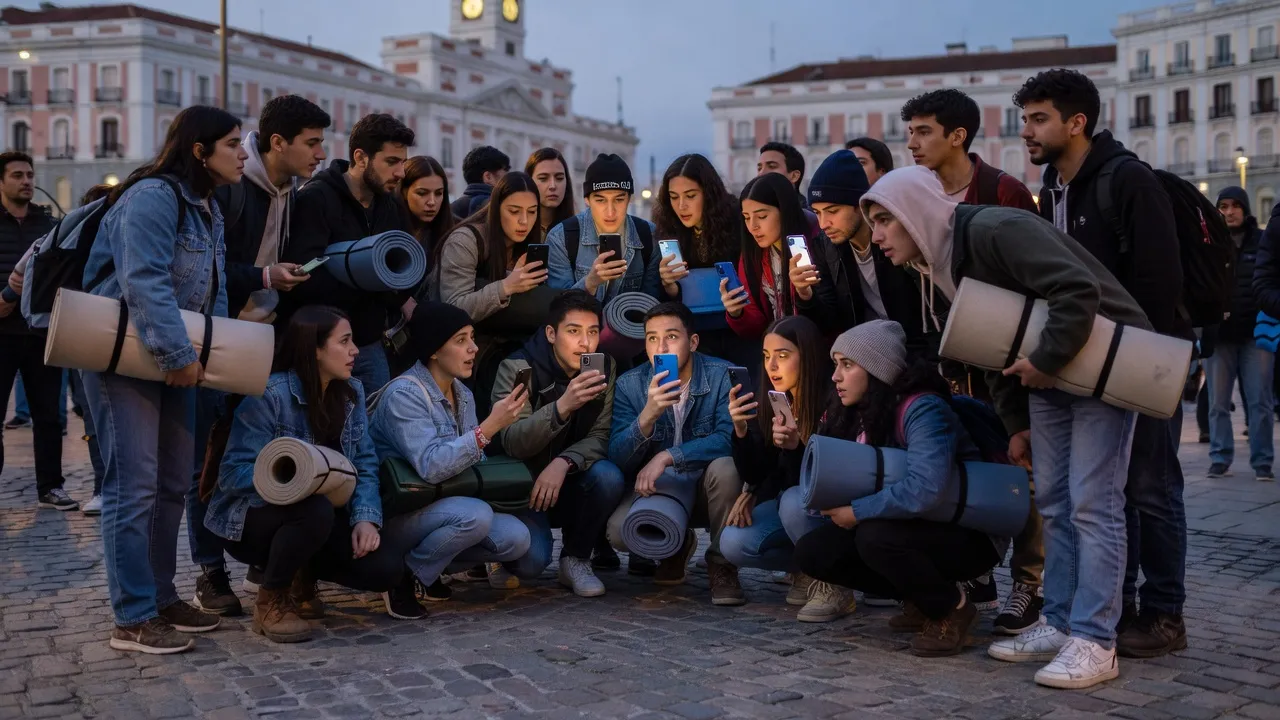
La Nación takes on a more educational tone. It explains that the institutional announcement on Monday, October 5, sets the vote for Sunday, November 29, 54 days after the publication of the decree, according to Article 42 of the electoral law. It attributes the advancement of the calendar, "in large part", to the housing crisis, the camps at the Puerta del Sol, and the rejection of the government's decrees by Congress, then details the dissolution of the Cortes and the role of the Diputaciones Permanentes to avoid any institutional vacuum.
Infobae, via an EFE dispatch, puts the episode into perspective: a legislature born from the elections of July 23, 2023, without an absolute majority, and marked by "strong political tension fueled by corruption cases". Sánchez had been invested with 179 votes against 171 thanks to a pact with Junts, including the amnesty of the leaders of the procés, which became the main factor of confrontation between the government and the opposition. On Tuesday, October 6, a second dispatch indicates that the BOE published the decree of dissolution: 350 deputies and 209 senators will be elected, the campaign will last fifteen days, and the chambers will meet on December 23, the eve of Nochebuena.
SOURCES (3)
- La NaciónMEDIUM
- El CronistaMEDIUM