
DOMINANT ANGLE
Ottawa is tempering Sánchez's audacity: the Canadian press presents this dissolution as a risky bet, a left-wing prime minister lagging in the polls who is playing for survival in the face of the rise of the far right.
Dominant angle identified — does not reflect unanimity of this country’s media
KEY POINTS
- 01
Sánchez called snap elections for November 29 on Monday, October 5, after his housing decrees were rejected by a fragmented Parliament.
- 02
He stated: "We must renew the support of citizens" and acknowledged errors and unfulfilled promises (CBC).
- 03
The Socialist Party is trailing in the polls, and a defeat would bring an end to one of the last left-wing governments in Europe (CBC).
ANALYSIS
Ottawa, October 6, 2026. The Canadian press, led by CBC News and the Globe and Mail, is portraying Pedro Sánchez's announcement as a risky bet. The 54-year-old Spanish Prime Minister called a snap election for November 29 on Monday, October 5, although the vote was initially scheduled to take place next year. He made the announcement in a televised address after the fragmented Parliament rejected his housing decrees on Friday, October 2, which included measures to combat evictions and real estate speculation.
CBC quotes his justification: "We need to renew the support of citizens," and the call to "win a much broader progressive majority" to overcome "special interests." The public broadcaster also notes that the leader acknowledged mistakes and unfulfilled promises, and that part of his social majority is now dissatisfied. It recalls that the Socialist Party is trailing in the polls, making this decision a gamble.
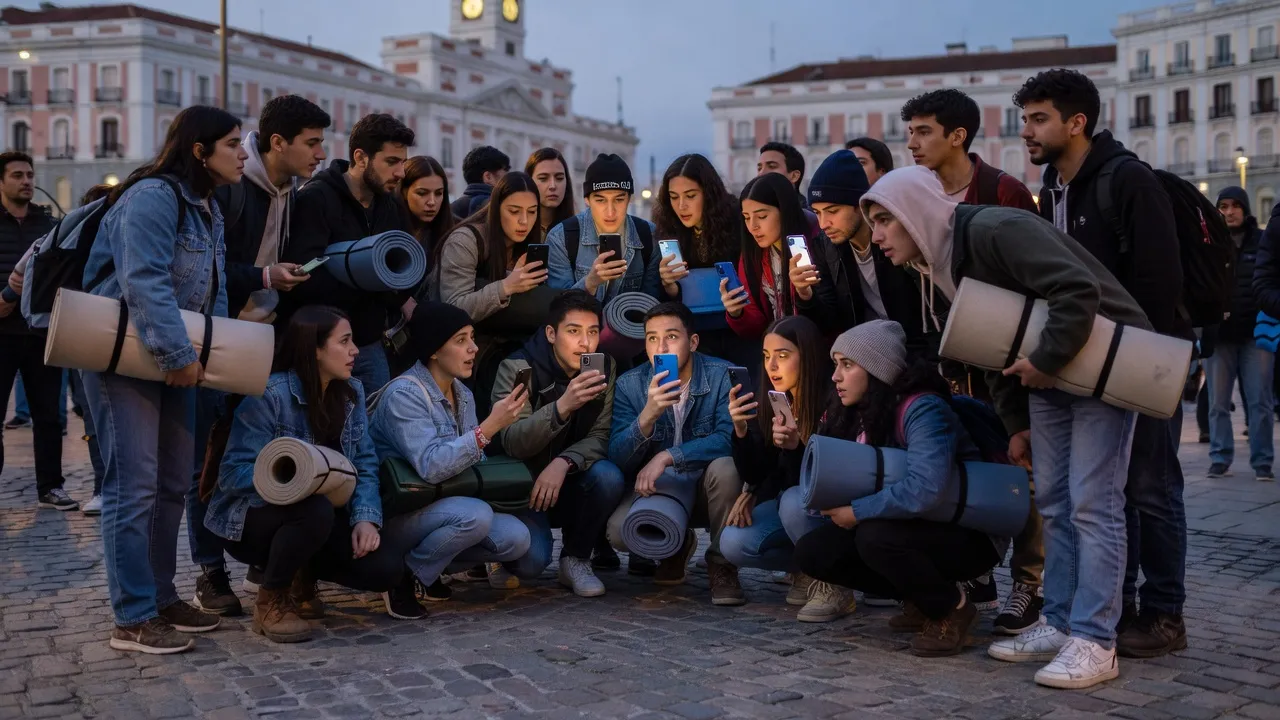
The Globe and Mail, following Reuters' lead, emphasizes the social origin of the crisis: protests in several cities, fueled by outrage after the televised eviction of an 87-year-old woman in Madrid last month. Right-wing parties joined forces to block the two emergency decrees, which fueled speculation about a snap election that the head of government could use to mobilize his base.
The ideological dimension takes center stage. According to the Globe, Sánchez presented the choice in stark terms: joining "this extreme right wave" or making Spain a "bastion of openness, social justice, and environmental responsibility." Both media outlets describe him as one of the leading international progressive leaders, at the forefront on Palestine, multilateralism, and criticism of "tech oligarchs," in power since 2018.
Finally, CBC weighs the internal fragility: socialist officials and the Prime Minister's wife, Begoña Gómez, are facing allegations of corruption, which Sánchez deems politically motivated. A defeat, the network writes, would mean the end of one of Europe's last left-wing governments, at a time when the far right is advancing unprecedentedly.