On 18 May 2026, Donald Trump posted a series of warnings on Truth Social threatening Iran with massive destruction unless a deal was reached quickly, summed up by the phrase "The Clock is Ticking." Shortly before, he had suspended an already planned military strike against Iran at the express request of the leaders of Qatar, Saudi Arabia and the United Arab Emirates, while keeping his forces on maximum alert.
The episode is part of a conflict open since the joint US-Israeli strikes of 28 February. A fragile ceasefire has been in place since early April, but the two sides have held only a single formal round of talks, in Islamabad, which ended in failure. Negotiations are stalling over the nuclear file and over financial terms.
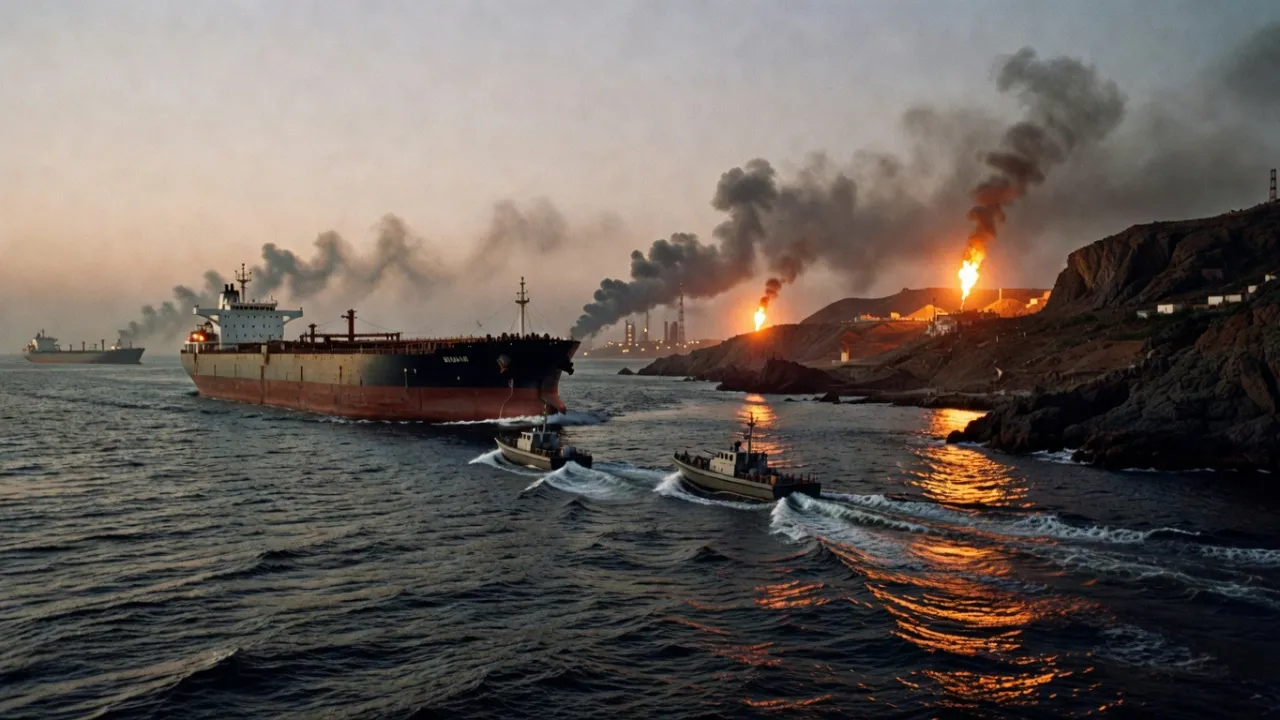
The stakes extend beyond the military standoff. Drone strikes hit the Barakah nuclear plant in the Emirates and Saudi airspace, causing no casualties and no radioactive emissions, but raising the risk of regional escalation. The Strait of Hormuz, through which 20 to 25 percent of global oil trade passes, has been disrupted: Brent crude rose above 111 dollars a barrel, feeding a global energy crisis.
The mediation secured by the Gulf monarchies marks a regional shift: these states now position themselves as arbiters between Washington and Tehran. The meaning of these facts, however, remains disputed. Washington makes any deal conditional on a near-total dismantling of Iran's nuclear program and the transfer of its enriched uranium; Tehran demands the lifting of sanctions, the release of its frozen assets and guarantees over Hormuz, and refuses to link an end to the conflict with nuclear concessions. Actors also diverge over who is responsible for the escalation and over how serious an Iranian fourteen-point counter-proposal is, which Washington deemed insufficient.