
DOMINANT ANGLE
Israel fears that the escalation between Saudi Arabia and the Houthis may cause the Yemeni movement to directly target its own territory once again, as was the case during the previous wave of attacks.
Dominant angle identified — does not reflect unanimity of this country’s media
KEY POINTS
- 01
Diplomatic officials told Maariv that the escalation between Riyadh and the Houthis raises fears of a resumption of direct fire against the country, as during the previous wave of attacks.
- 02
Saudi Arabia confirmed that a Houthi ballistic missile targeting Riyadh was intercepted by its air defense, a first since the start of the current escalation.
- 03
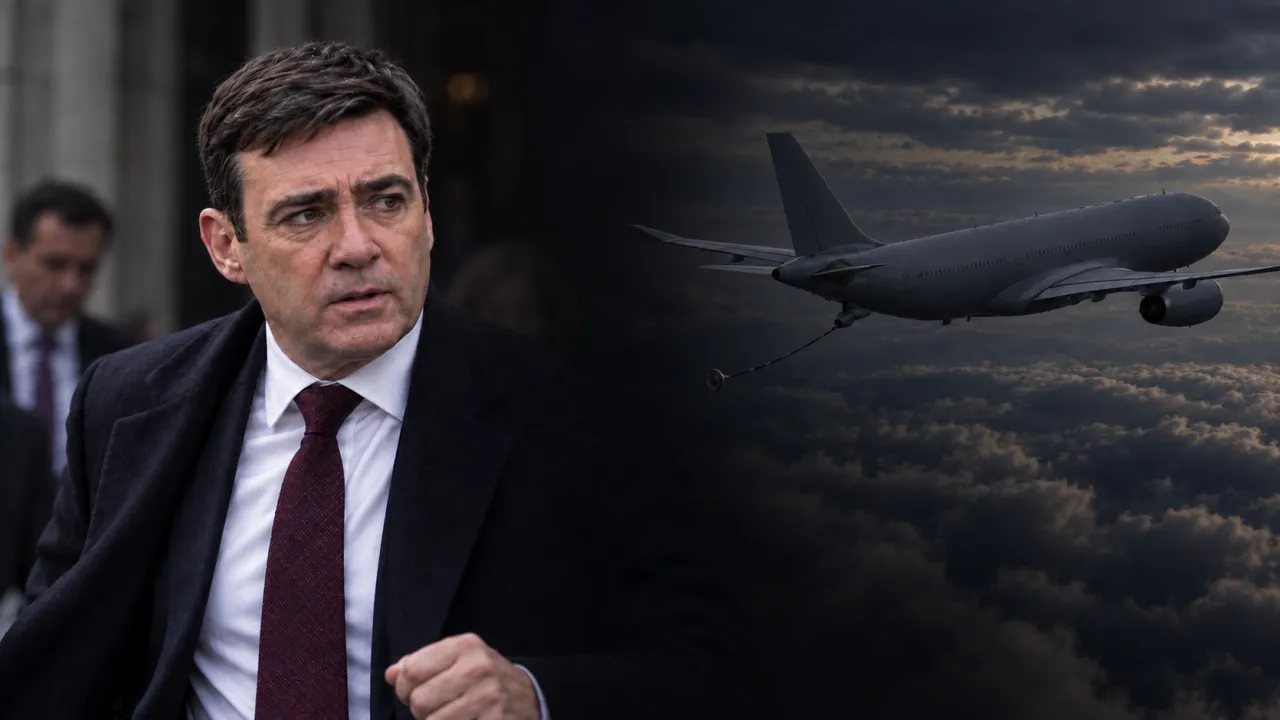
British Prime Minister Andy Burnham announced limited defensive air-to-air refueling support, limited in time, to Saudi aircraft engaged against the Houthis.
ANALYSIS
Jérusalem, September 22, 2026. In Jérusalem, the question posed by the escalation between Saudi Arabia and the Houthis goes beyond the fate of Riyadh: it affects the very security of Israeli territory. According to diplomatic officials cited Tuesday by Maariv, the dominant fear is that the confrontation, if it continues to intensify, will push the Iran-backed Yemeni movement to resume its direct fire against Israel, "as it did last year". These sources specify that the central question remains whether the situation can be controlled or if the escalation will continue.
The most concrete sign of this drift came from Riyadh itself: Saudi Arabia confirmed that a Houthi ballistic missile targeting its capital had been intercepted by its air defense, a first since the beginning of the current escalation wave. Residents reported an explosion and smoke near the airport. In response, the US State Department updated its security instructions for its citizens in the Middle East, and the US Embassy in Israel issued an alert mentioning possible air disruptions and airspace closures, while specifying that these expanded warnings do not necessarily signal an imminent development.
On the military front, the Israeli press relays information from the New York Times that Donald Trump had ordered the Pentagon to prepare strikes against the Houthis after pressure from Crown Prince Mohammed bin Salman, before backing down on Sunday, as American planes were already loaded. Washington remains the great absentee of concrete commitments: no direct promise to defend the kingdom has been made, leaving the United Kingdom to fill part of the void. British Prime Minister Andy Burnham announced limited-time defensive air supply support to Saudi planes.
On the sidelines of the UN General Assembly, the G7 foreign ministers condemned "in the strongest terms" the Houthi attacks against Saudi Arabia and demanded that Iran cease delivering arms to the movement, denouncing a dynamic threatening international trade.
SOURCES (3)
- Jerusalem PostMEDIUM
- Arutz ShevaMEDIUM
- Haaretz EnglishMEDIUM