
DOMINANT ANGLE
The United States is calculating its withdrawal: Trump has ruled out strikes against the Houthis despite repeated calls from the Saudi crown prince, preferring to limit its military engagement while London provides in-flight refueling for Riyadh's fighters.
Dominant angle identified — does not reflect unanimity of this country’s media
KEY POINTS
- 01
Crown Prince Mohammed bin Salman called Trump twice in the same day to request strikes; Trump refused and only agreed to provide intelligence and targeting data (Axios)
- 02
Admiral Brad Cooper, commander of CENTCOM, prepared strike options and presented them to Defense Secretary Pete Hegseth on Saturday, before Trump backed down (Axios)
- 03
Houthi official Mohamed al-Bukhaiti assured AP that his movement is not targeting "either the US or any other nation" in the Bab el-Mandeb Strait, with the exception of Saudi Arabia (HuffPost World)
ANALYSIS
The United States government, facing the Houthi campaign against Saudi Arabia, has chosen restraint over direct intervention, a position that leaves the field open to London to refuel Saudi fighter jets in flight.
According to Axios, President Donald Trump considered, over the weekend, a strike against the Houthis before backing down. Ten days earlier, Crown Prince Mohammed bin Salman had called him twice in the same day to pressure him to act, as the Iran-backed group approached a strategic Red Sea crossing point. Trump had then refused, agreeing only to provide intelligence and targeting data. However, last weekend, Riyadh, struggling against Houthi advances, again requested American military action: the commander of Central Command (CENTCOM), Admiral Brad Cooper, prepared strike options and presented them to Defense Secretary Pete Hegseth on Saturday. Trump ultimately chose to temporize, citing, according to an official, the desire not to "open a Pandora's box".
This caution is also explained by the guarantees obtained from the rebels themselves. A Houthi official, Mohamed al-Bukhaiti, assured the AP that his movement does not target "the United States or any other nation" in the Bab el-Mandeb Strait, with the sole exception of the "Saudi enemy". Indirect contacts were held via Oman, mediator of the 2025 ceasefire that had ended a campaign of American bombings against the rebels. "The Houthis called us, they don't want to fight us," Trump summarized.
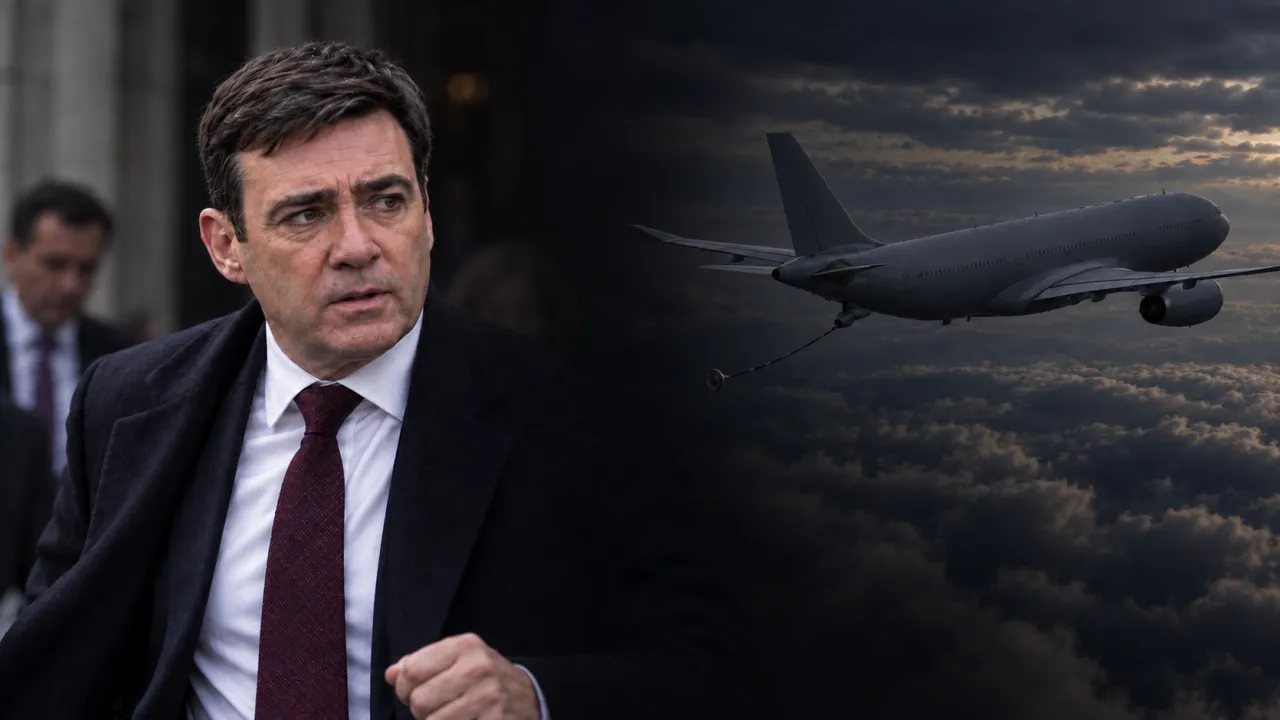
Meanwhile, London is moving forward: British Prime Minister Andy Burnham confirmed that RAF Voyager tanker planes will support Saudi fighter jets in missions deemed defensive, for several weeks.
The economic stakes weigh just as heavily on the American calculation. The closure of the Saudi East-West oil pipeline threatens to dry up Asia's supply, with South Korea being the most exposed, with 34.1% of its crude oil imports coming from the kingdom. Washington is also negotiating the controversial sale of 48 F-35s to Riyadh, notified to Congress on September 17, a file complicated by Israeli and Chinese concerns.
SOURCES (6)
- CNBCMEDIUM
- BloombergMEDIUM
- HuffPost WorldMEDIUM
- AxiosMEDIUM
- Bloomberg PoliticsMEDIUM
- ABC News WorldMEDIUM