
DOMINANT ANGLE
Rome is particularly focused on the transatlantic contrast: the American withdrawal in the face of Saudi appeals, more than the G7's collective statement on Iran.
Dominant angle identified — does not reflect unanimity of this country’s media
KEY POINTS
- 01
Trump withdrew the order to strike the Houthis on Sunday, after the president's early return from Camp David, while the list of targets had already been validated (ANSA)
- 02
The US State Department approved the potential sale of 48 F-35s to Saudi Arabia on September 17 for approximately $24.3 billion (Panorama)
- 03
La Repubblica highlights that only the United Kingdom has responded to Saudi calls, while the UN reports an increase in civilian casualties and 130,000 displaced people
ANALYSIS
Rome, September 22, 2026. The Italian press is highlighting a transatlantic contrast rather than the G7's collective statement. According to La Repubblica, while President Donald Trump withdrew the order to bomb the Houthis on Sunday, despite repeated calls from Saudi Crown Prince Mohammed bin Salman, "soltanto Londra tende una mano ai sauditi" - only London is extending a hand to the Saudis. The newspaper emphasizes that Washington "non vuole farsi coinvolgere nel conflitto yemenita", while the UN is sounding the alarm over the increase in civilian casualties and the displacement of 130,000 people.
ANSA is detailing the mechanics of the American about-face: the fighter jets were ready, the list of targets had been validated, and the strikes were on the verge of beginning. Then, according to "le ricostruzioni del New York Times" as reported by the agency, the White House reversed course after the president's early return from Camp David. The crown prince had made numerous calls over two weeks; even a conversation with Yemeni President Rashad al-Alimi failed to extract any promise of military support. Trump justified the reversal by claiming to be in direct talks with the rebels: "Parliamo con gli houthi", stressing that the movement had committed to not targeting American interests. The White House advisors, concerned about opening a new front ahead of the midterm elections, are said to have weighed in on the decision.
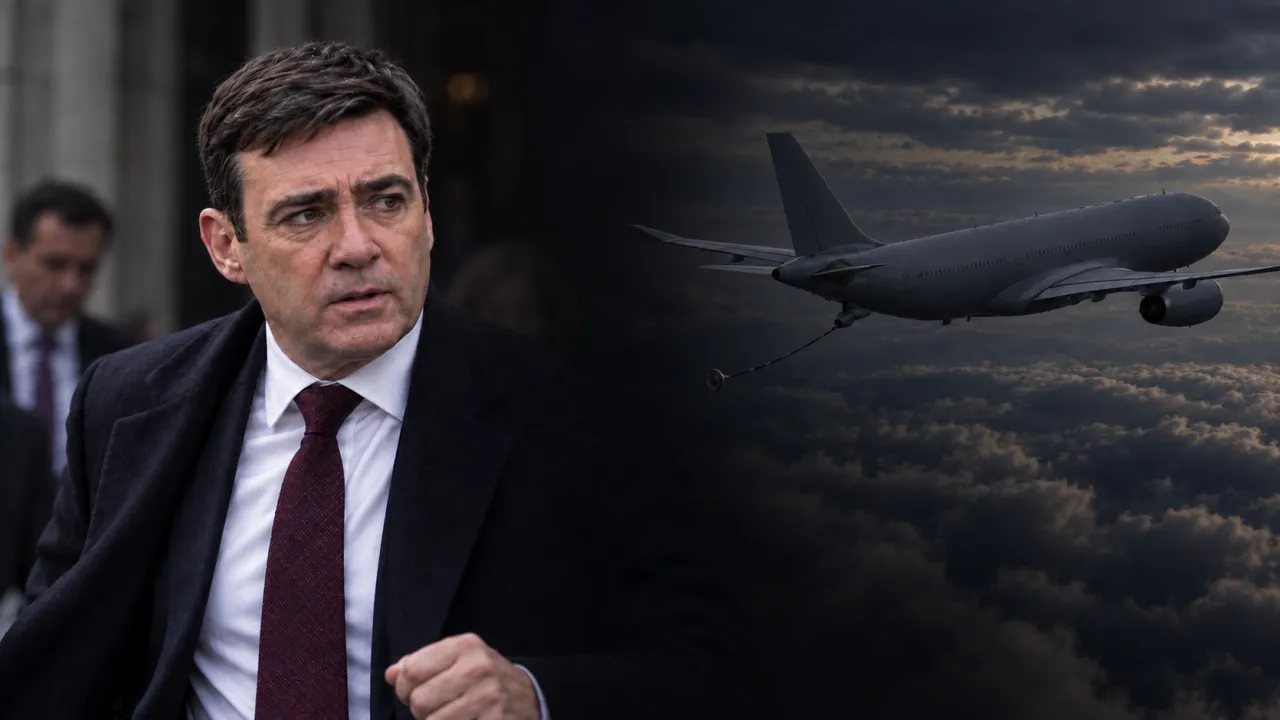
This American withdrawal is being compared in the Italian press to another closely watched issue: Panorama recalls that the State Department approved the potential sale of 48 F-35 aircraft to Saudi Arabia on September 17, for an estimated $24.3 billion. The agreement, still subject to Congressional approval, would break with the American rule of preserving Israel's qualitative military advantage in the region - a precedent that Rome is watching closely, as Riyadh faces a Houthi campaign backed by Iran and Western engagement remains fragmented between Washington, which is being cautious, and London, which is taking a solo stance. The British surge in air refueling is thus being seen in Rome less as an isolated military choice than as a symptom of the void left by American hesitation, just a few weeks ahead of midterm elections deemed crucial for Trump.